23rd blog – date: November, 28th 2025
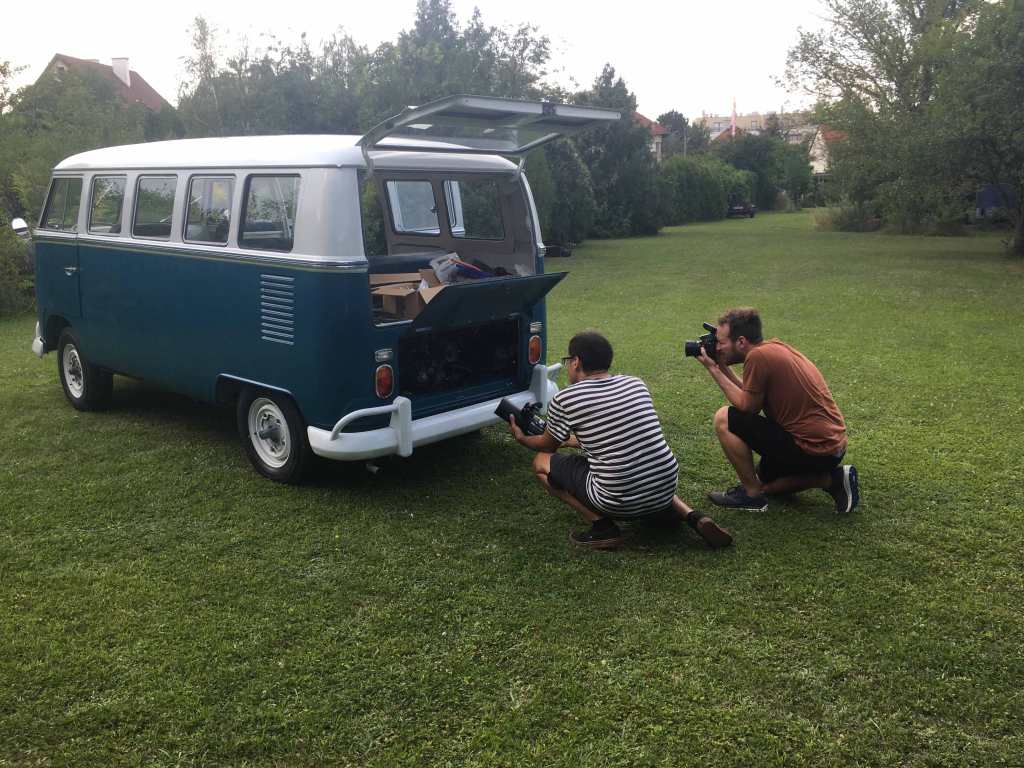
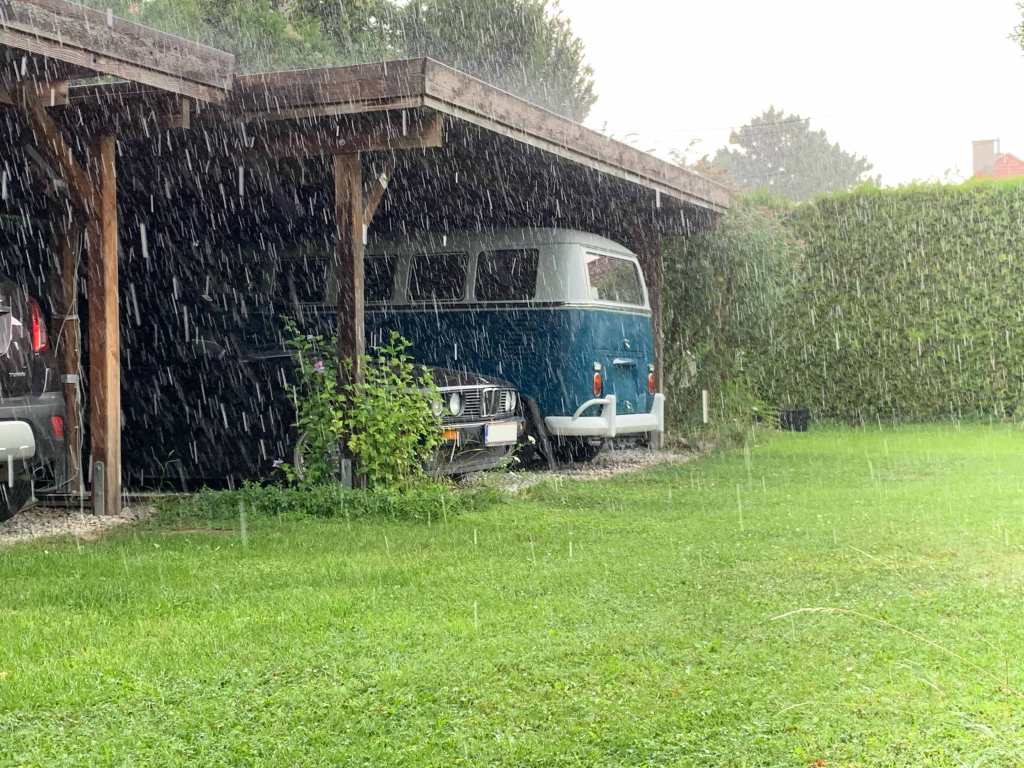
In August 2020, we had visit by a photographer. He took photos of our bus for an interview in the official Volkswagen magazine. We were lucky and he had already taken enough photos before it started pouring rain and we quickly moved the bus under cover.
That same month, we continued working on the new headliner for our Split Bus, a truly tedious task. But with plenty of time and patience, it slowly took shape. We were able to smooth out various wrinkles in the headliner fabric using a heat gun.
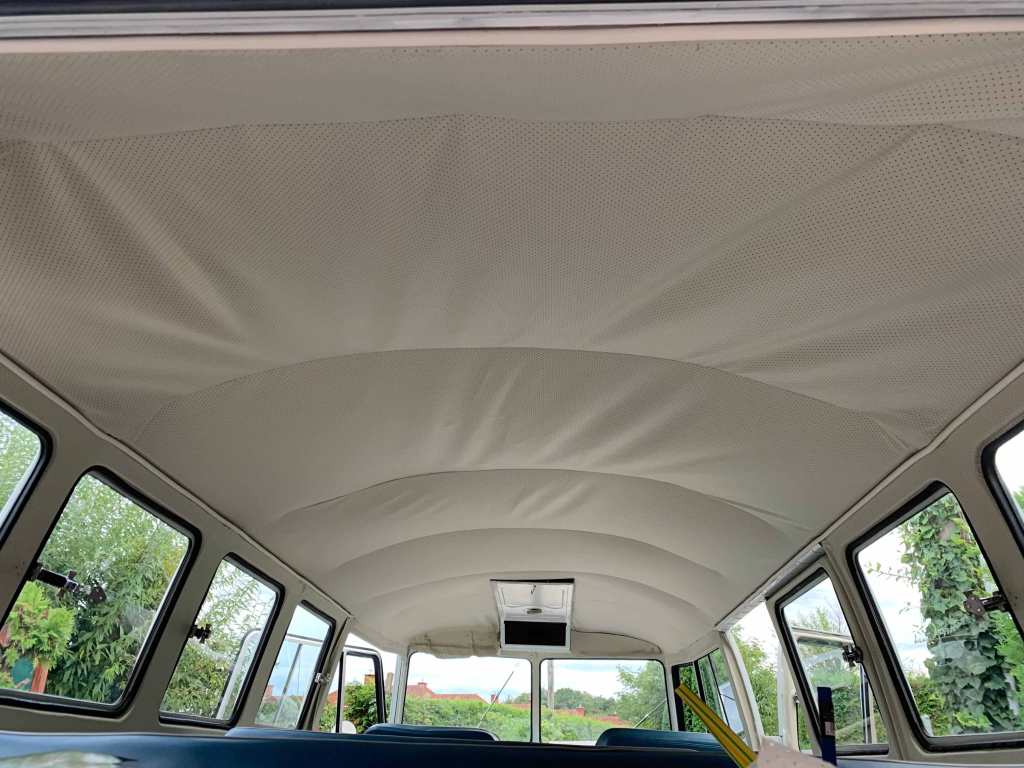
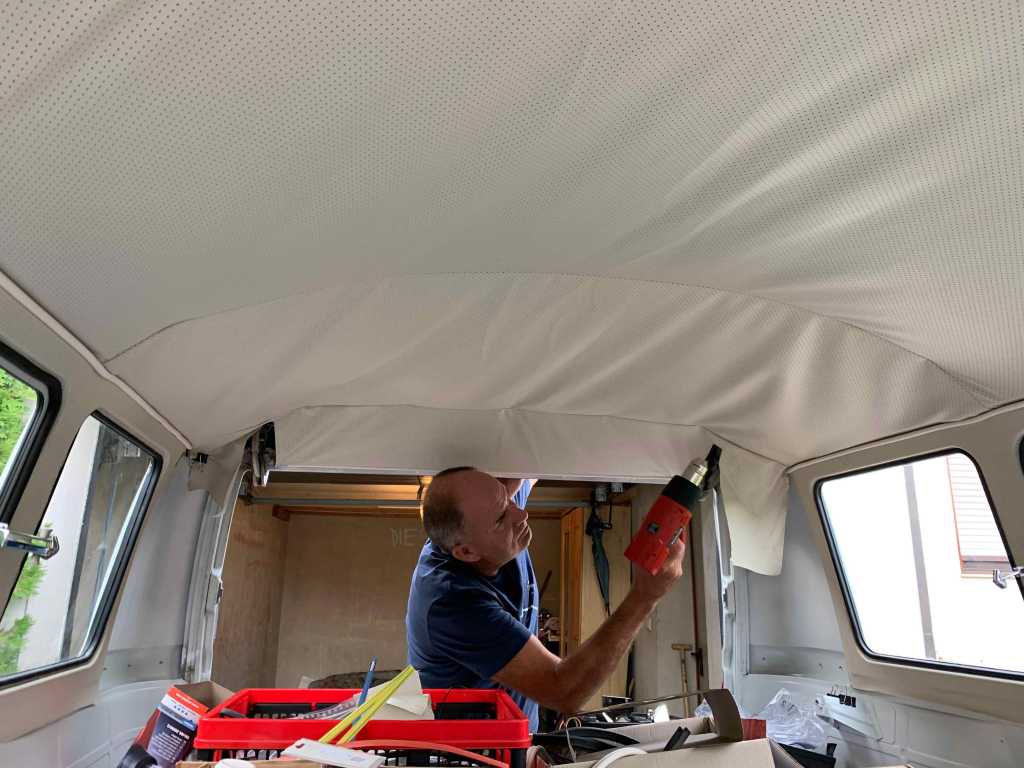
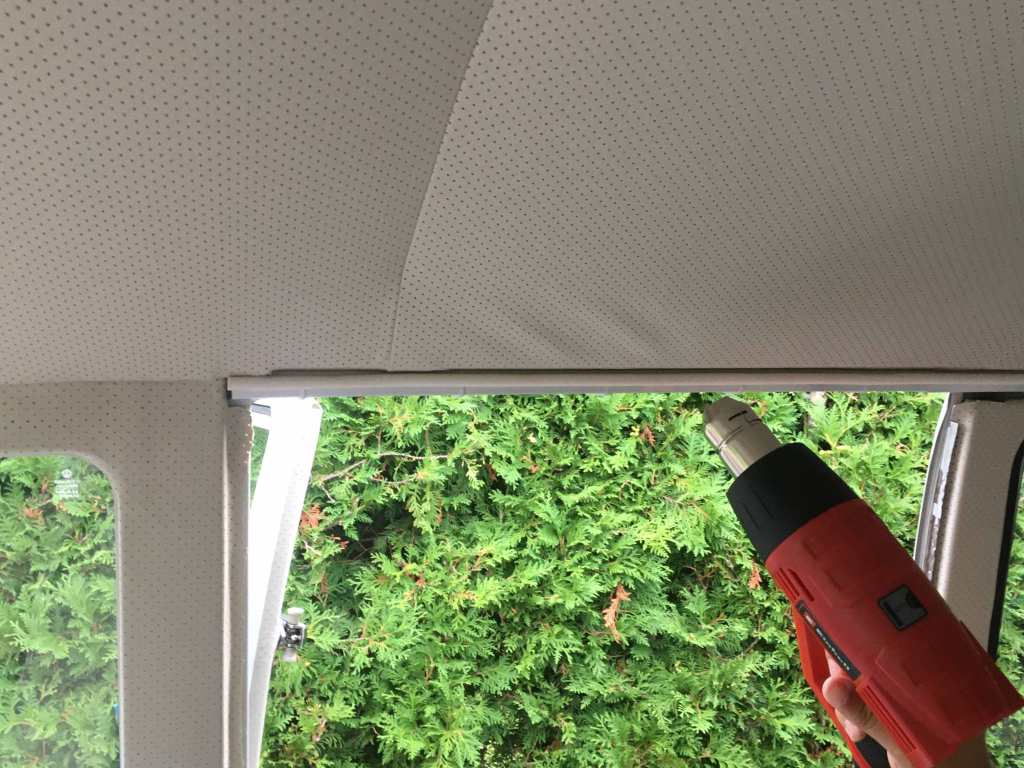
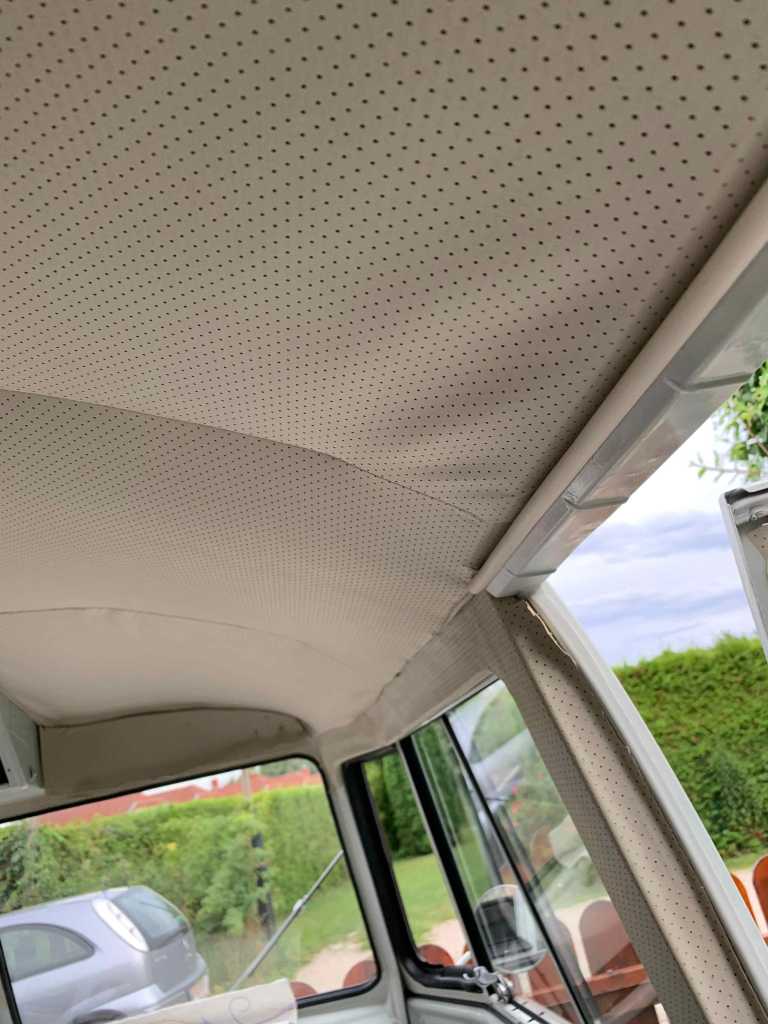
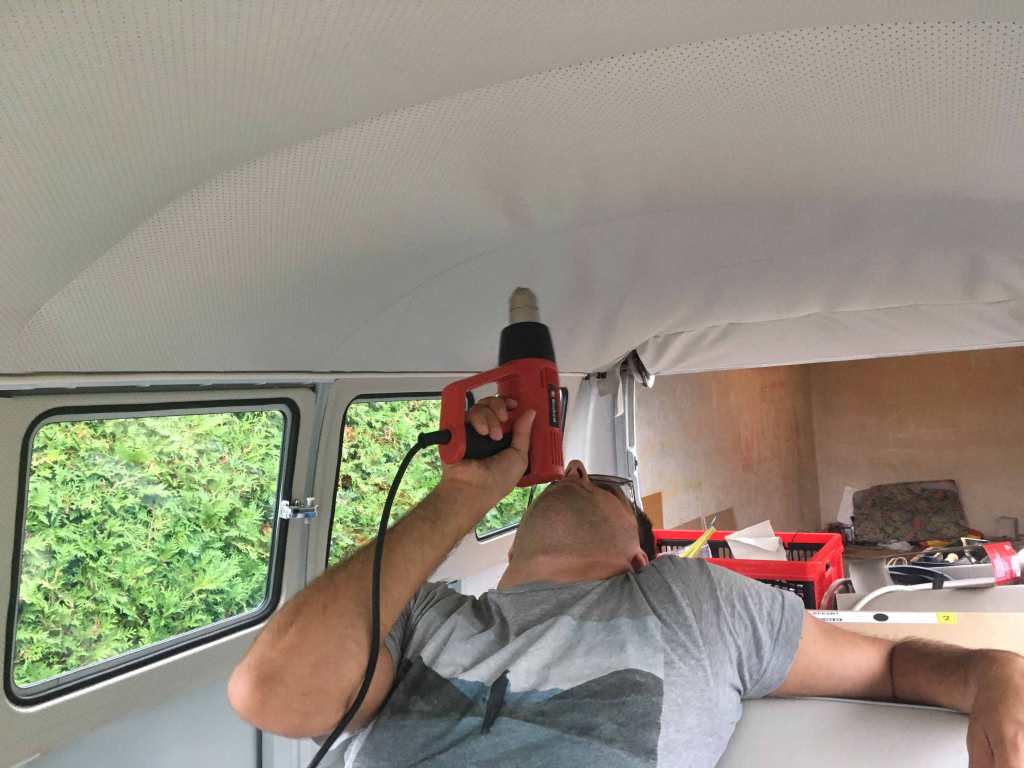
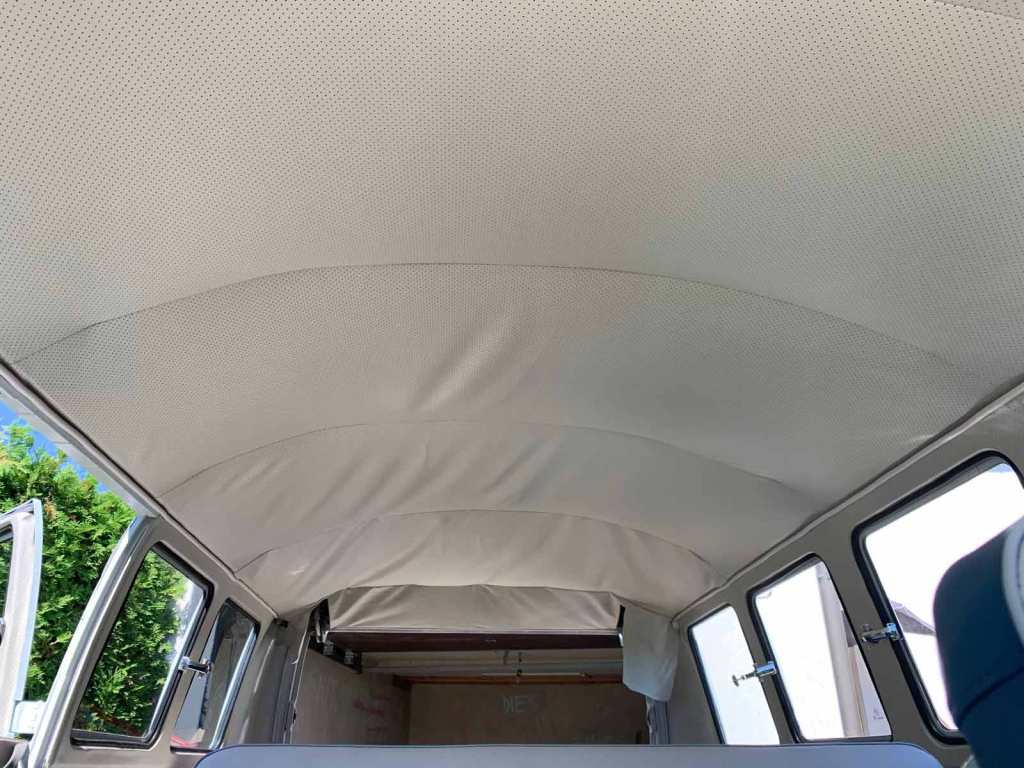
As you can see in the photos, the sky still wasn’t finished. Since it was a tedious job, we only tackled it bit by bit. In future blog posts, I’ll try to show a photo of the finished result.
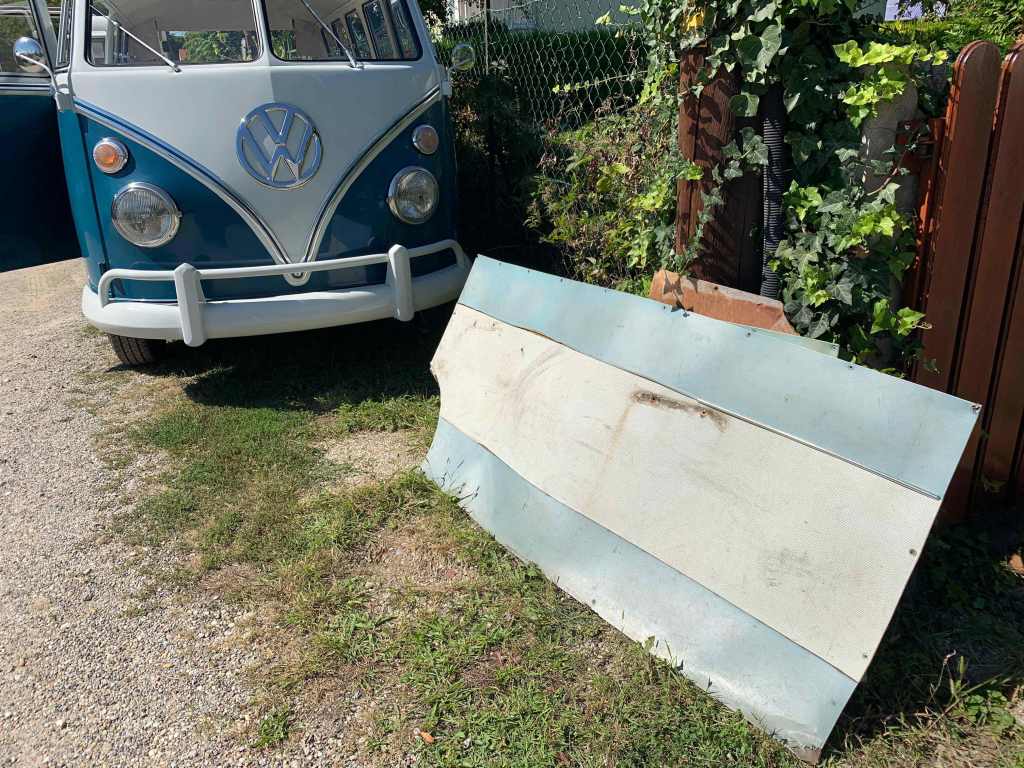
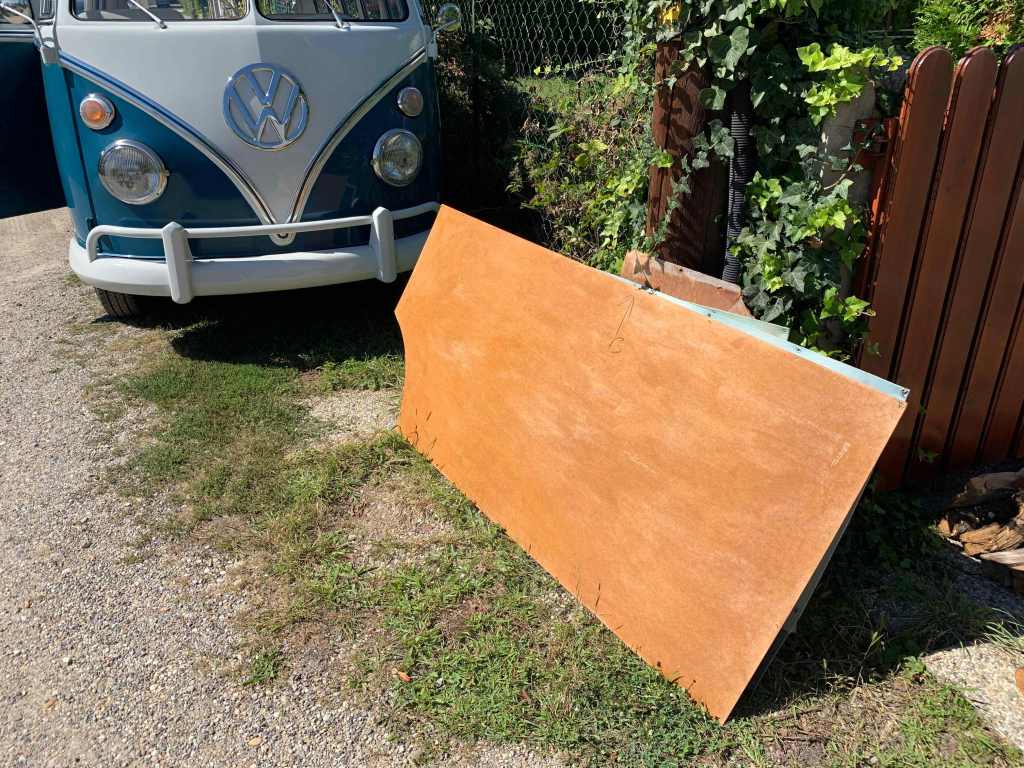
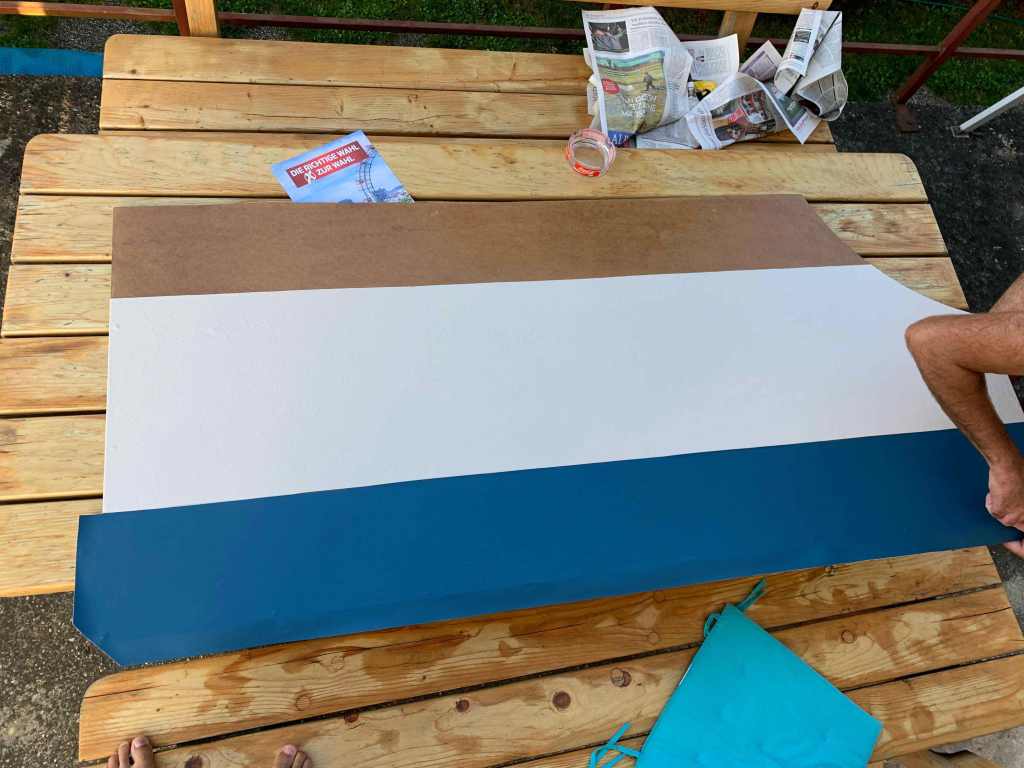
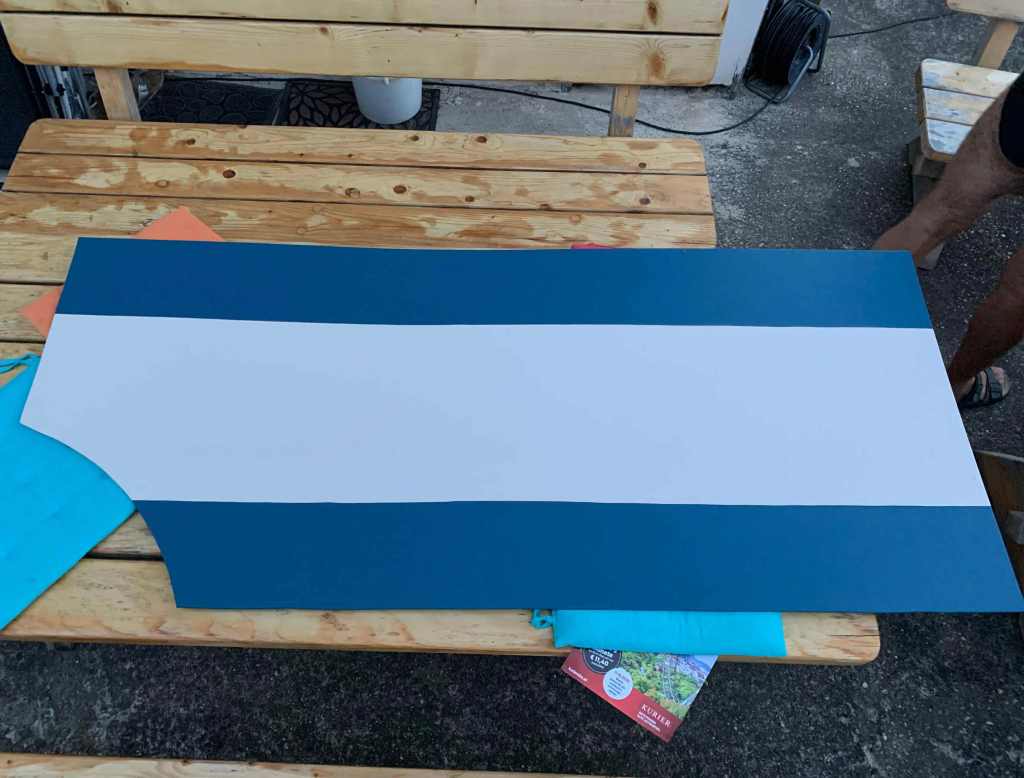
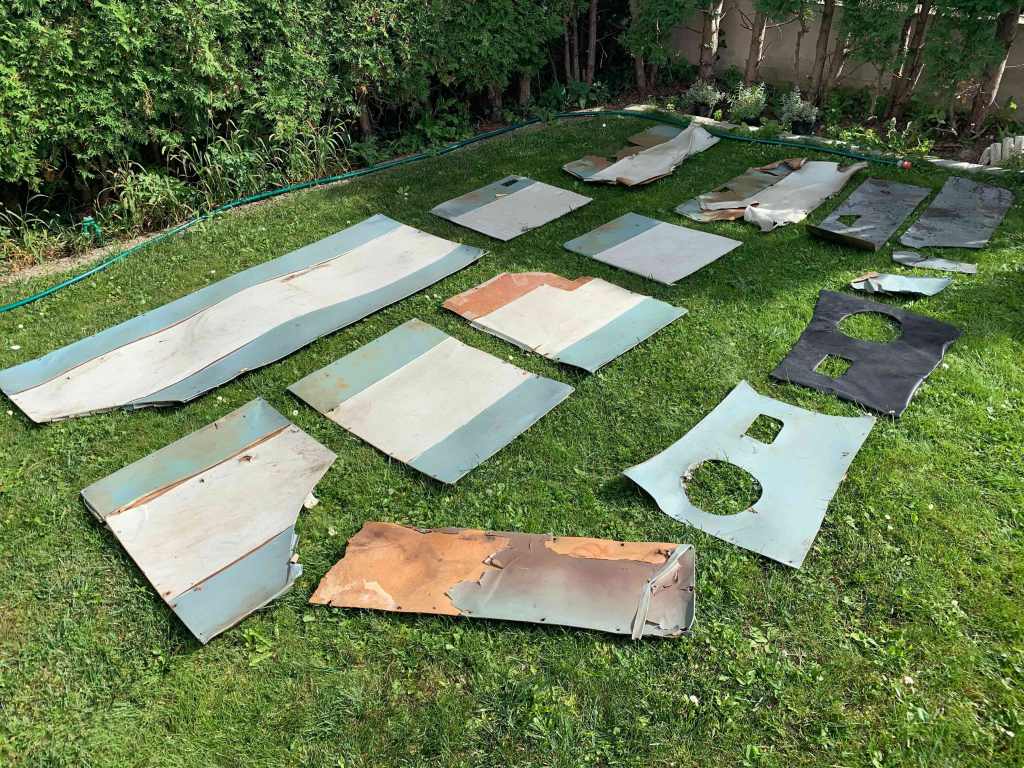
We also finally tackled the interior paneling project. The „cardboards“—actually 3mm MDF panels—were partly provided by the previous owner, who had already cut them to size. Interestingly, that was pretty much the only work he’d done on the bus.
He’d also been thinking about new seat covers at that time. Since he couldn’t find the original „aero papyrus“ – which was originally fitted in sea-blue T1 Deluxe buses from model years 1966 and 1967, and therefore would be correct for our bus – at today’s spare parts suppliers websites, he decided to have the seats reupholstered by his upholsterer. For this, he chose a dark blue instead of the light blue. One that would be as close as possible to the sea-blue of the exterior paint. The other lighter shade was based on the original beige/cream white used in the interior paneling—except that the fabric isn’t grooved.
… Since the seats had already been reupholstered by an upholsterer in the Netherlands before we had bought the bus, and we had also received several meters of fabric for the door panels and interior trim, we decided to keep the previous owner’s choice of color and to design the interior trim accordingly.
For all of you who stumbled upon our blog because you’re also looking for original „Aero Papyrus“ seat covers and interior trim for your VW T1 bus, I have a tip.
Yes, the „Aero Papyrus“ color is really hard to find, and I haven’t actually found it in any of the usual VW bus parts online shops. BUT:
Since I was very interested in this topic, I started a thread for it in TheSamba forum and collected tons of pictures of buses with „Aero Papyrus“ interiors that are as original as possible, which should serve as a reference. On the one hand, there are already two suppliers in the USA who offer Aero Papyrus parts that are as true to the original as possible – and on the other hand, this forum post might help you, as it did me, to understand what the original T1 interior really looked like.
It wasn’t easy for us either, since the previous owner had already removed most of the interior, and we therefore had no reference point. Perhaps you could simply send this link to your saddler – and with a bit of luck, they might have suitable fabrics available that are as close as possible to the original.
Here is the link to the forum post with many pictures:
If anyone has any new information on the „Aero Papyrus“ topic, please feel free to contact me! 🙂
So… back to the interior paneling of our bus and the work we did in September 2020:
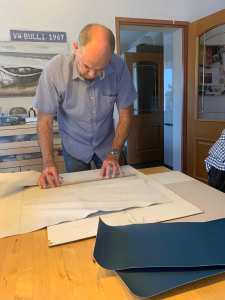
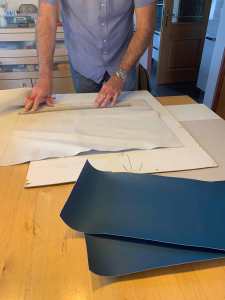
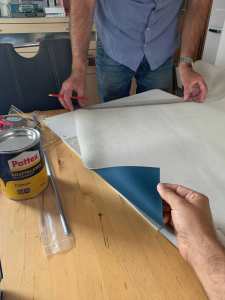
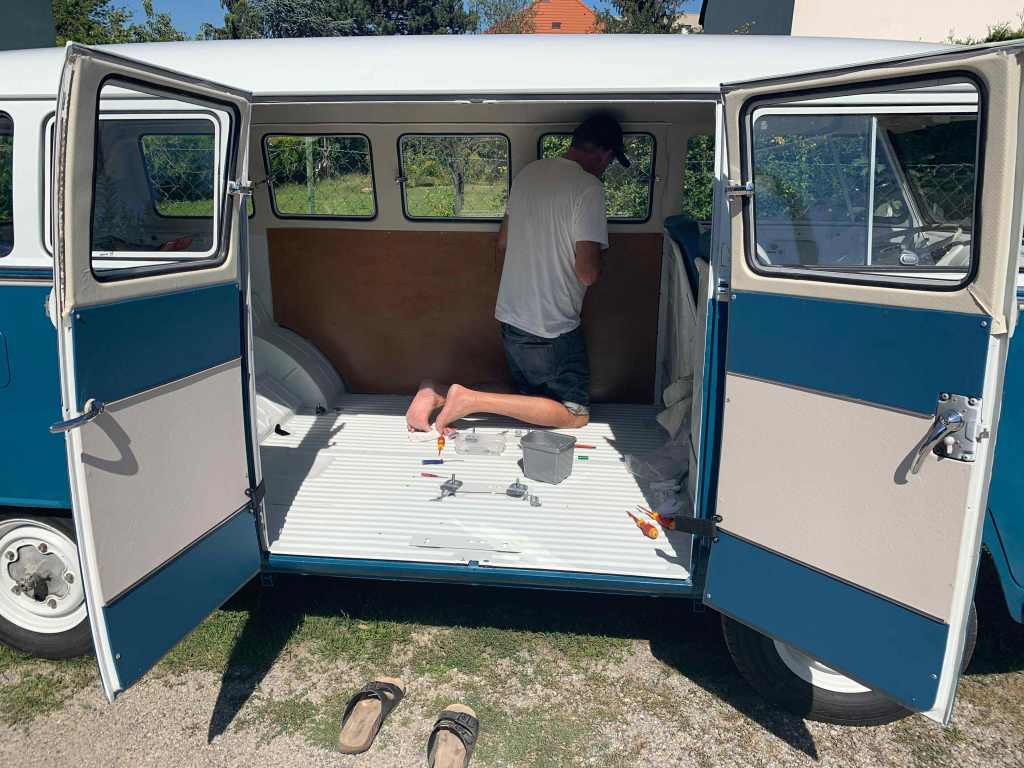
We coated the HDF panels with clear lacquer on the outside to make them more weatherproof, and then applied adhesive and the new fabrics to the other side. Finally, we added the holes and installed the aluminum trim.
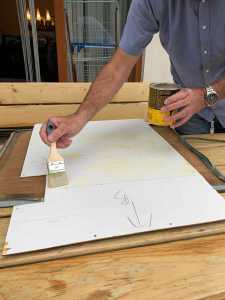
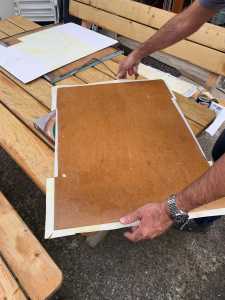
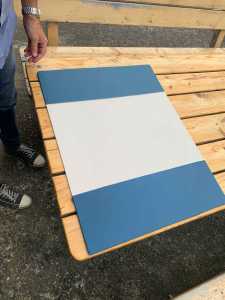
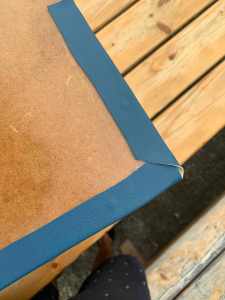
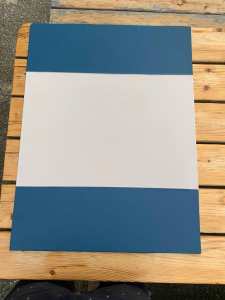
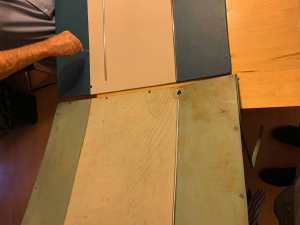
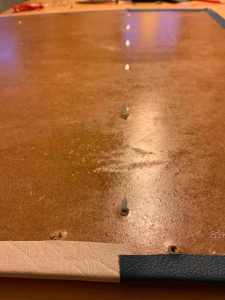
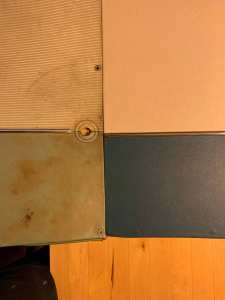
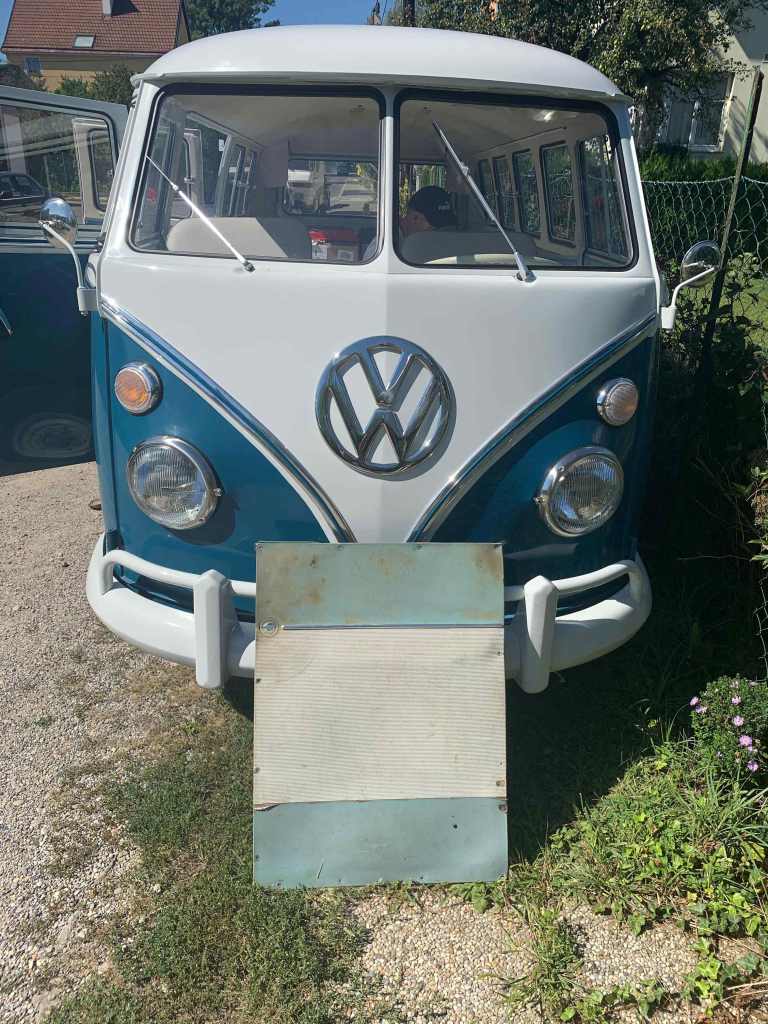
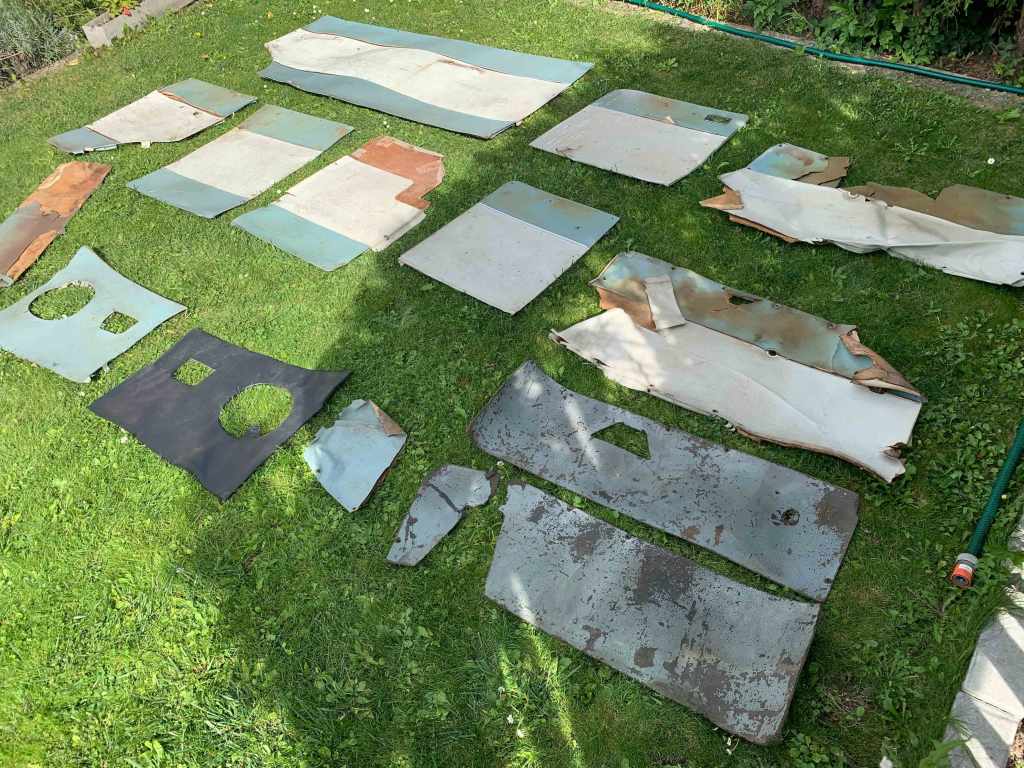
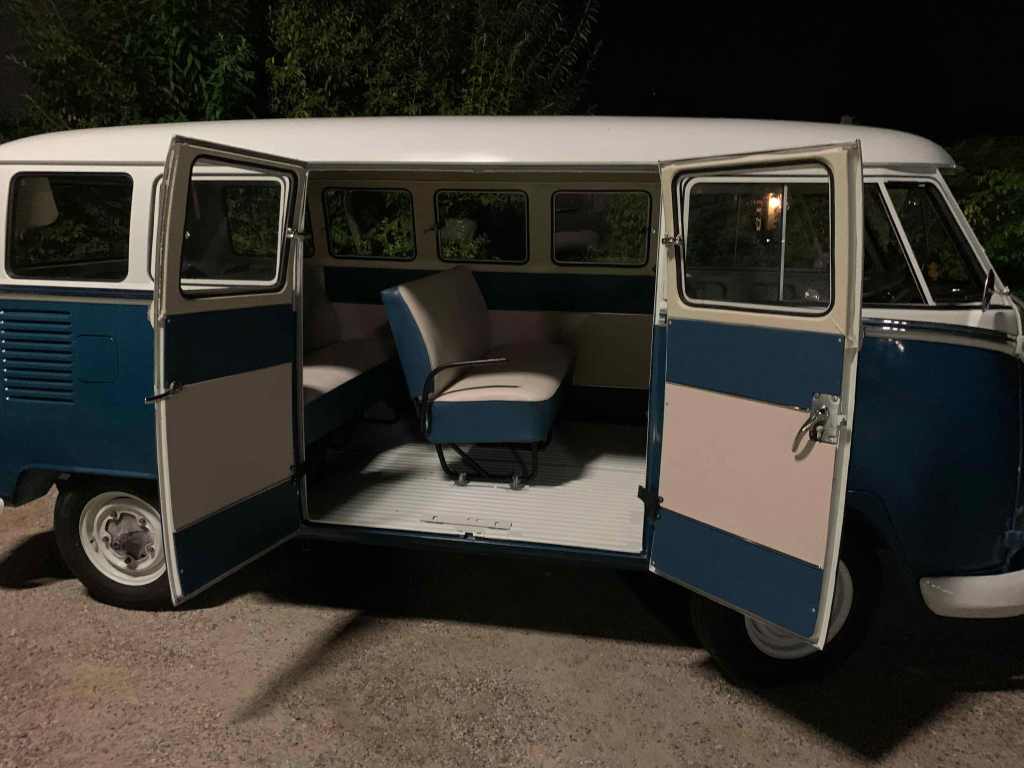
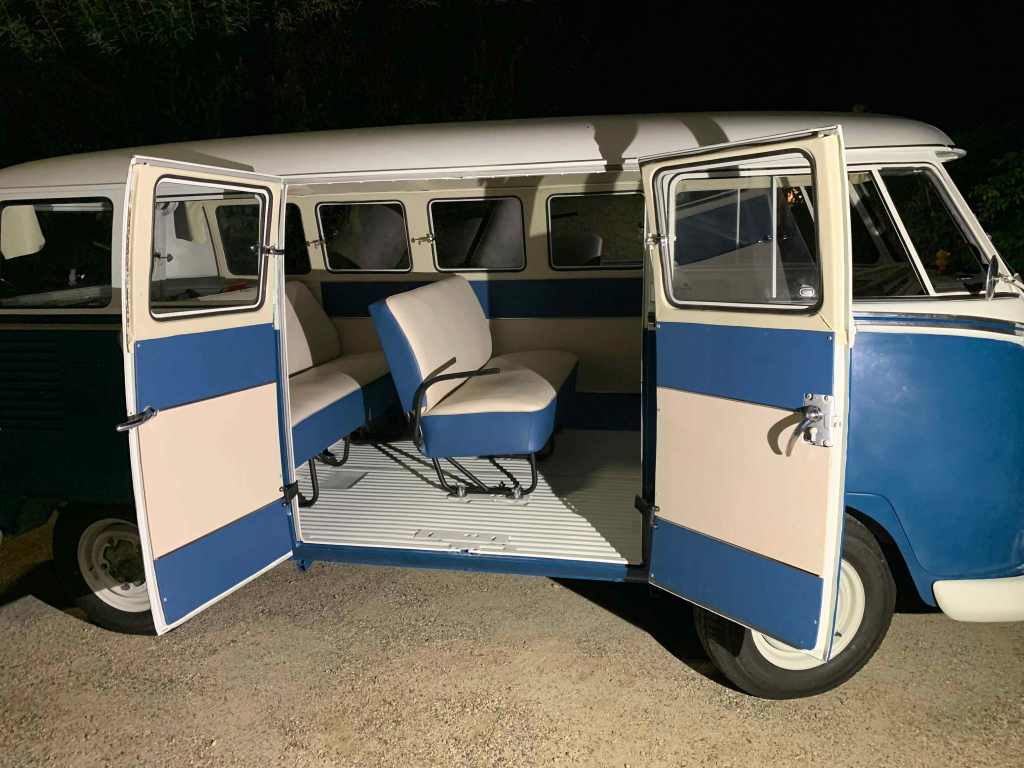
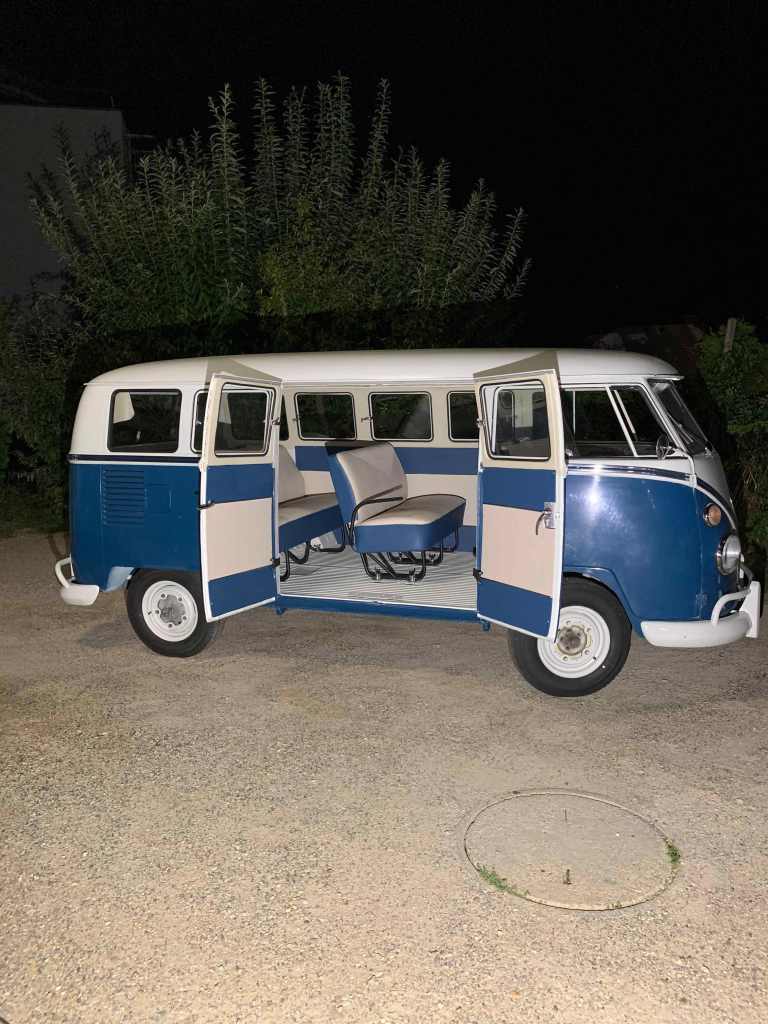
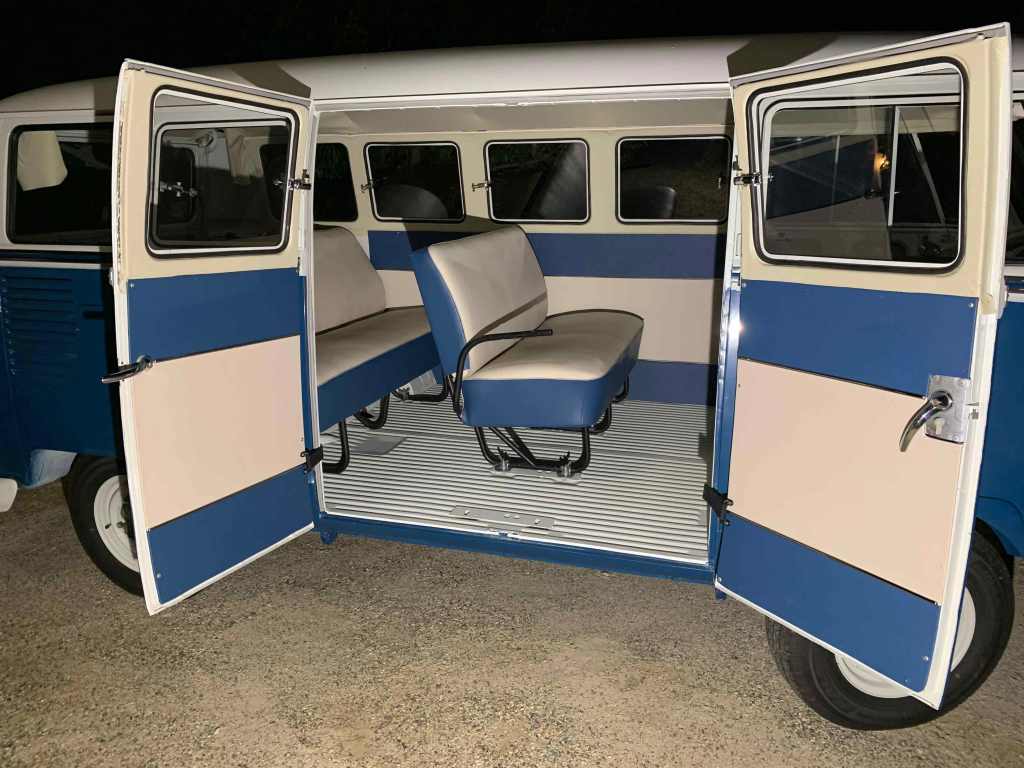
To ensure accurate measurements, we reinstalled the old interior trim panels before crafting the new ones. Below you’ll find some photos comparing the original, preserved interior trim panels with the new, custom-made ones.
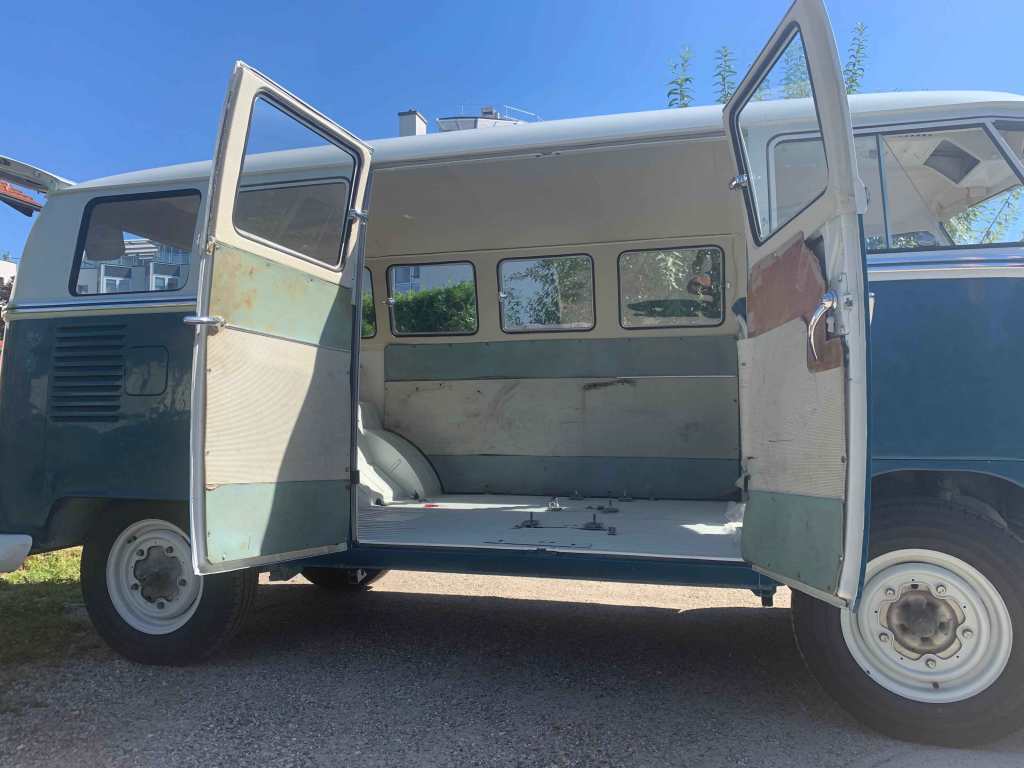
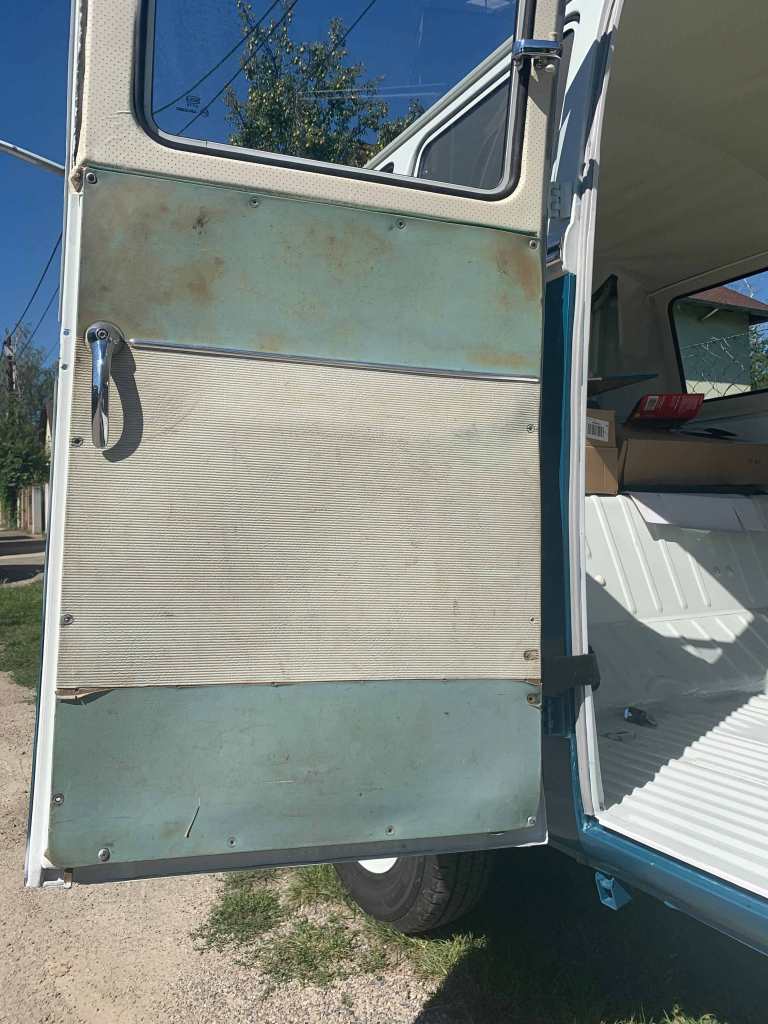
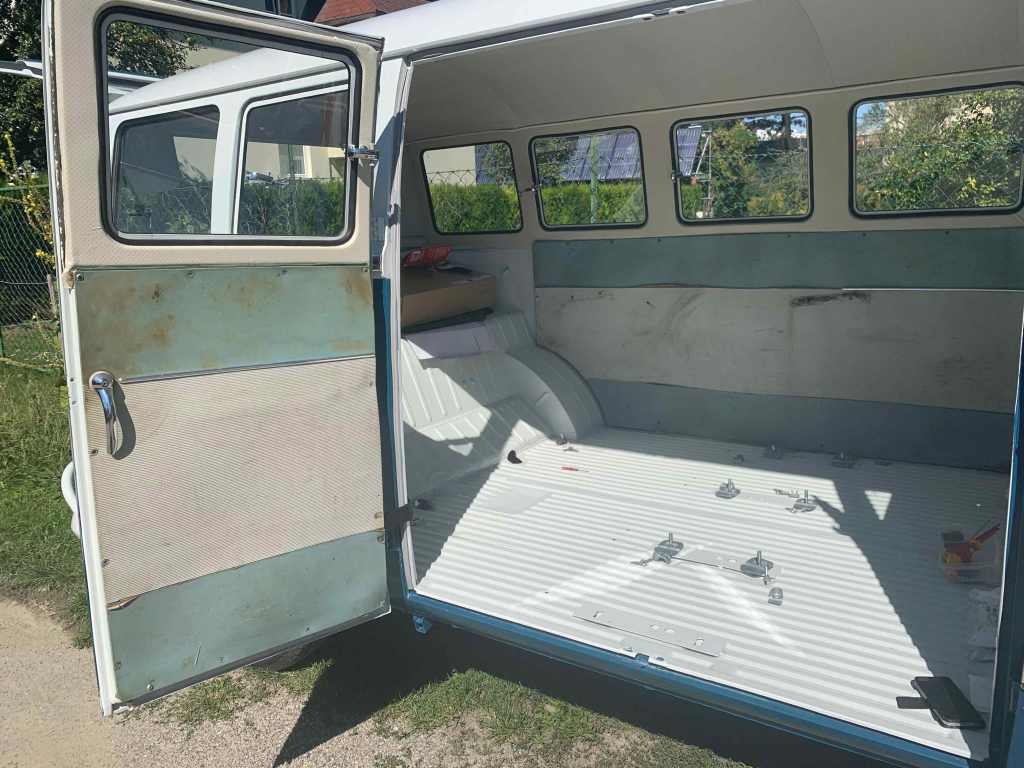
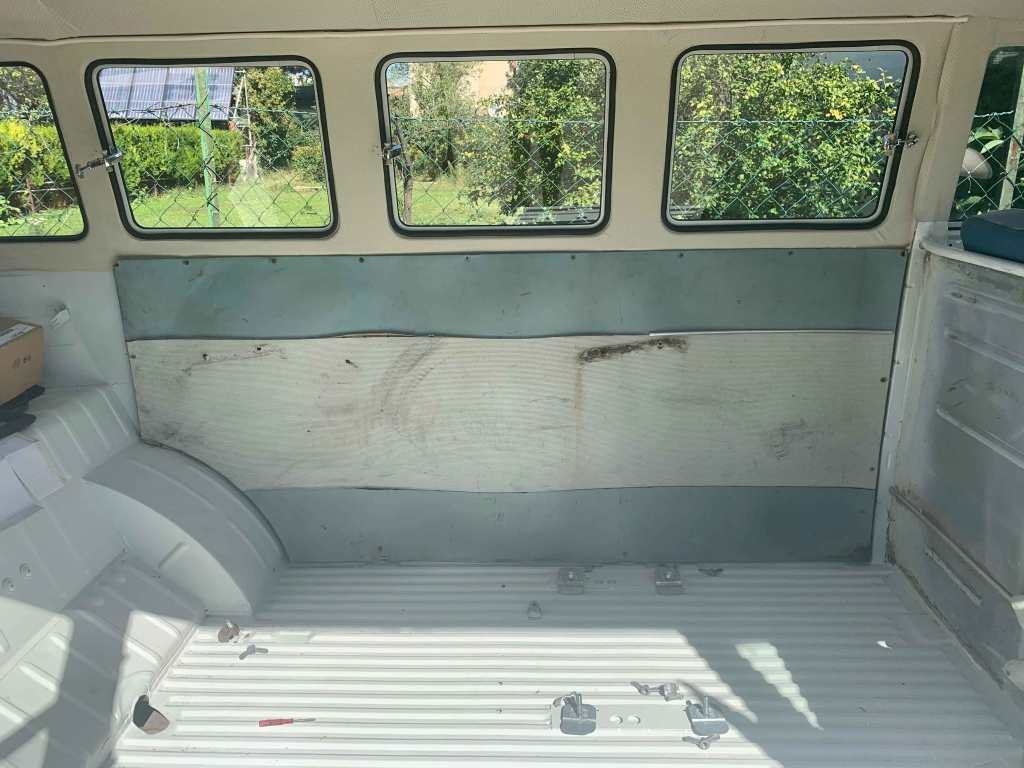
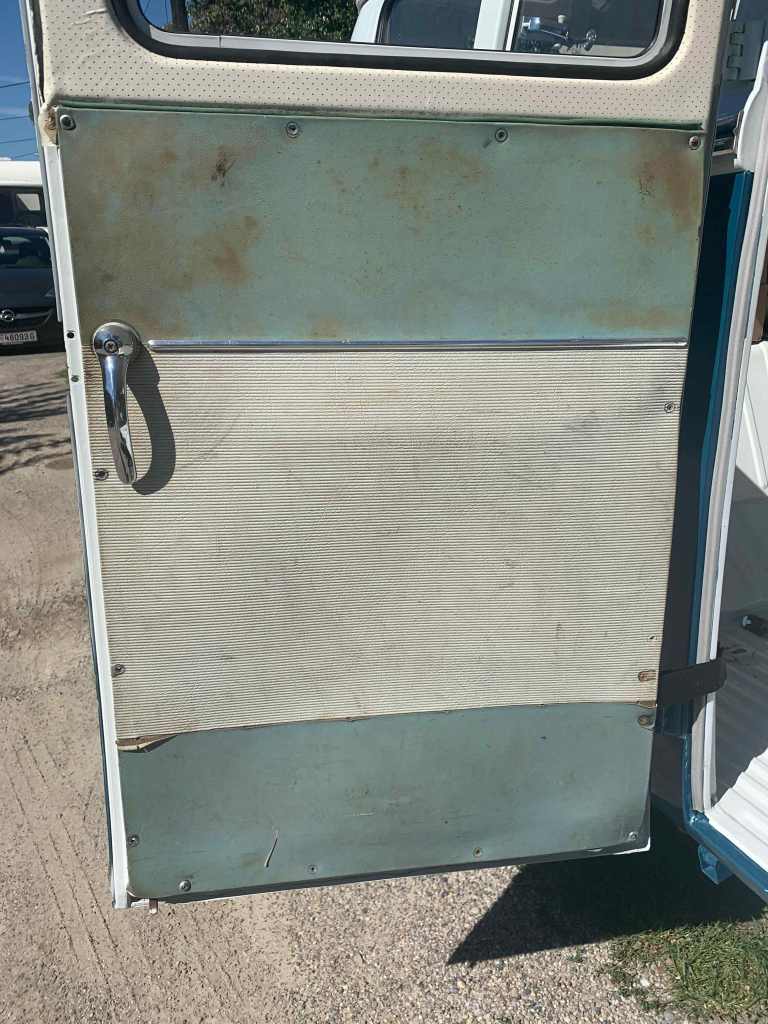
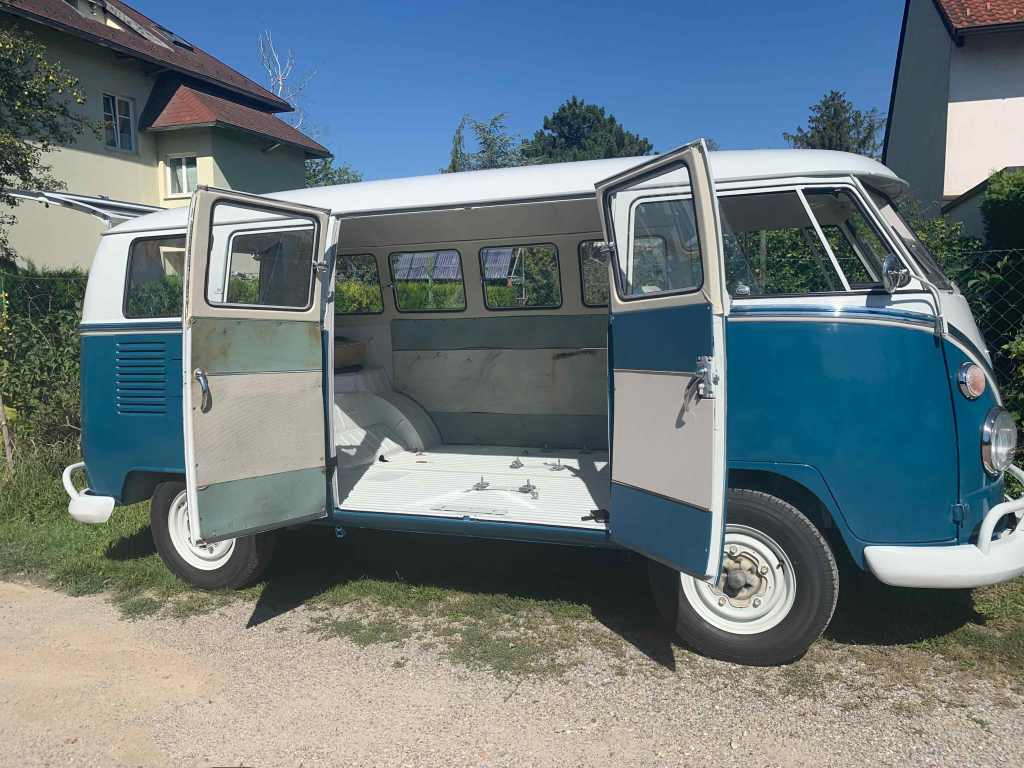
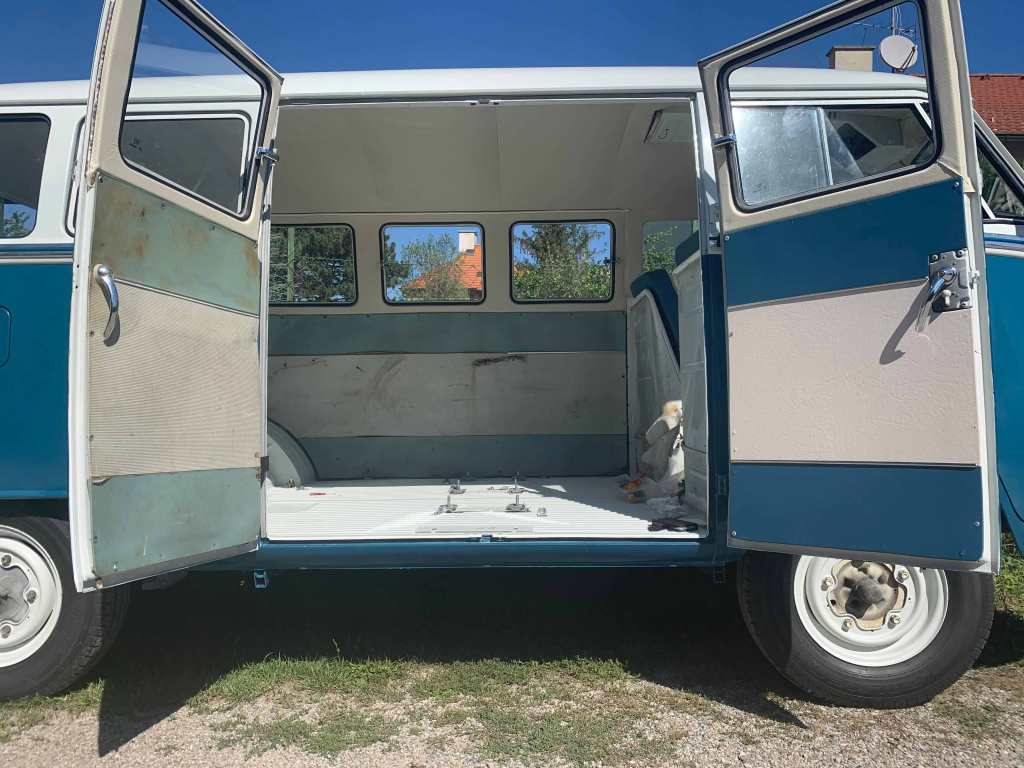
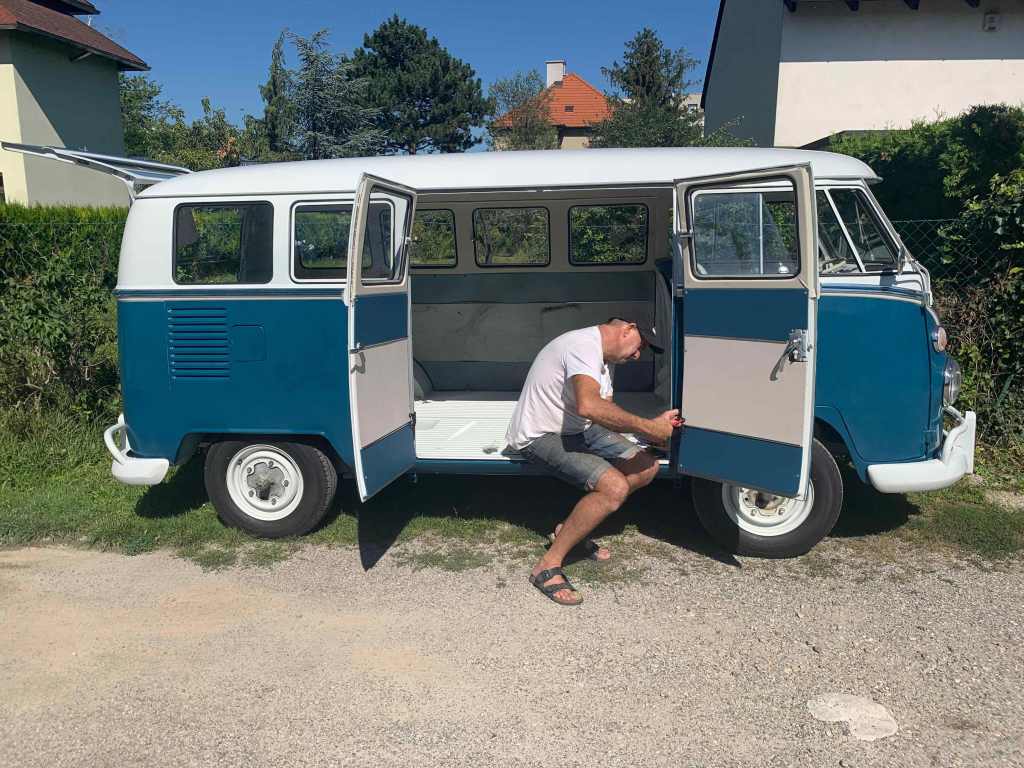
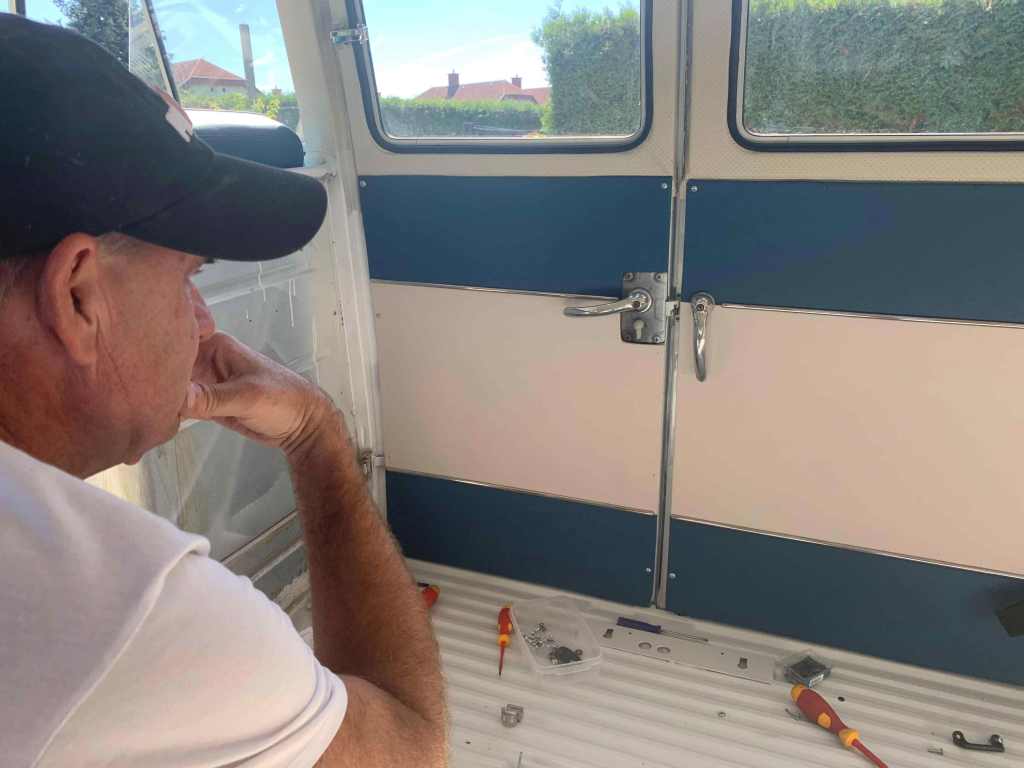
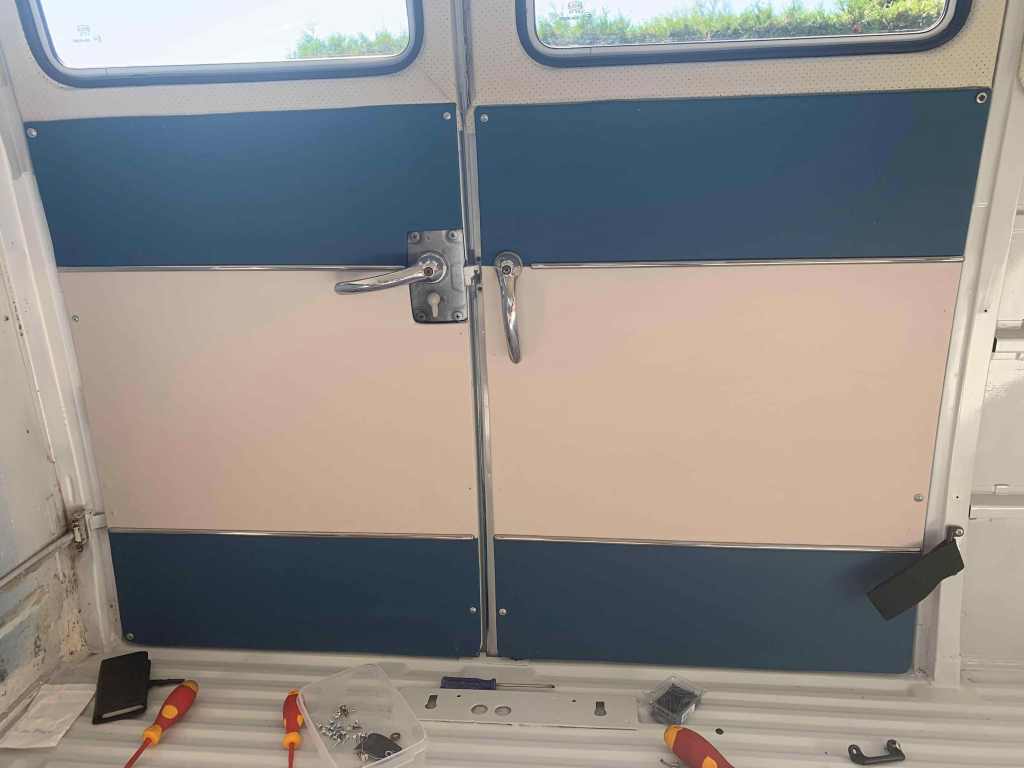
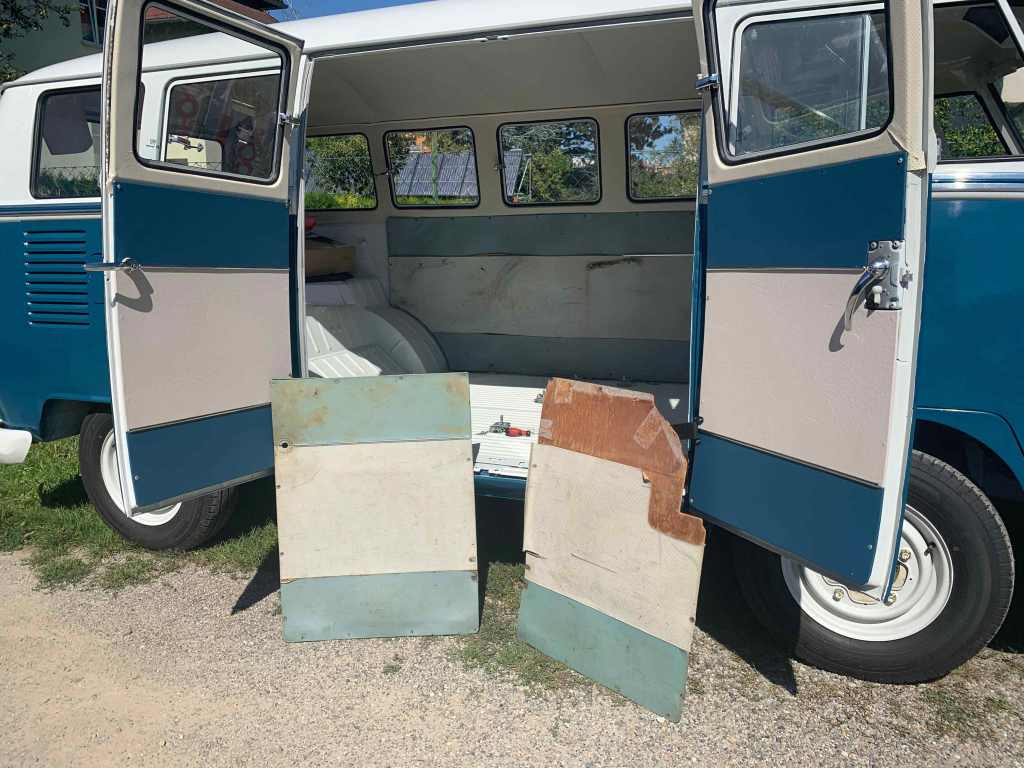
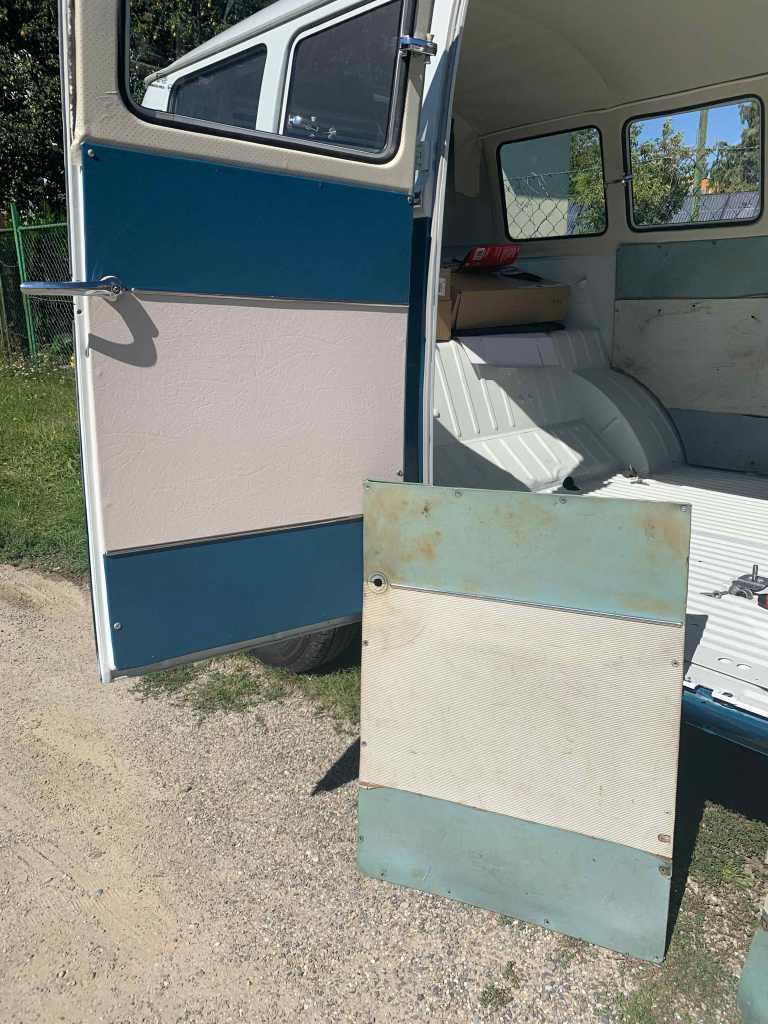
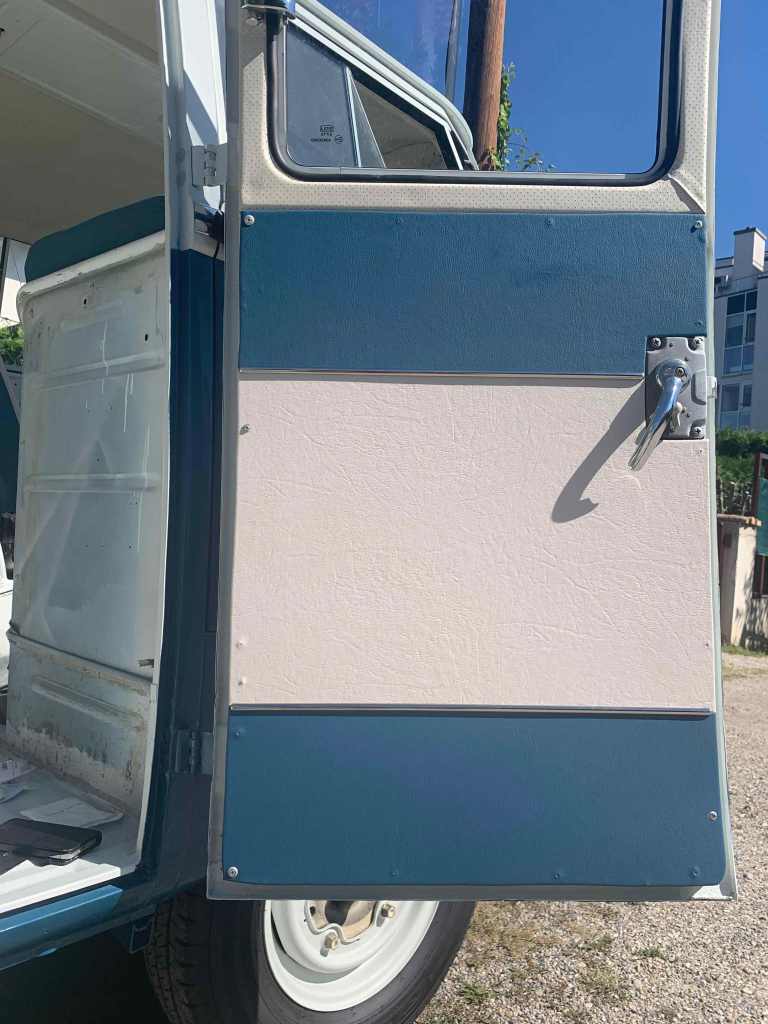
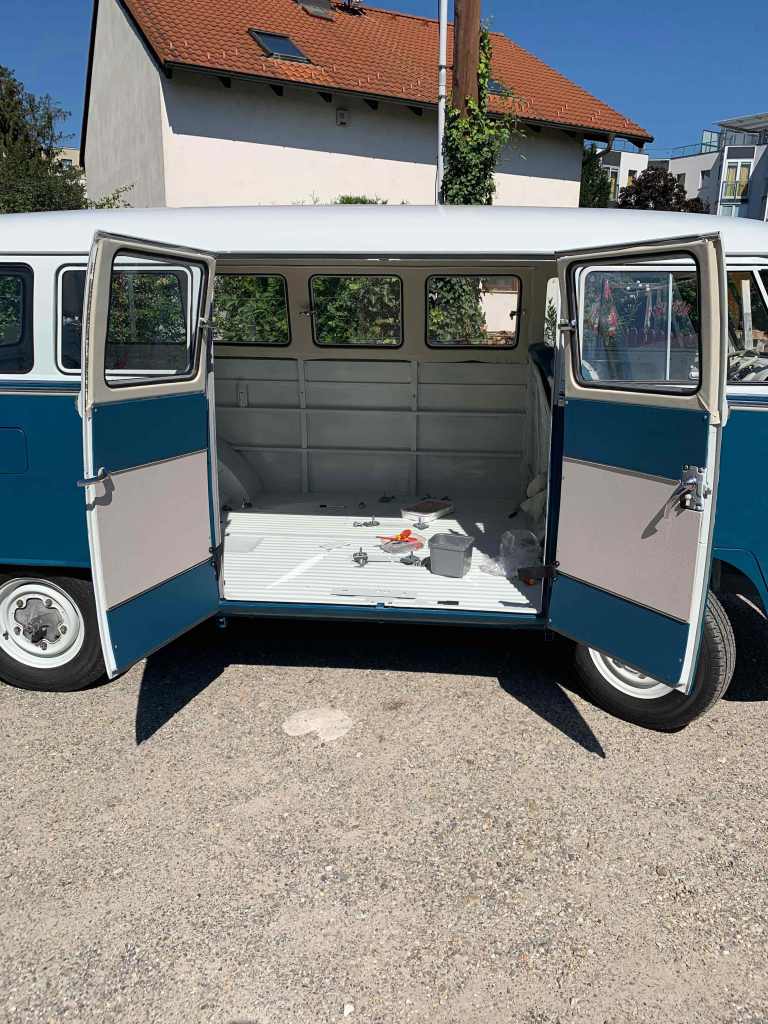
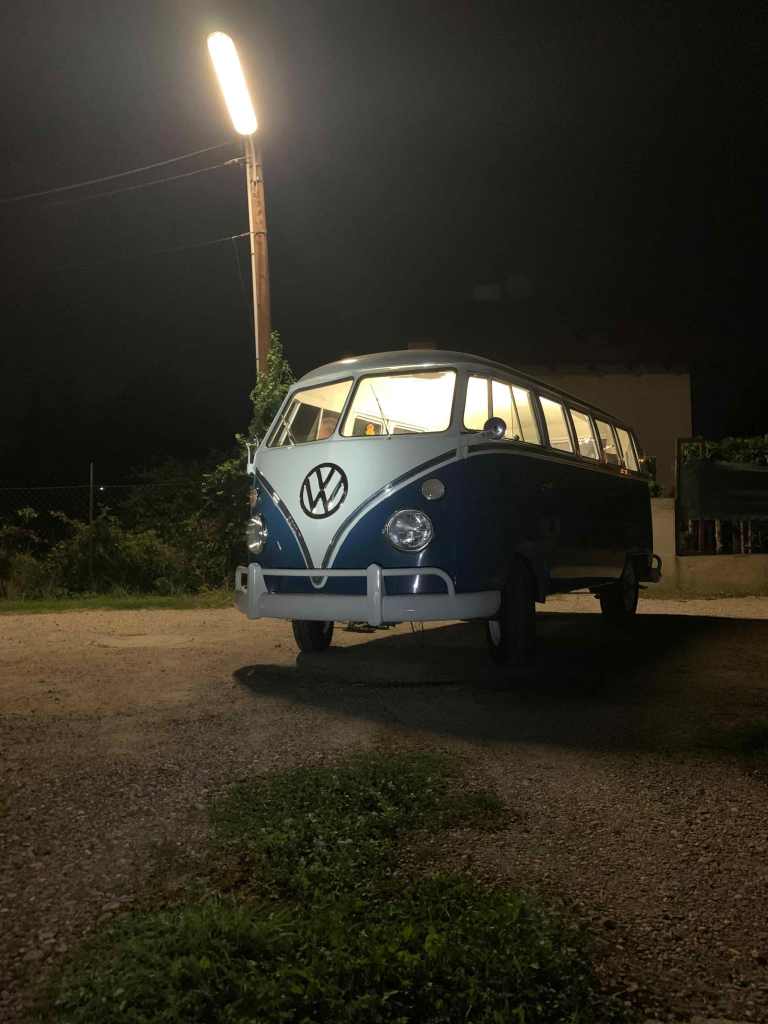
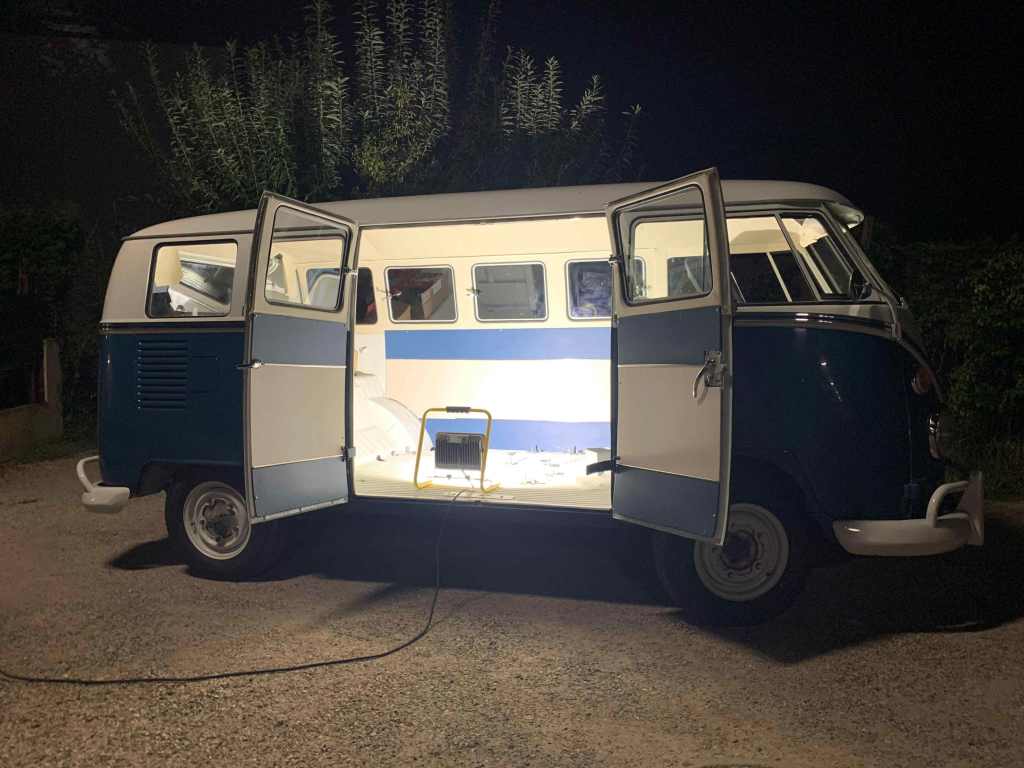
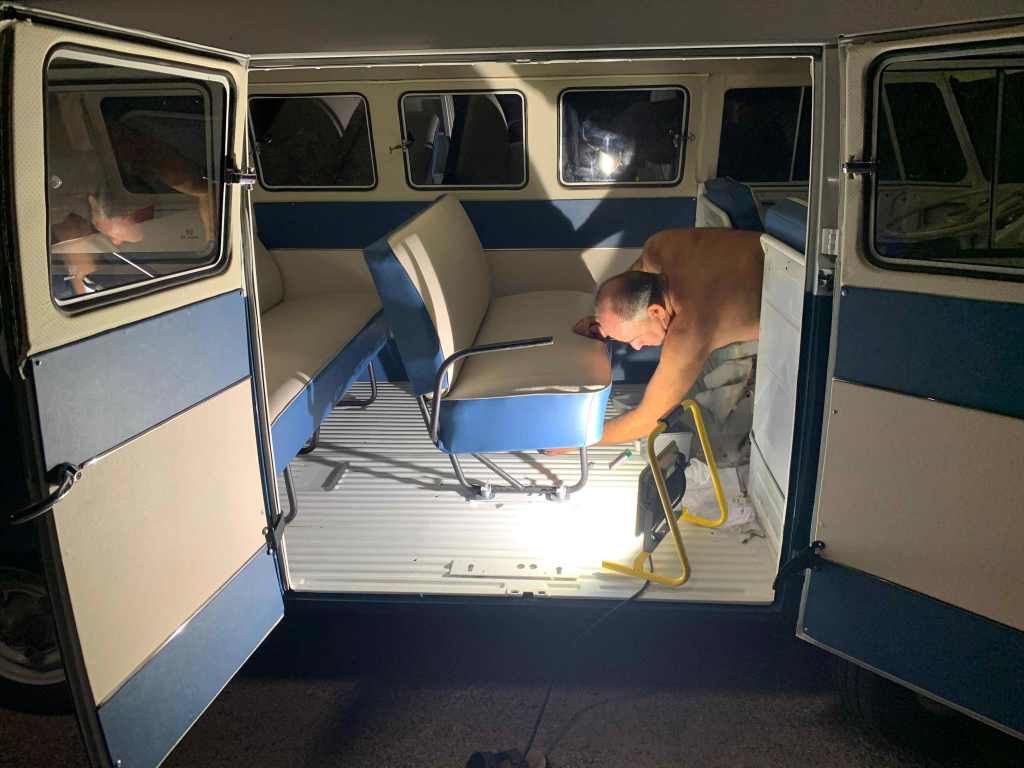
It was an extremely productive day, and we worked late into the night. In the end, we couldn’t resist reinstalling the two rear bench seats to see how they looked with the newly created side panels in the interior.
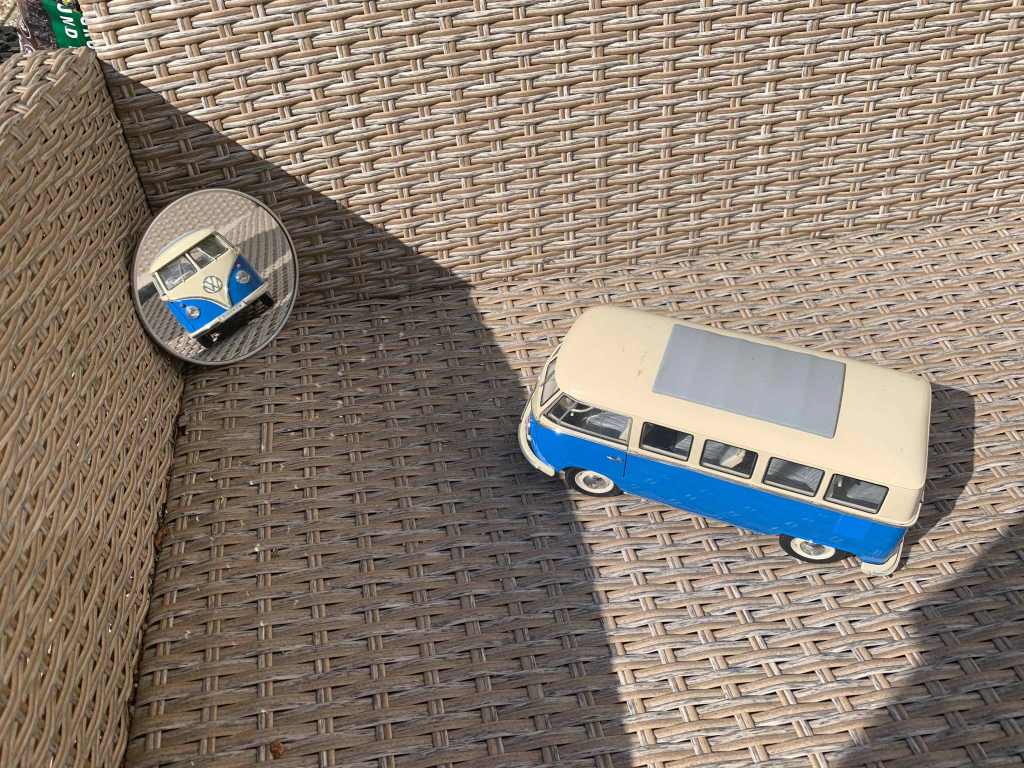
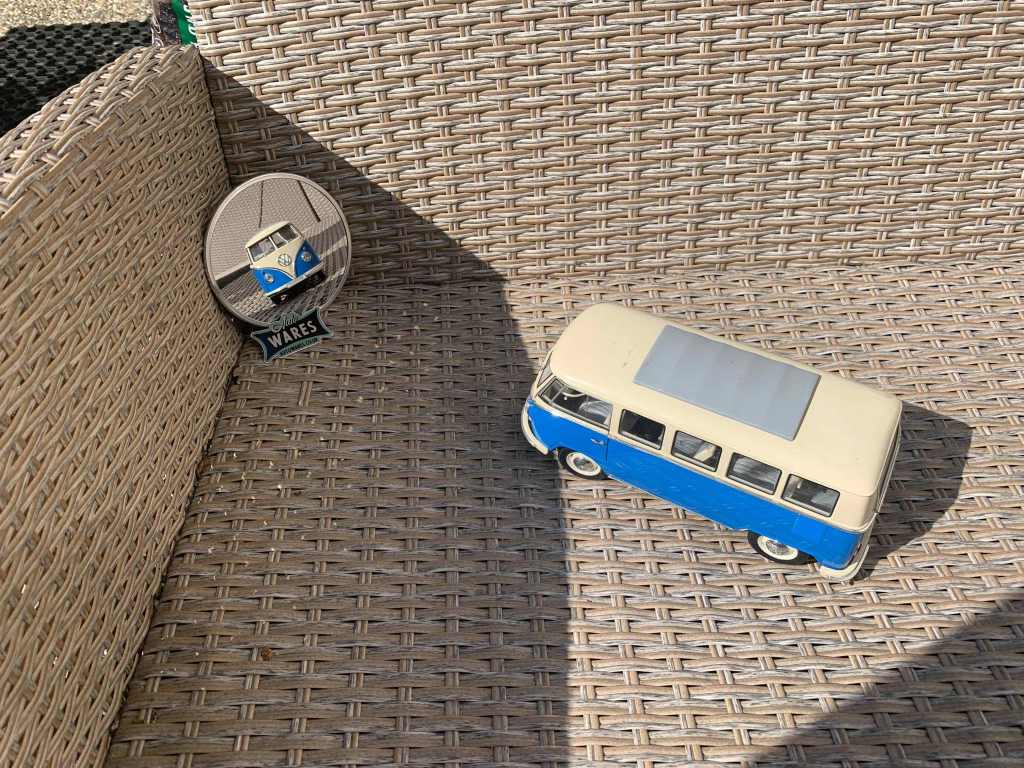
An extremely useful discovery that I simply must share with you is these side mirrors, which I find incredibly practical. Unlike the original T1 side mirrors, these have been fitted with convex glass, which significantly enlarges the field of vision in the already small mirror. I tried to take two photos from as similar a perspective as possible – the first with the original mirror, the second with the convex reproduction mirror:
The next blog post for the end of 2020 is already in preparation, and it will be all about renewing the brakes on the T1 – and about barn finds… stay tuned! 🙂
