27th blog – date: February, 14th 2026
I’m still catching up on blog posts from the past few years in the blog section of this website.
This article is primarily about a road trip to Sweden – but before that, I just have to show you a photo of me in Rome during a short visit in early March 2024.
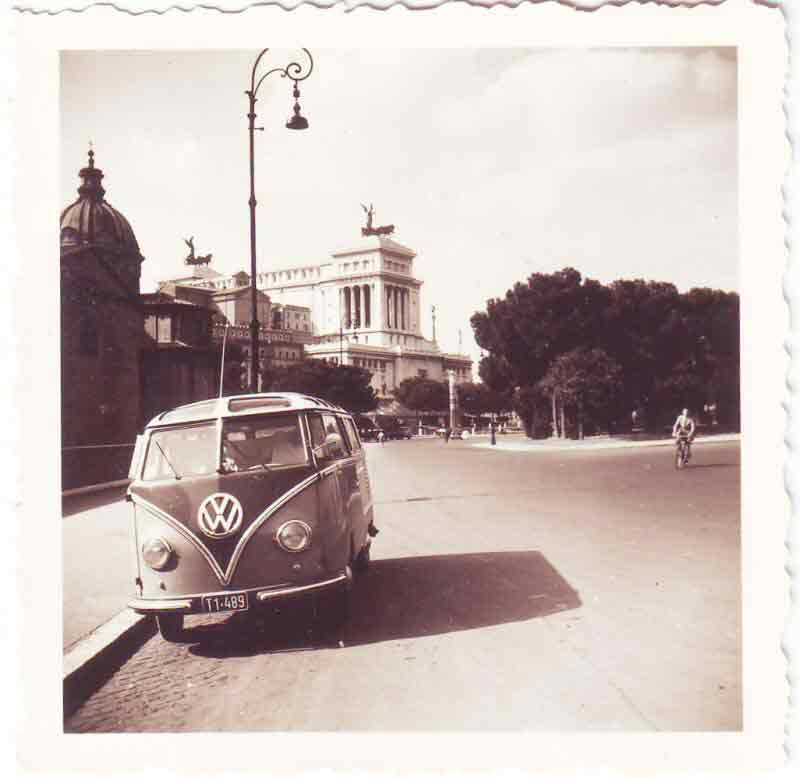
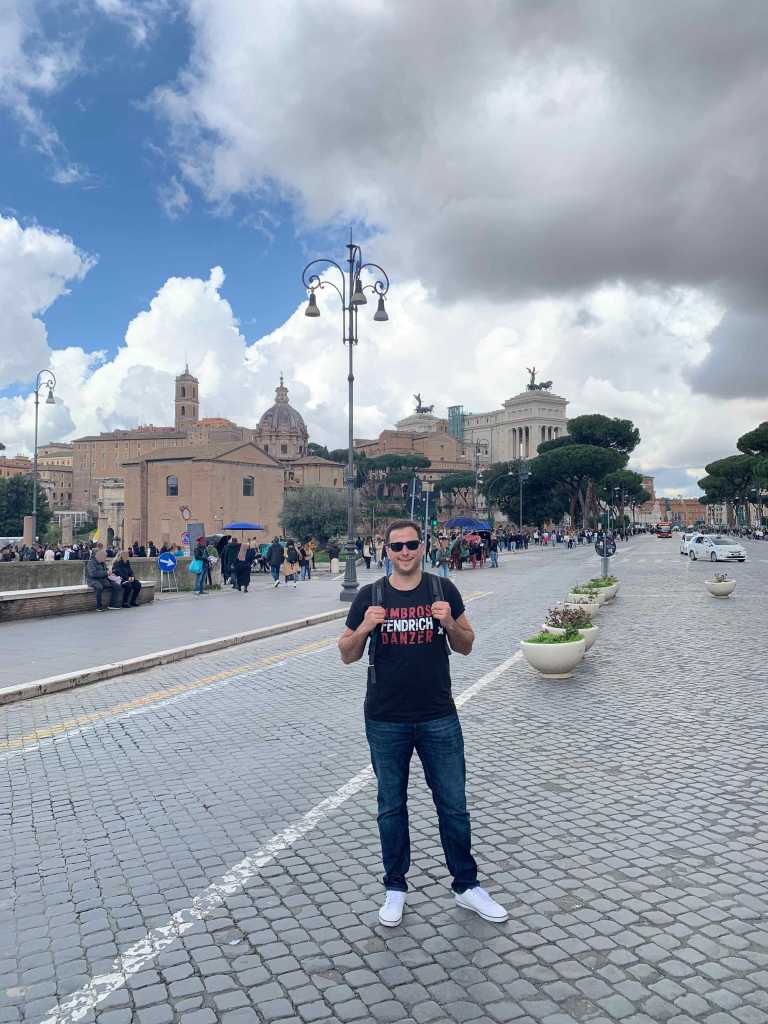
I have known the location of the old photo for a few years. But i hadn’t actually thought about it while we were strolling through Rome. But then we suddenly came across this street, and I immediately recognized the building in the background and, of course, had to take a picture.
The photo shows a VW T1 bus from the early 1950s with an unusual glass roof over the driver’s cab. This bus was probably converted by the Austrian company Kohlruss Carosserie. An old license plate from Tyrol is visible on the bus. I don’t know the bus’s exact place of origin – but just imagine how long the journey must have taken back then, because even today, it takes about 8 hours in a modern car to drive from the Brenner Pass on the Austrian/Italian border to „Piazza Venezia“ in Rome, where the photo was taken. The building in the background is the National Monument, the „Altare della Patria“.
Two madmen on a VW mission in Sweden
In October 2024, the following adventure unfolded…
I accompanied my friend Bernhard to Sweden. At the beginning of the COVID-19 pandemic, he had bought a VW bus project there. More precisely, a wreck found in a forest. This forest find is a „Barndoor“ T1 bus, built in 1954 – and after being decommissioned, it had served as a waiting shelter for children who were driven to the next village in winter by sled along forest roads.
Not much remains besides the bare body and the chassis number – but these kinds of vehicles are being rebuilt in abundance today, and they are worth preserving for us.
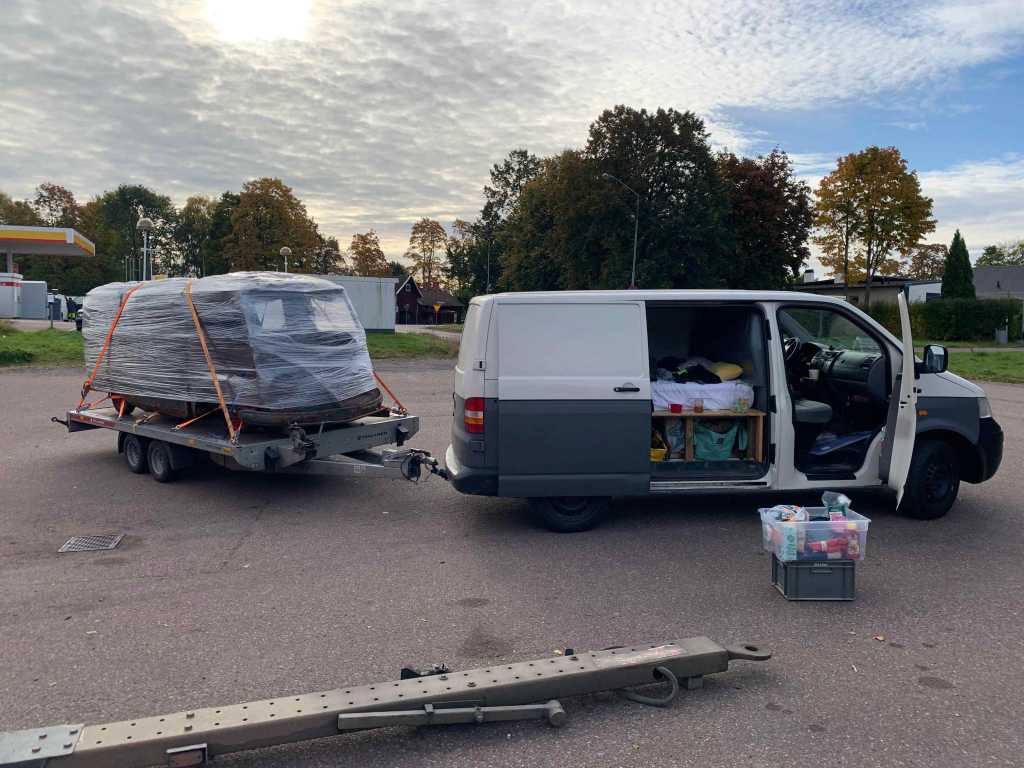
And so it began, after the tow vehicle had passed its roadworthiness test (MOT/TÜV) just a few days earlier.
Departure: Wednesday, October 2nd – approx. 10:00 PM | somewhere in the Ernstbrunn area, Lower Austria…
After taking a nap in the early evening, we got in the car at 10:00 PM and set off. Full of enthusiasm, we started our journey, only to discover in the next town that the heater had stopped working for some reason. No matter, we continued on! We took advantage of the lighter traffic at night and drove through the Czech Republic to Germany. As soon as it started to get light again, we took our first nap. One of many over the next few days.
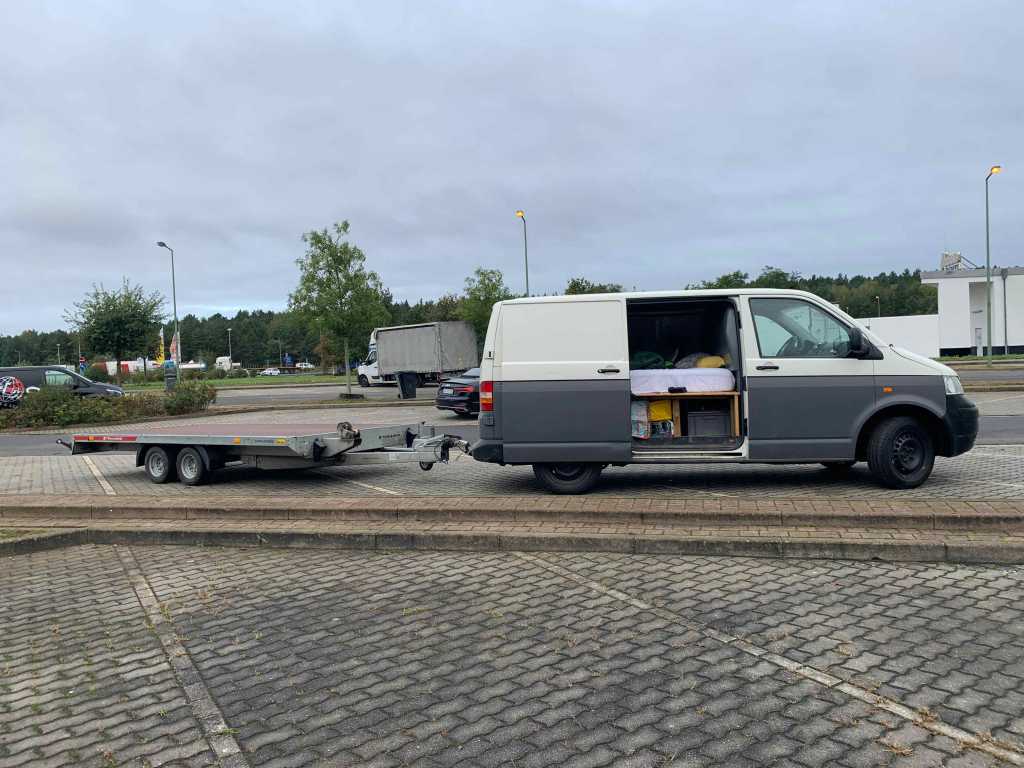
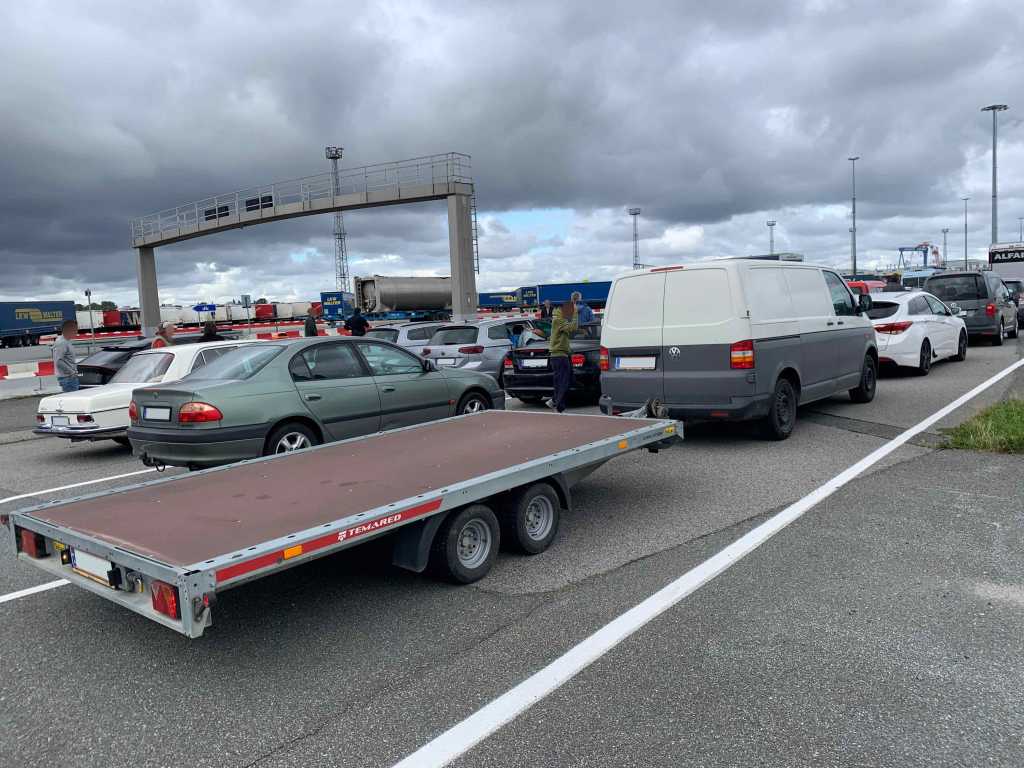
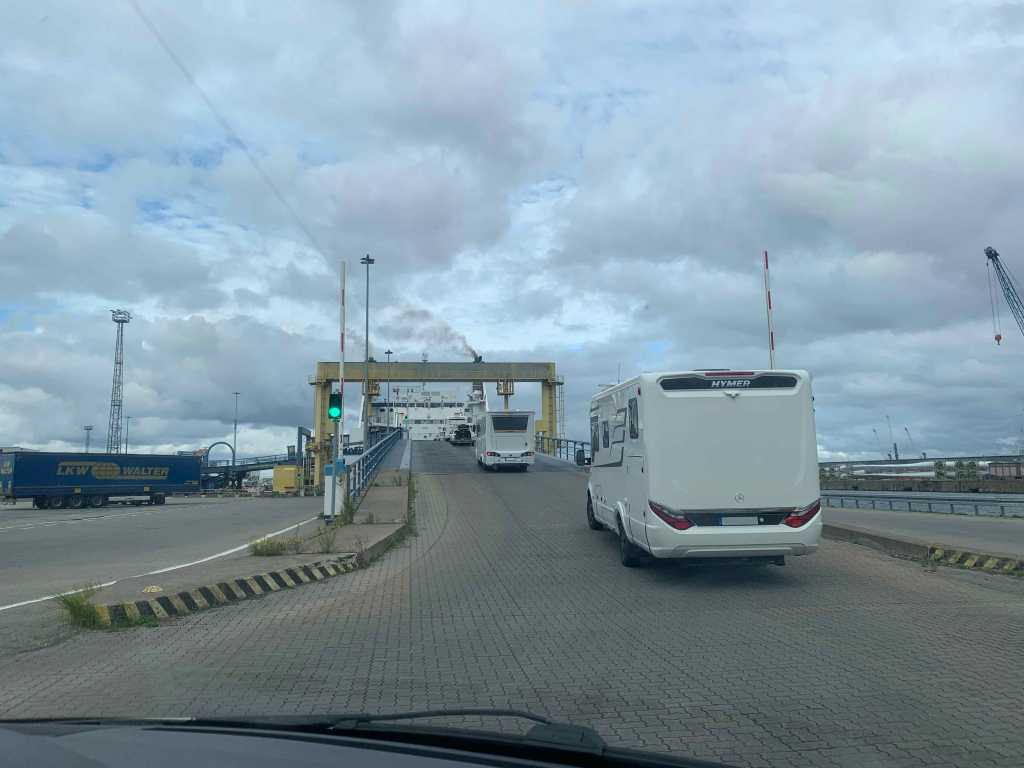
Thursday, October 3rd – 1:30 PM | Arrival at the port in Rostock
At approximately 2 PM, the ferry departed from the port of Rostock in northern Germany and traveled 150 kilometers across the sea to Trelleborg in southern Sweden in 6 hours.
The ferry docked at the port in Trelleborg at about 8 PM. We decided to drive another 20 km to Vellinge, where there was a large parking area that was also well-suited for caravans.
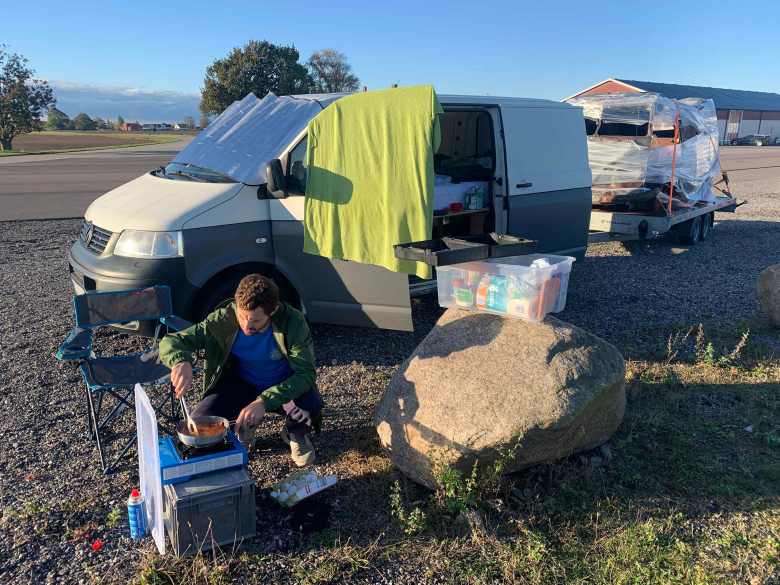
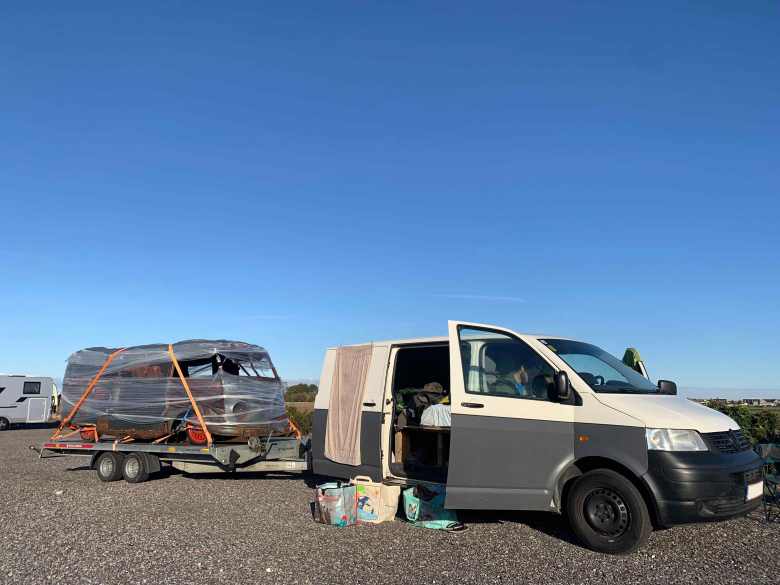
Around 8:30 PM, we arrived at the „Stanhems Ställplats i Skåne“ campsite, took showers, and finally got some much-needed sleep. During the night, the temperature was around 0°C, sometimes 2-3 degrees above or below. In various conversations during this trip, we received several surprised looks, wondering how we managed without heating in the back of the campervan. But honestly, with one or two layers and a good sleeping bag, it was perfectly fine. The most „tedious“ part was walking back to the campervan in the cold night air after a shower and still not completely dry, and then immediately bundling up. But it wasn’t a big deal.
As you can clearly see in the second picture below – and extremely practical for camping: the T5 is a double-door!
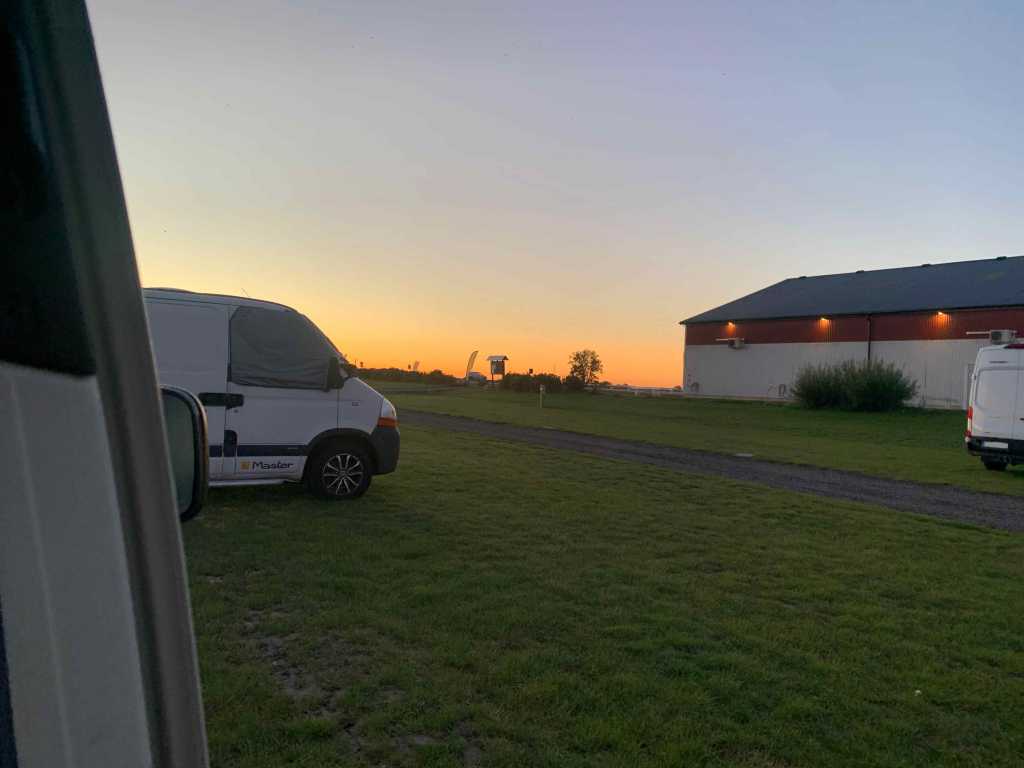
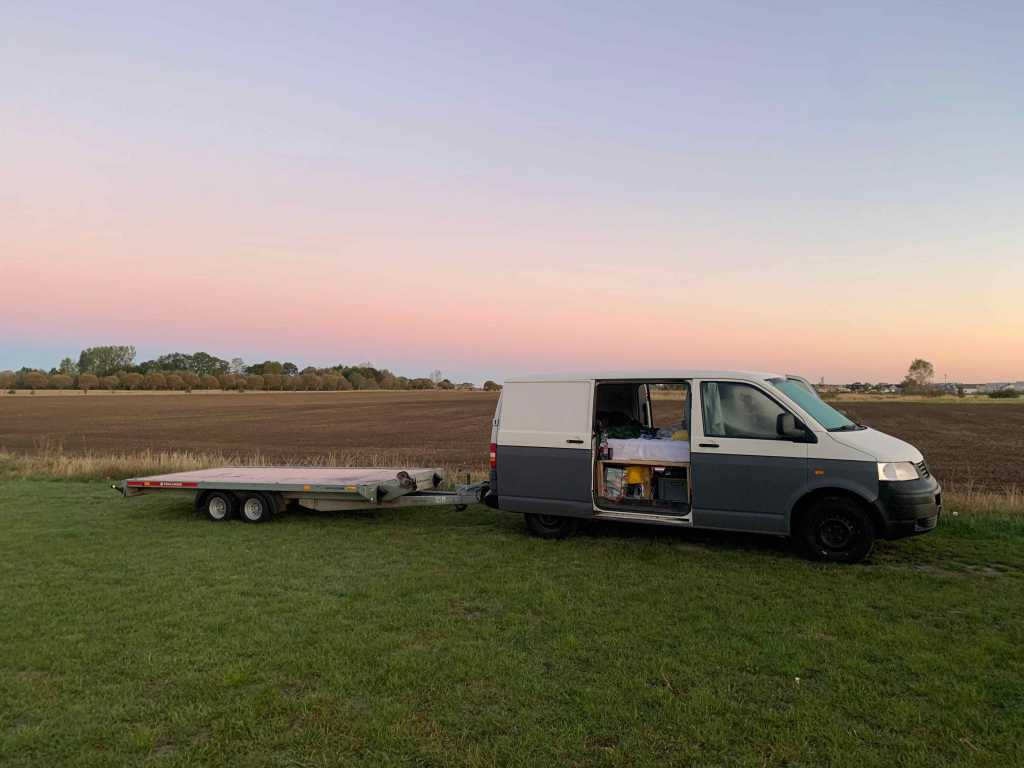
Friday, October 4th – approx. 7:45 a.m. | Departure Northbound
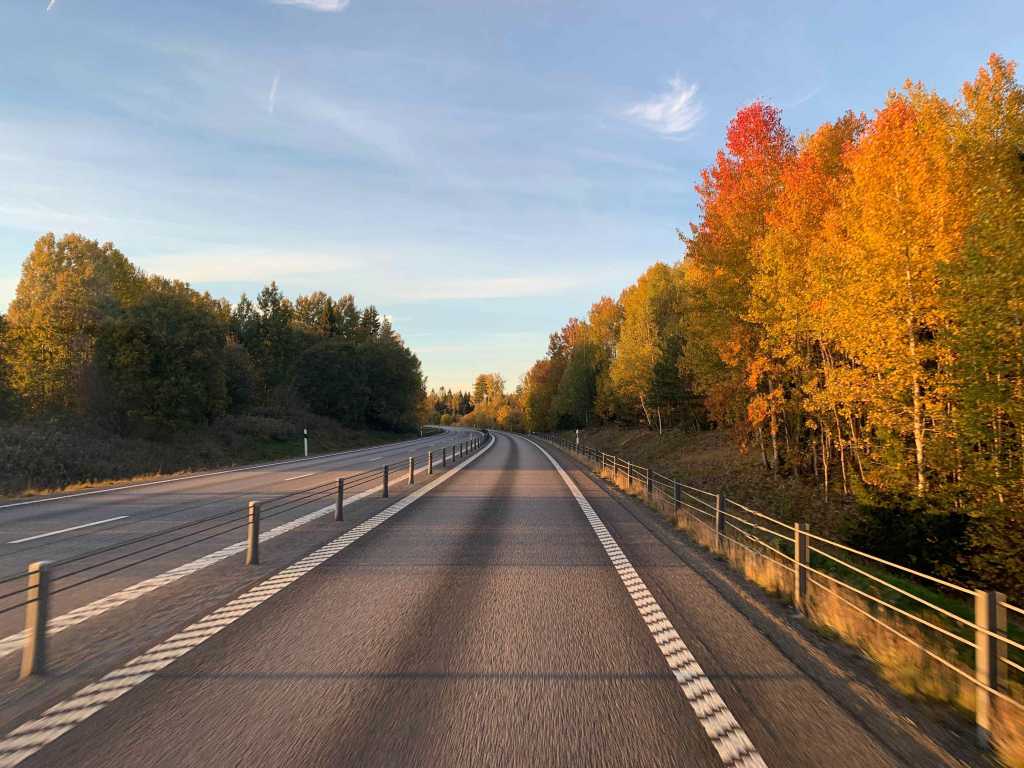
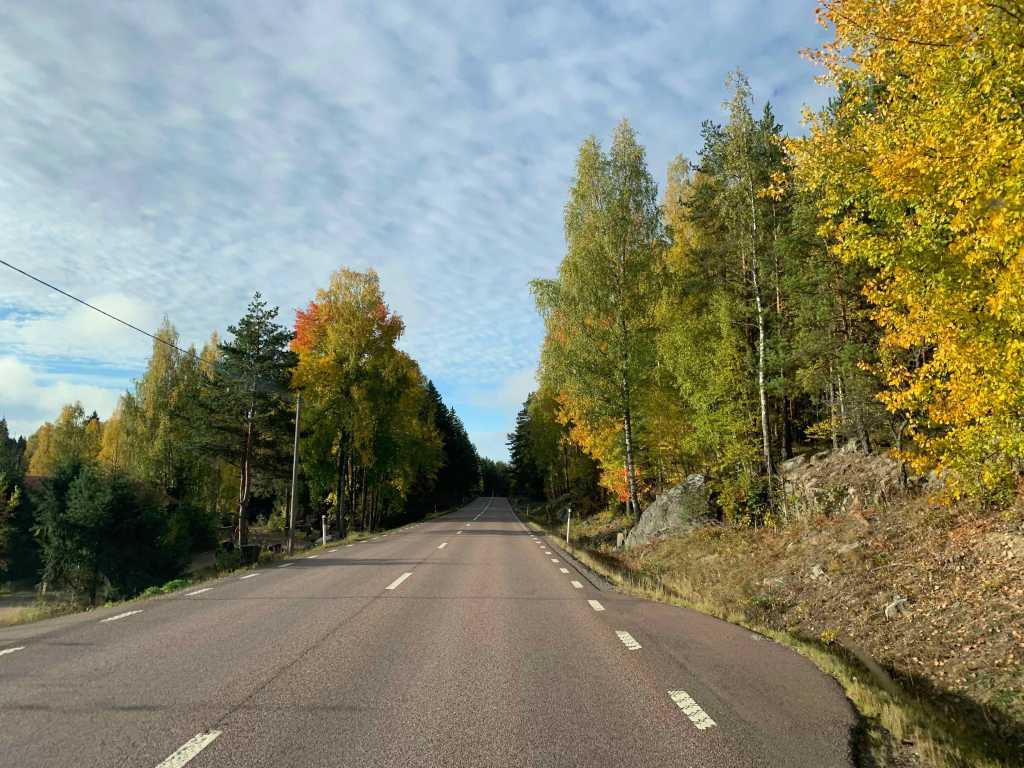
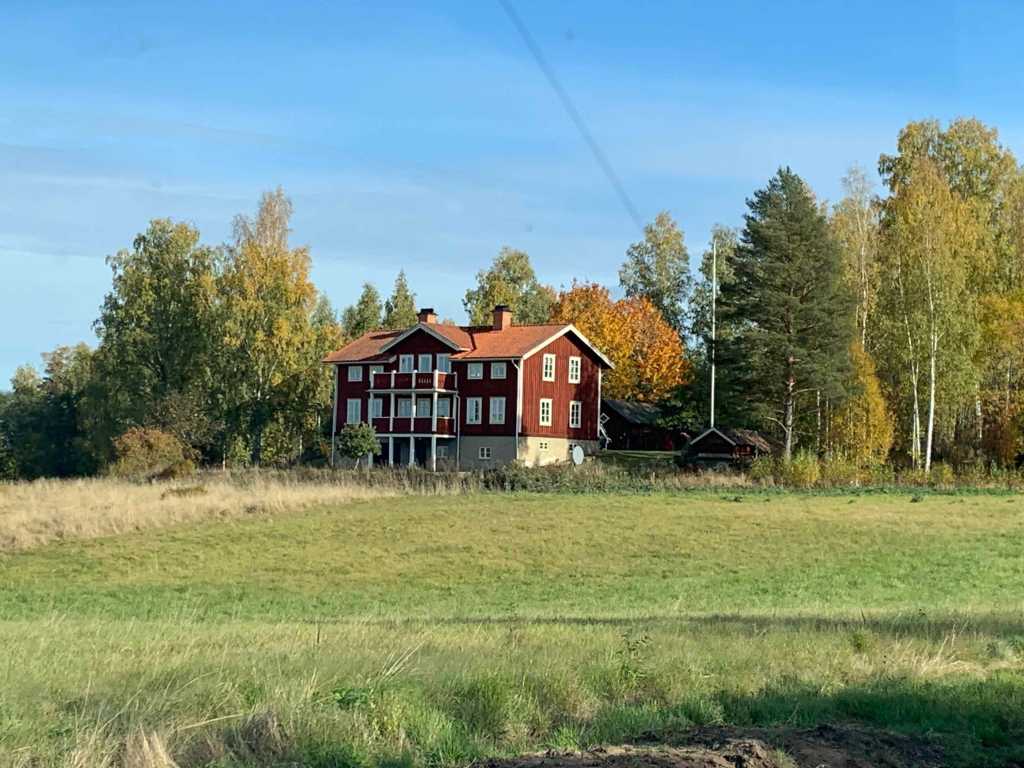
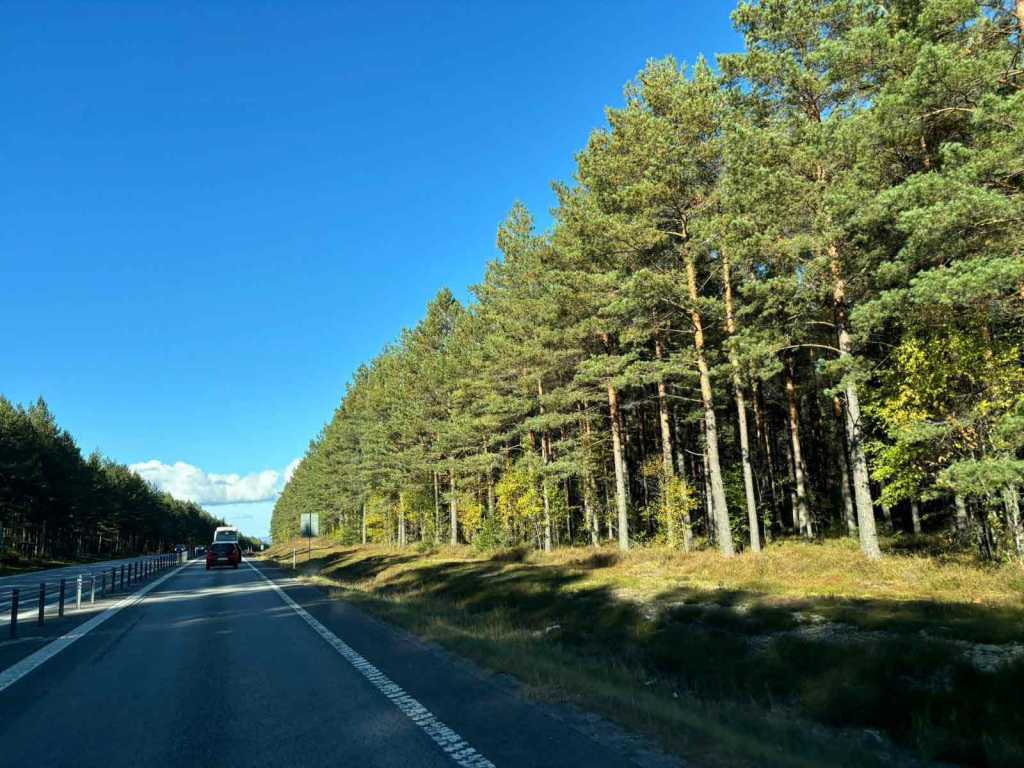
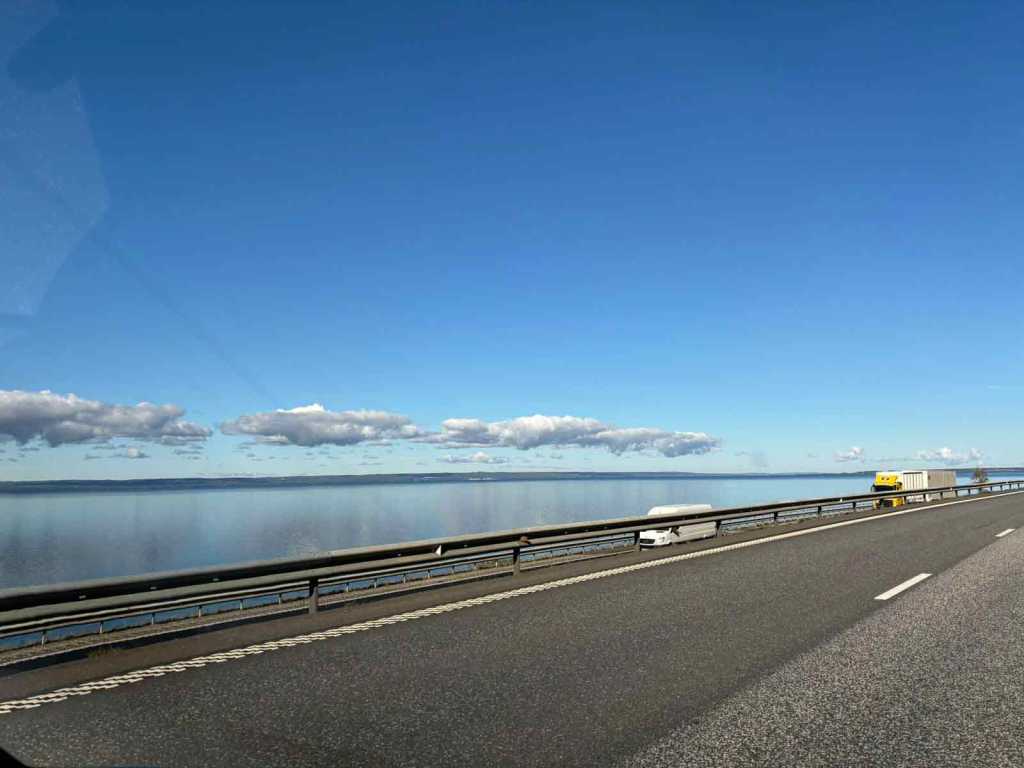
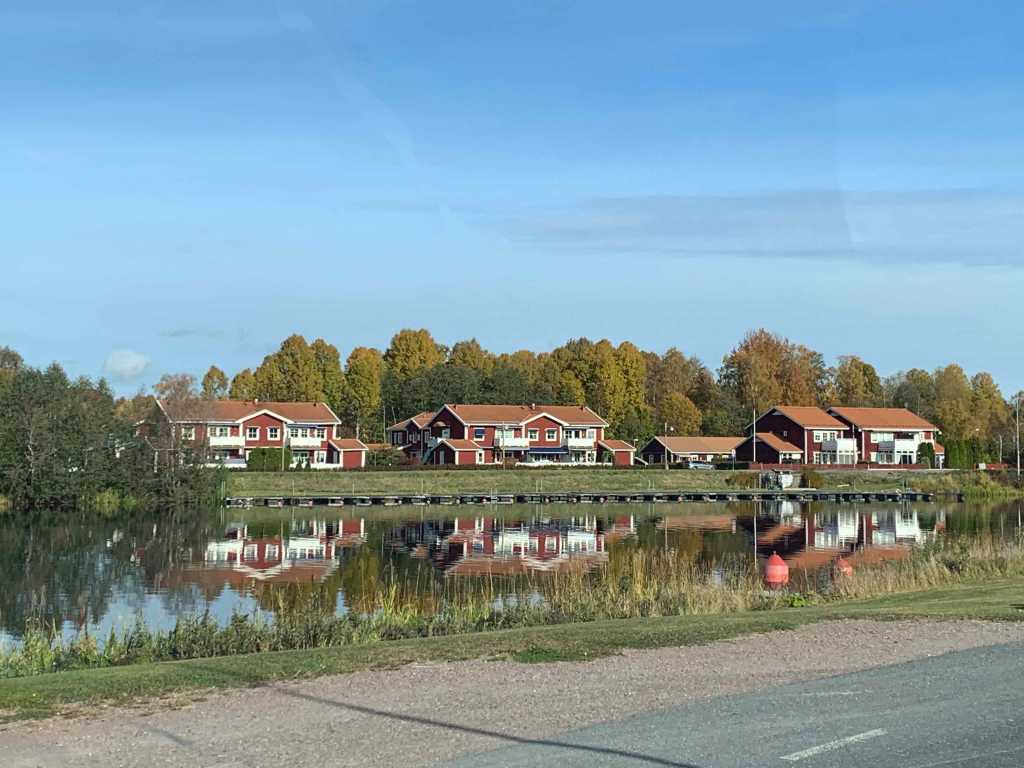
We set off early from Vellinge and were blessed with absolutely perfect weather. I immediately fell in love with the beautiful Swedish landscape, even though I could only admire it from the car, as we didn’t have much time for anything else. We’d been told that there’s often snow in the first week of October, but we experienced a golden autumn, with sunshine, hardly a cloud in the sky, and trees in every shade from yellow to red. On top of that, there was practically no traffic. Simply wonderful!
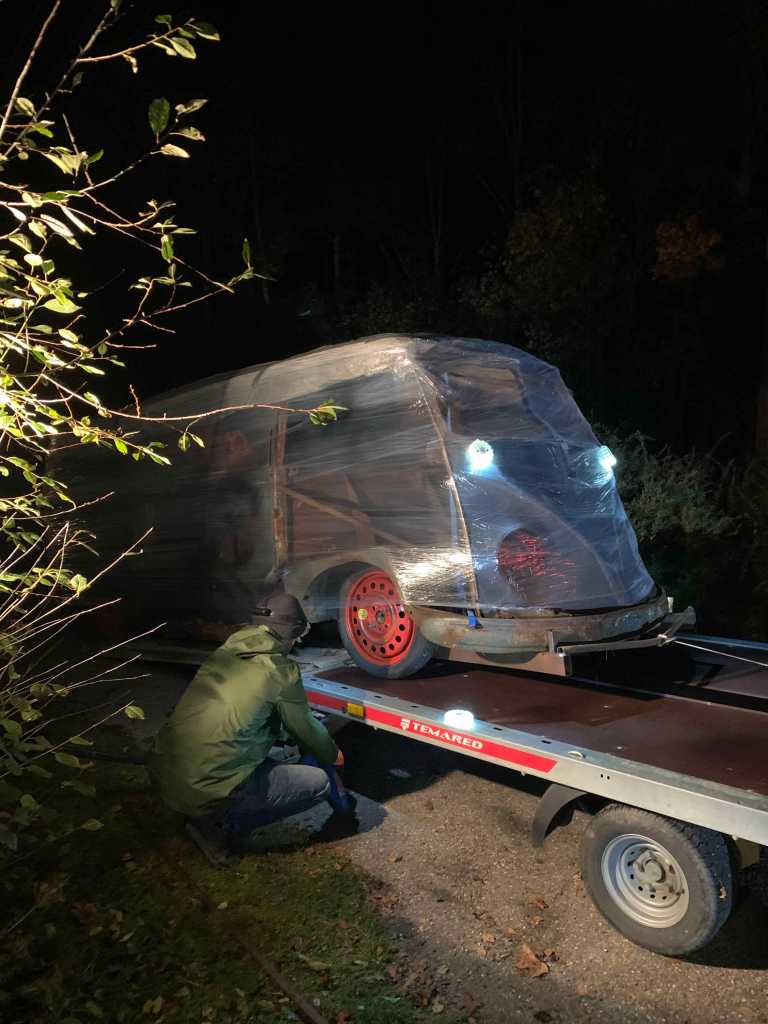
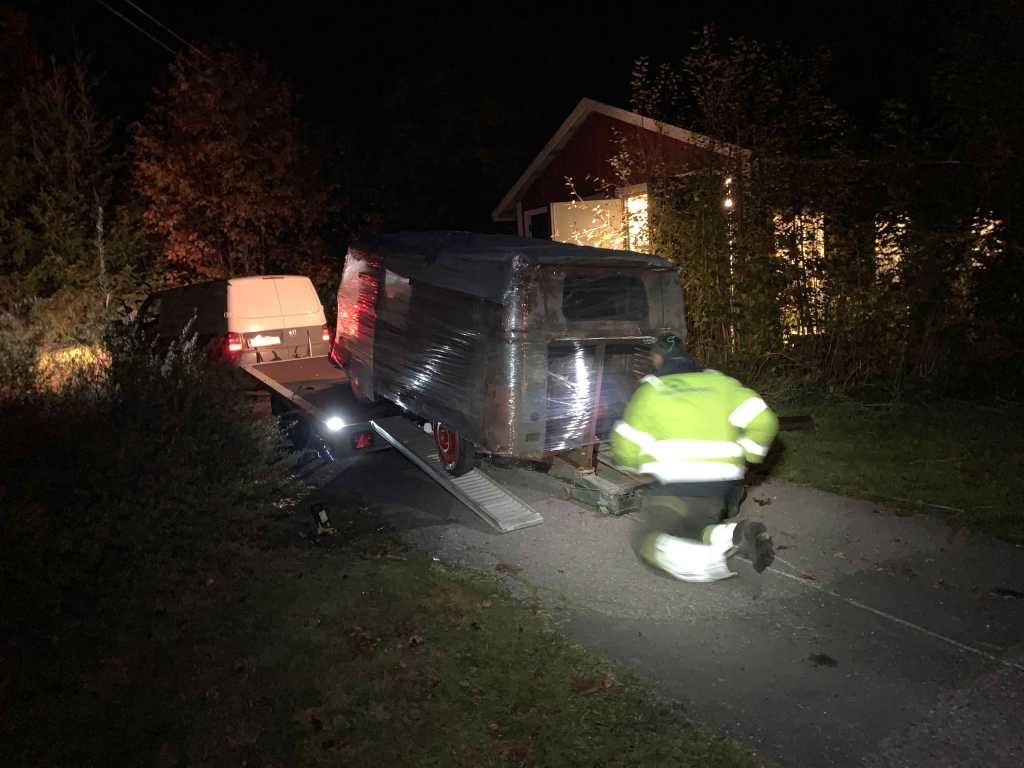
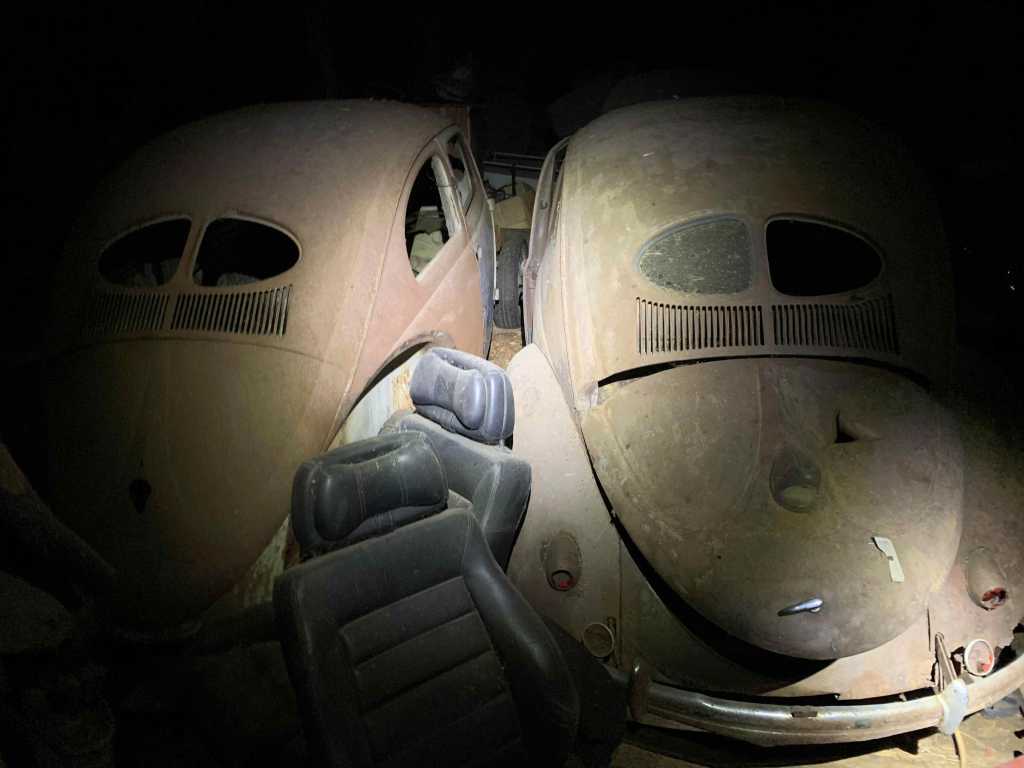
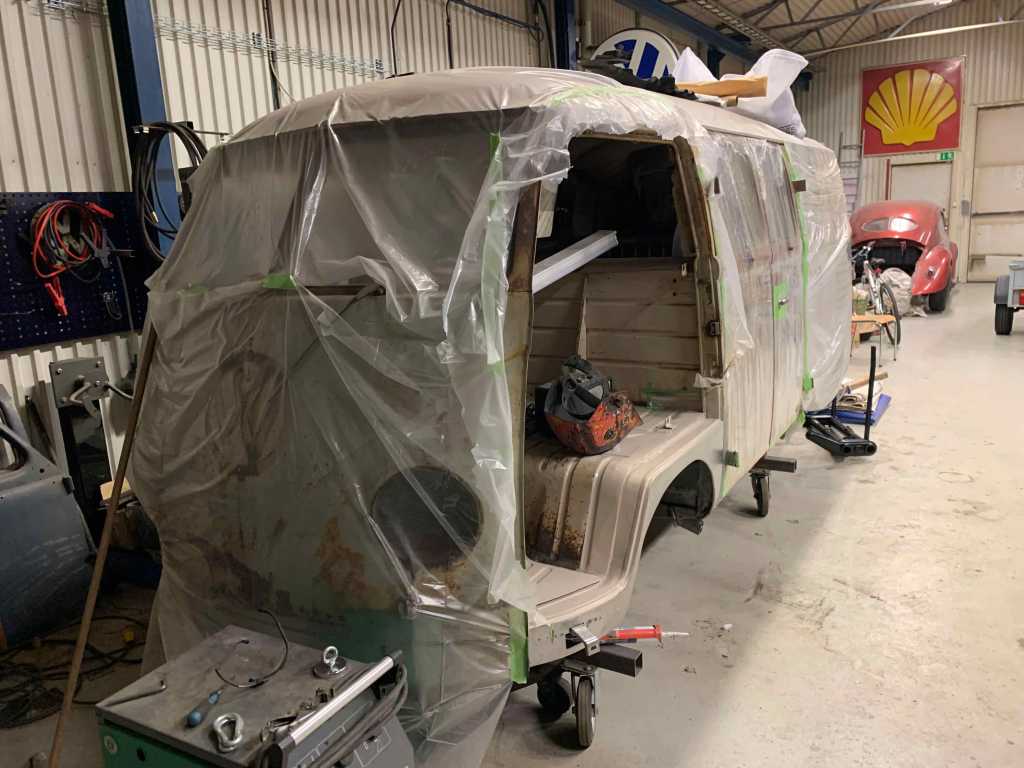
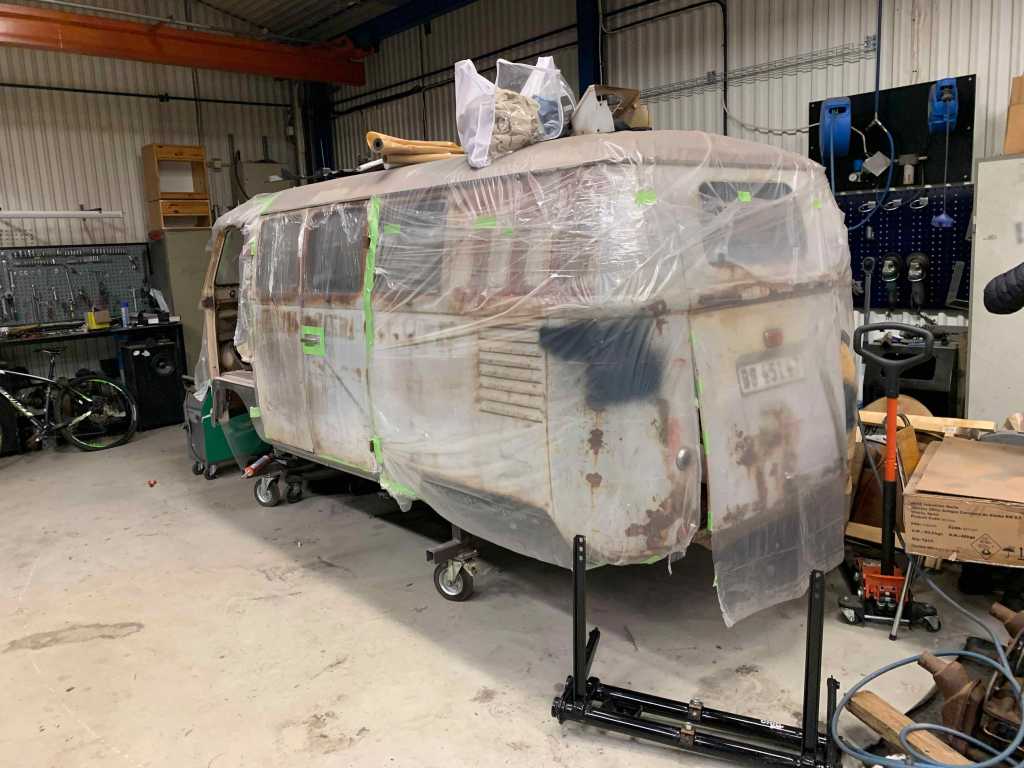
These photos were taken around 7:30 p.m. By then, we had already arrived in Gävle (about a two-hour drive north of Stockholm), where we picked up Fredrik’s „Forest Bus“ and loaded it onto the trailer. Afterward, he showed us his barn with two early Beetles, one from the 1950s and the other from 1951 – if I remember correctly. Unfortunately, there wasn’t enough room for them on our trailer. Maybe next time?!
Fredrik then showed us his Barndoor project in his community hall. Very impressive, and I hope we’ll see this T1 at a future meet somewhere in Europe.
Since it was already past midnight, we went to sleep in the T5 in front of the hall.
Saturday, October 5th – approx. 8:00 a.m. | Departure from Gävle
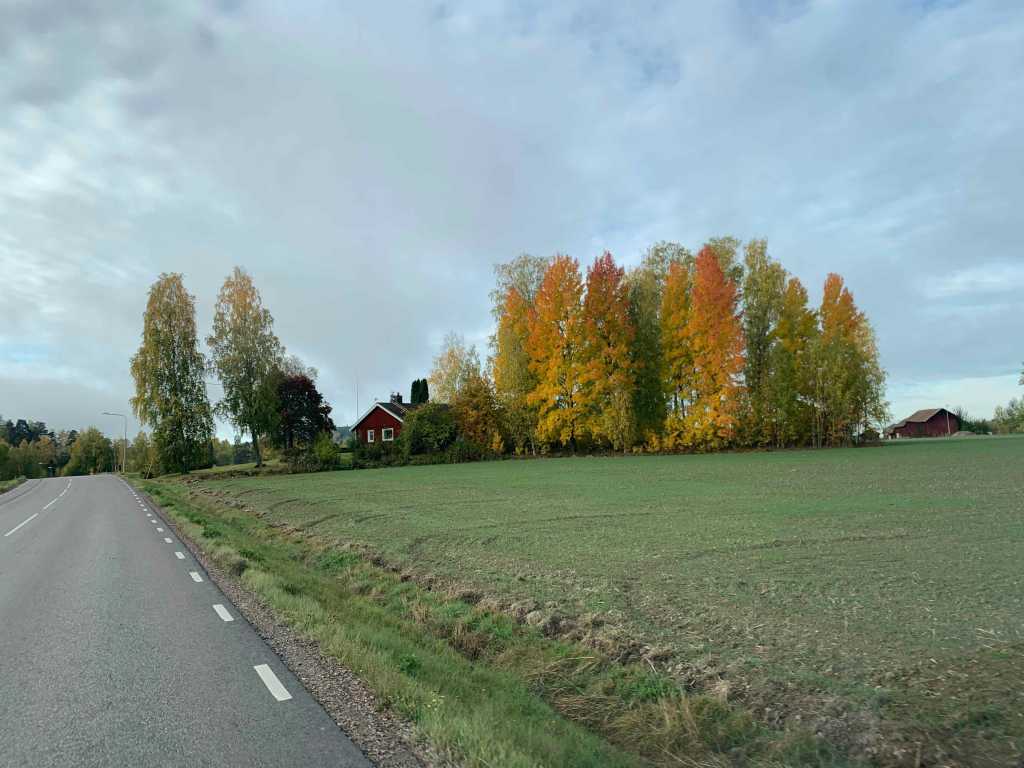
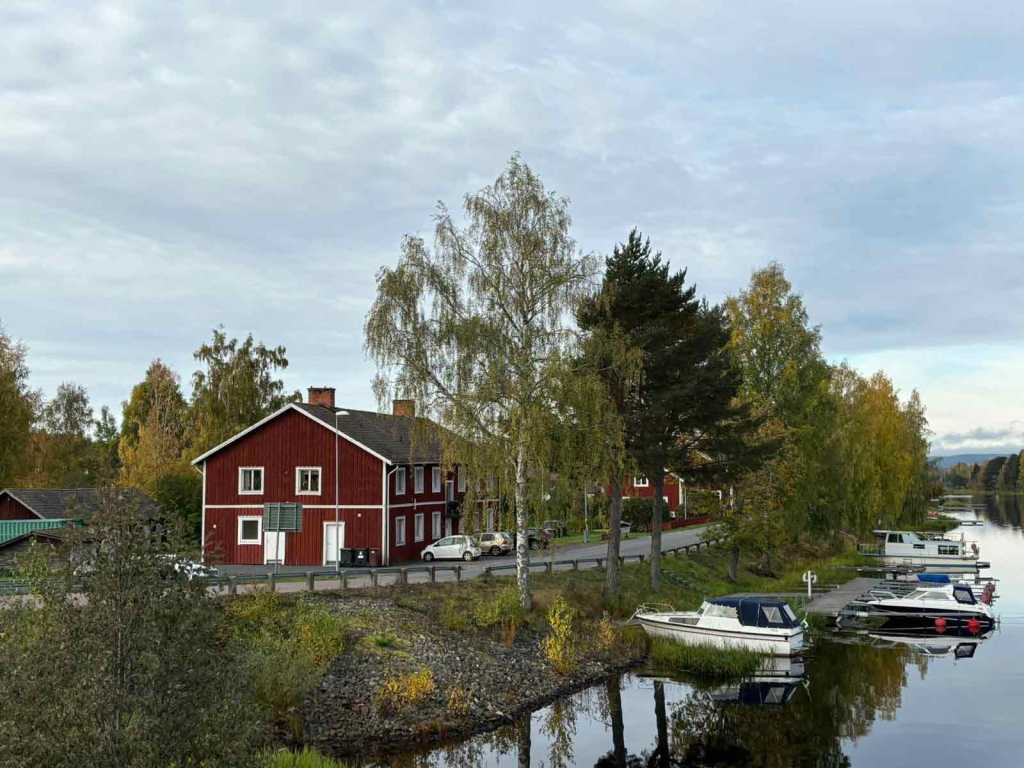
Even before our trip, we had arranged a meeting with other VW enthusiasts in Sweden. So we drove via Falun – the area with the typical red houses – on to Borlänge.
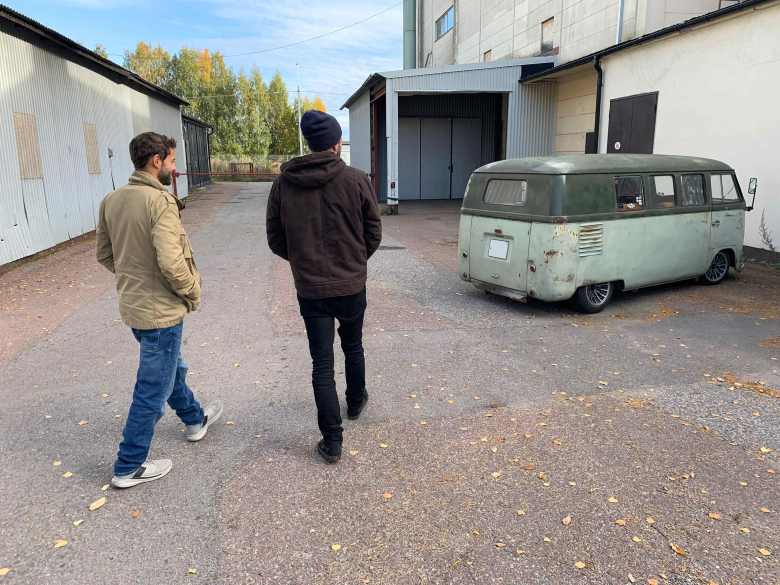
Arriving in Borlänge at 11 a.m., we were greeted by Demian and Göran, who gave us a tour of an impressive building.
Here, in the heart of Sweden, 25 like-minded enthusiasts—all passionate about air-cooled Volkswagen vehicles—have collectively rented a former factory building. Each person has their own open storage space in the hall, which can accommodate approximately three to four cars. We were more than impressed by the vehicles we saw. Among other things, I was able to view the oldest known VW T2. Out of respect for the owners, I won’t be posting any pictures here.
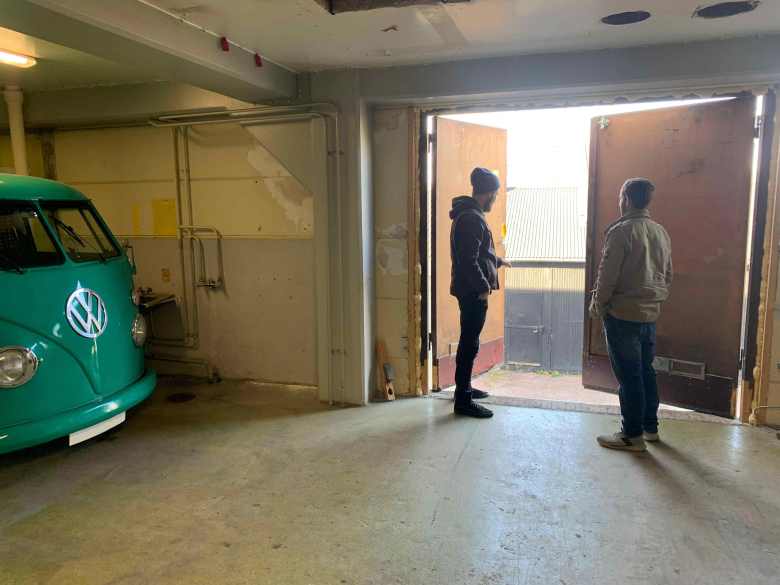
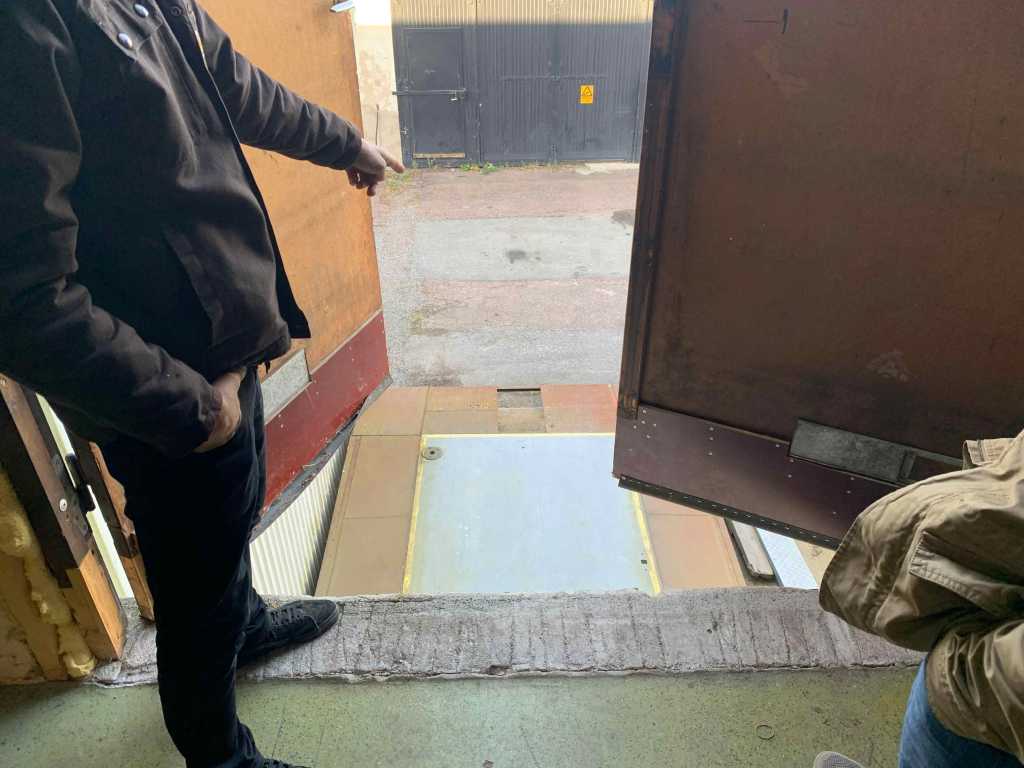
Since space became an issue on the ground floor, the tenants noticed a double door on an exterior wall on the first floor and asked the owner if they could use that floor as well – provided the building’s structure allowed it.
No sooner said than done, and a platform similar to a car lift was quickly arranged and installed outside, beneath the door. We’d heard about it before, but wanted to see it for ourselves, so we opened the door on the first floor and looked down. See the photos above.
Every summer, the roadworthy cars are lifted down from the first floor. Brilliant!
This car enthusiast community works together on classic VWs – supporting each other with restorations and going on drives together. A fantastic concept. We were especially impressed that something like this exists in the heart of Sweden – and that, for example, in the metropolis of Vienna, we don’t even have a VW scene for classic Beetles and buses. We had only ever known something similar from the Oldtimerparadies Boimstorf, about a 25-minute drive south of Wolfsburg, where a group of VW classic car enthusiasts live together with their cars in a restored farmhouse.
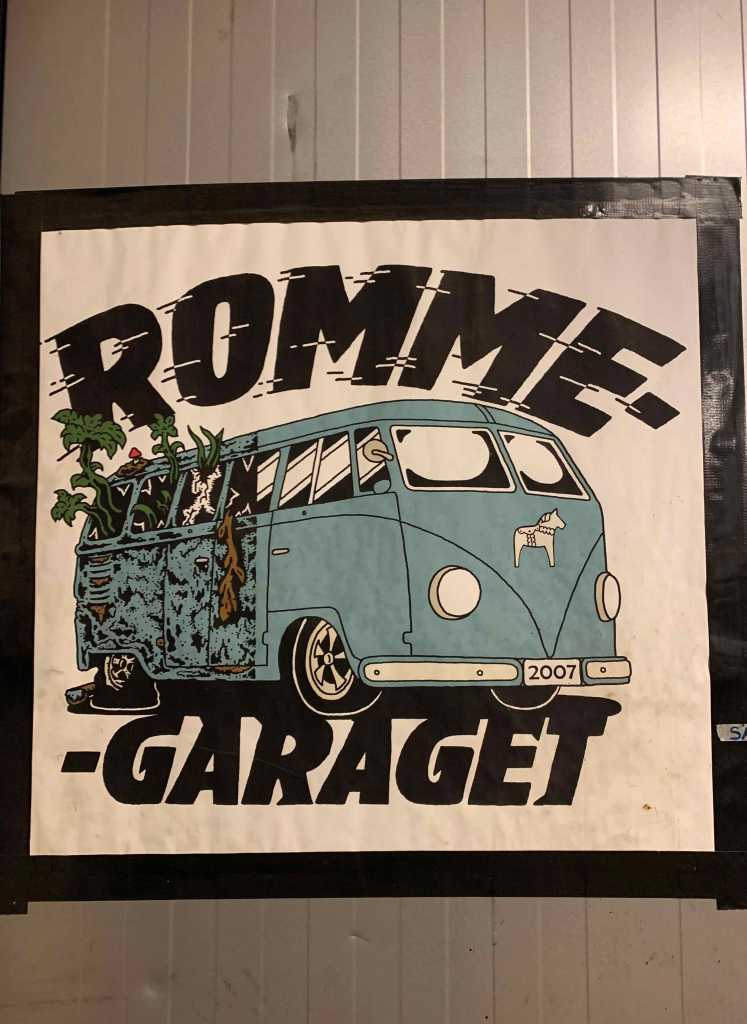
Afterwards, Demian showed us his own barn, where he had stored even more cars. Lots of so-called „skogsvrak“ – pronounced (skogen = forest; vrak = wreck) – because cars were often dumped in the woods in Sweden back then, as there were hardly any junkyards. That’s why he also had some very interesting wall decorations hanging in the barn.
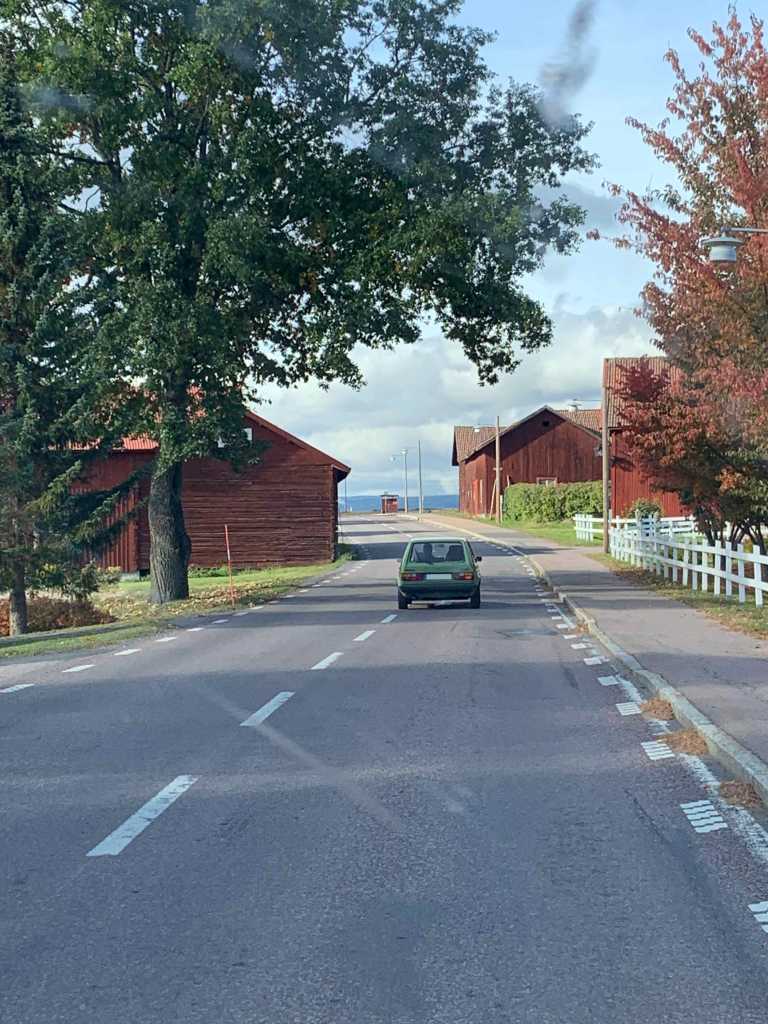
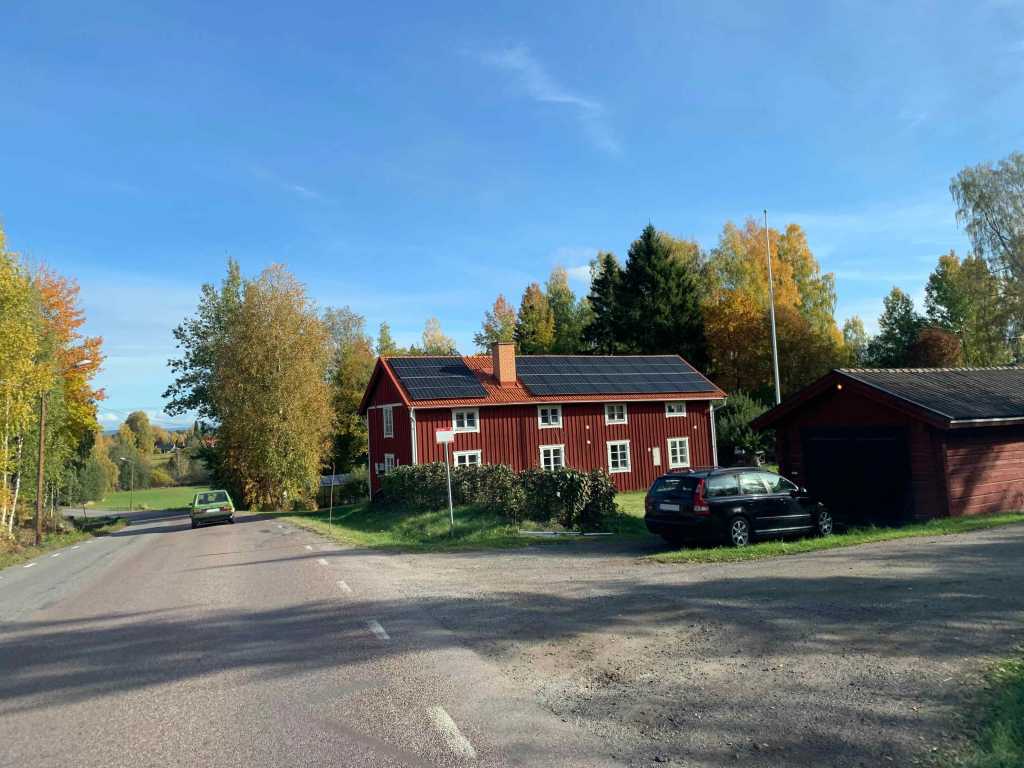
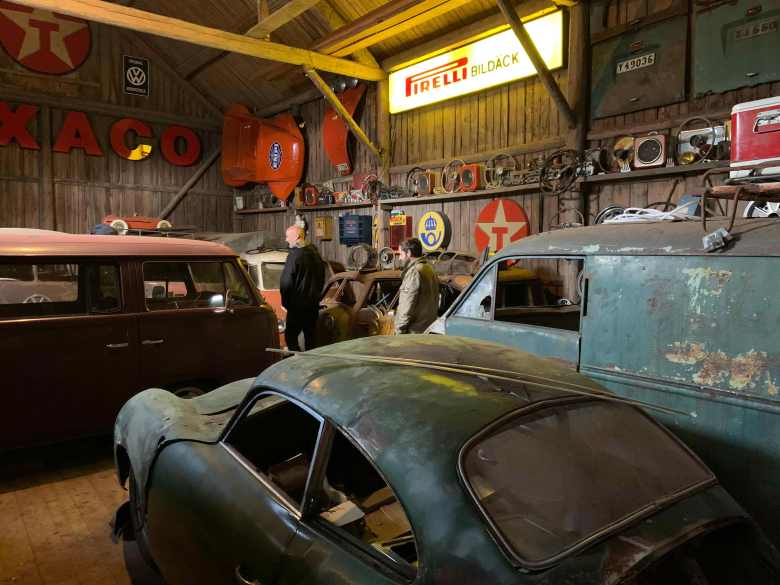
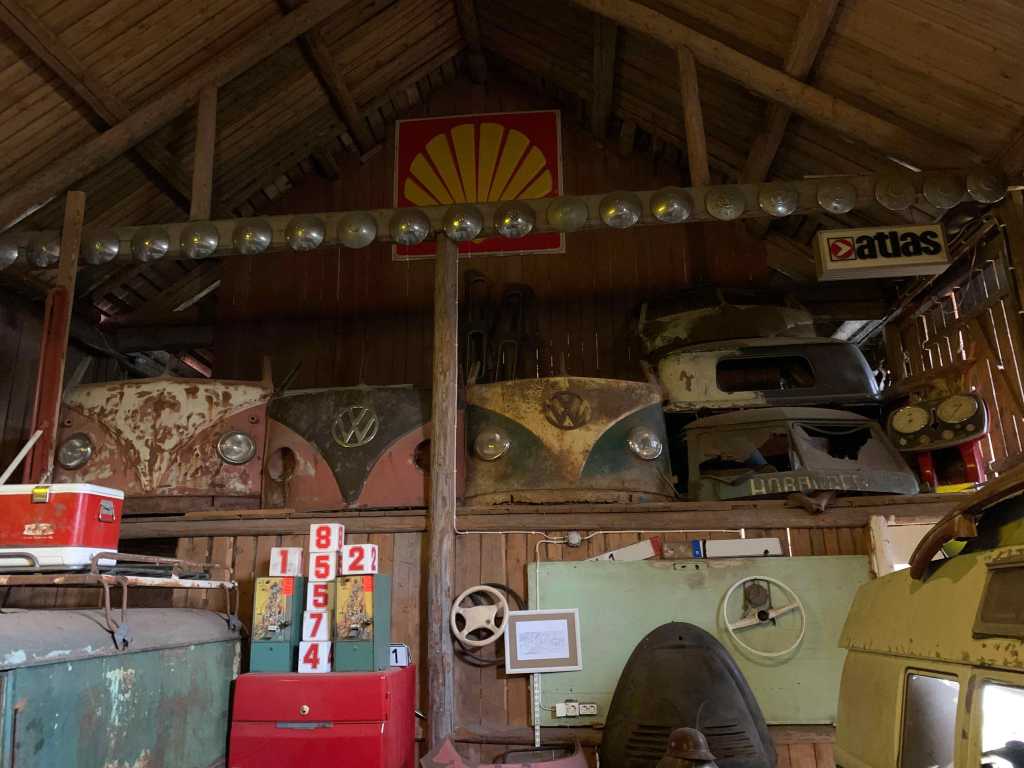
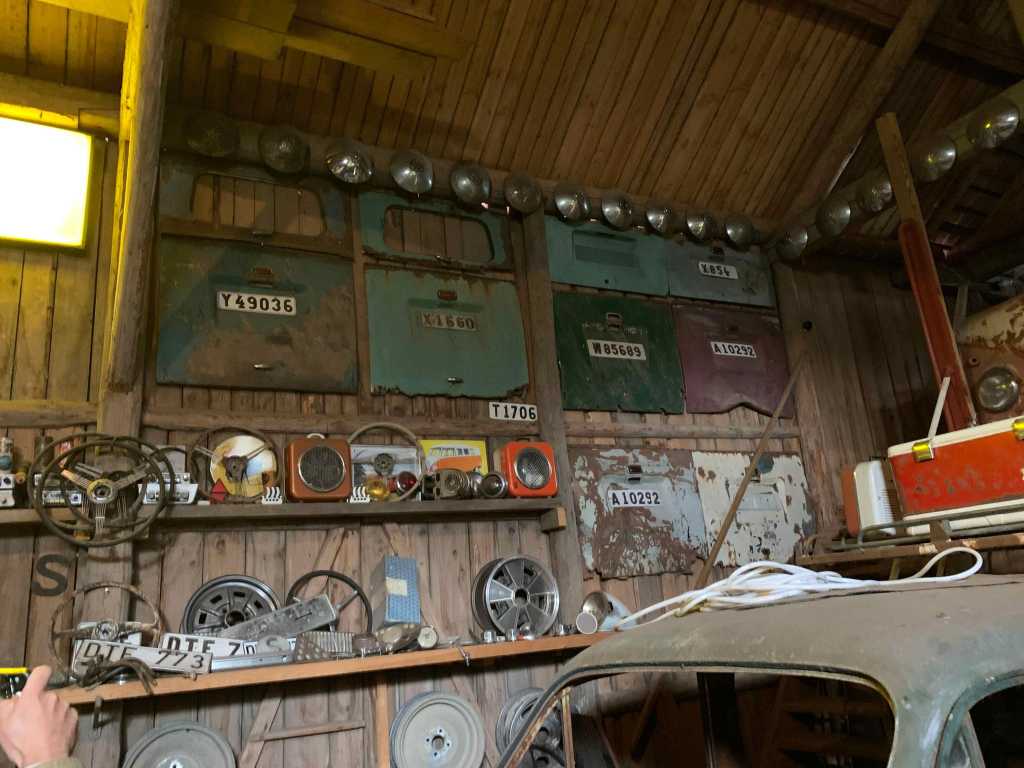
Around 1 p.m., we thanked Demian and Göran and then set off again on our journey home, heading south. About 10 hours and roughly 680 km later, we arrived back at the „Stanhems“ campsite in Vellinge, in southern Sweden.
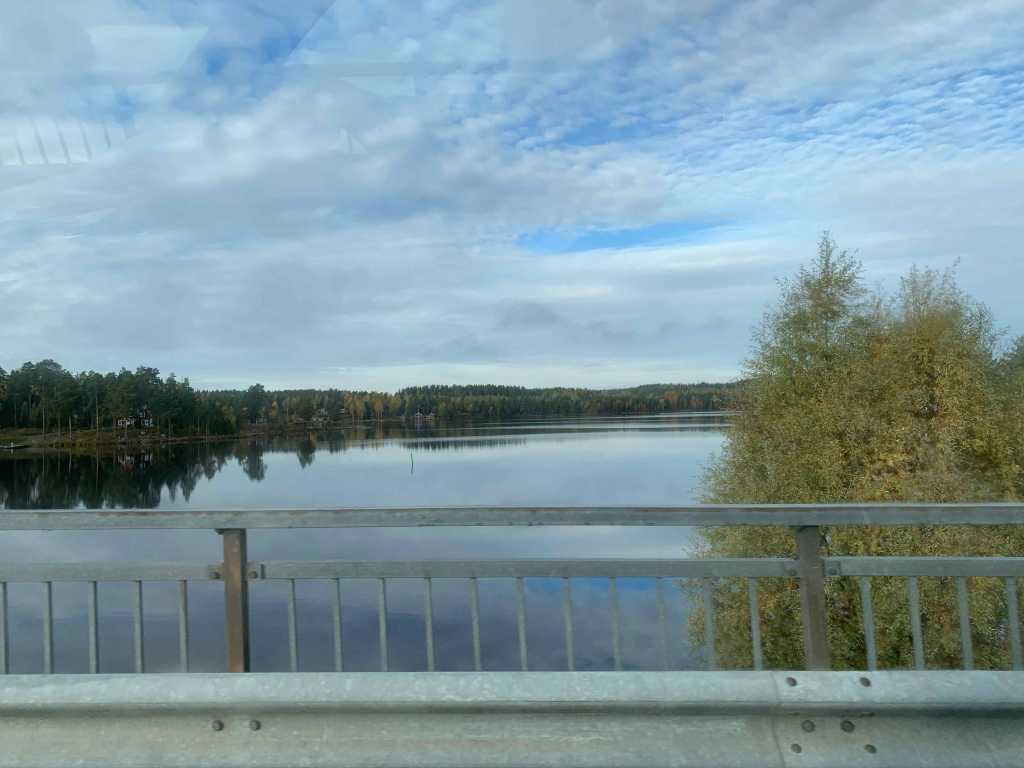
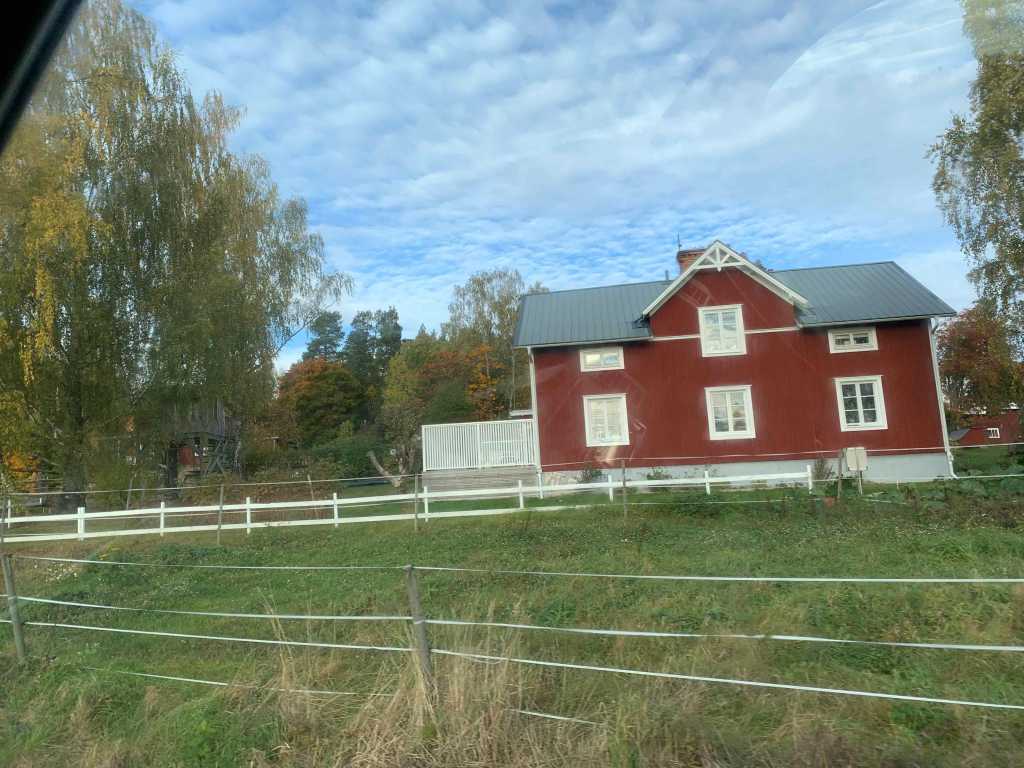
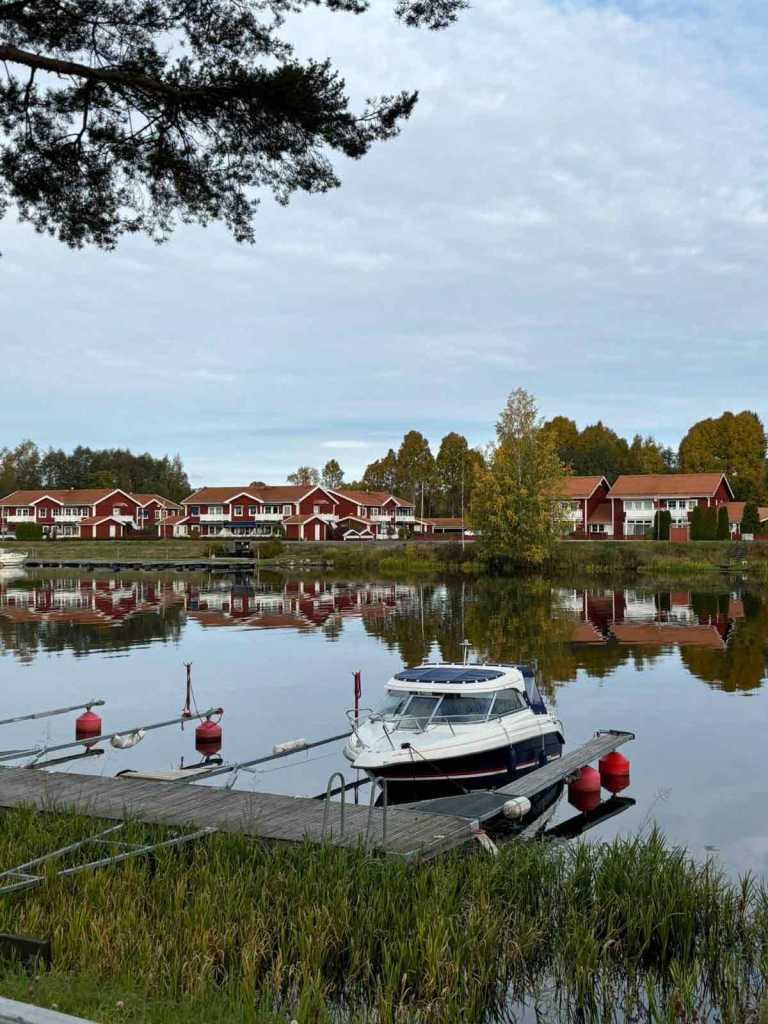
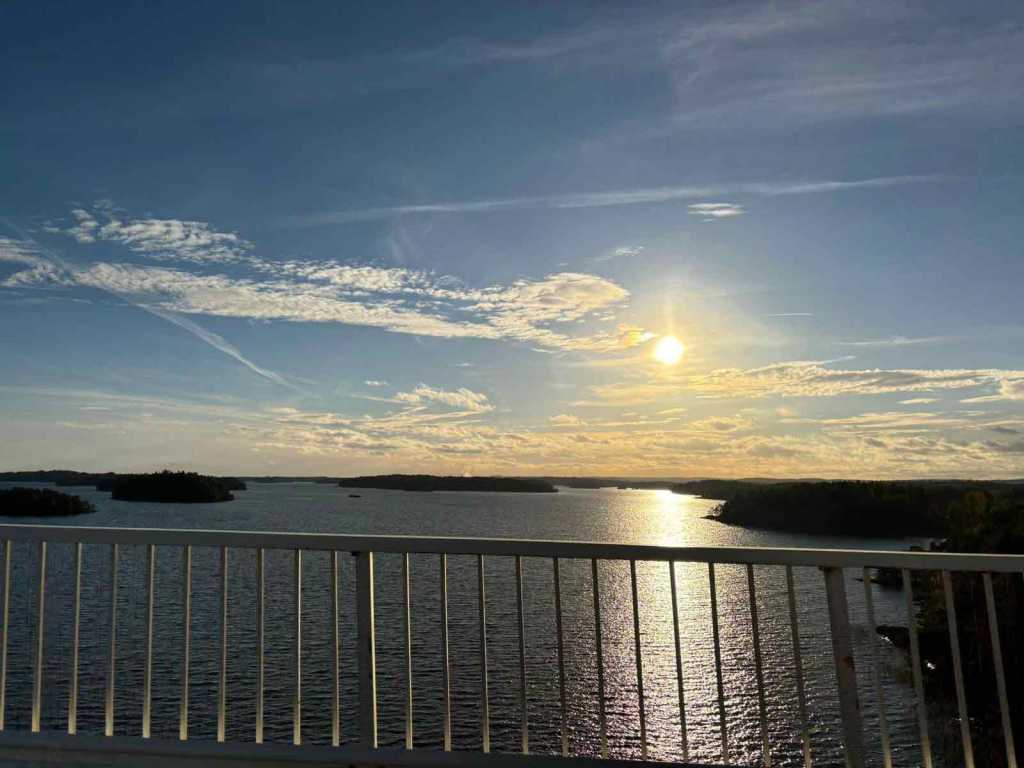
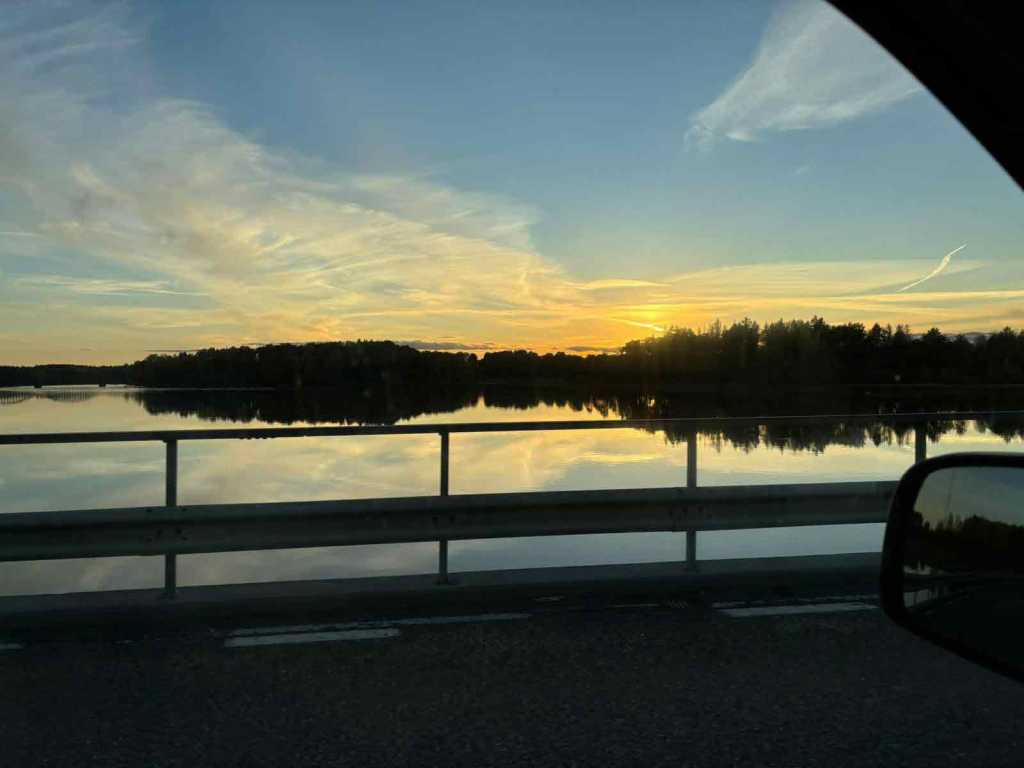
Here are a few quick photos – taken from the car – of beautiful Sweden.
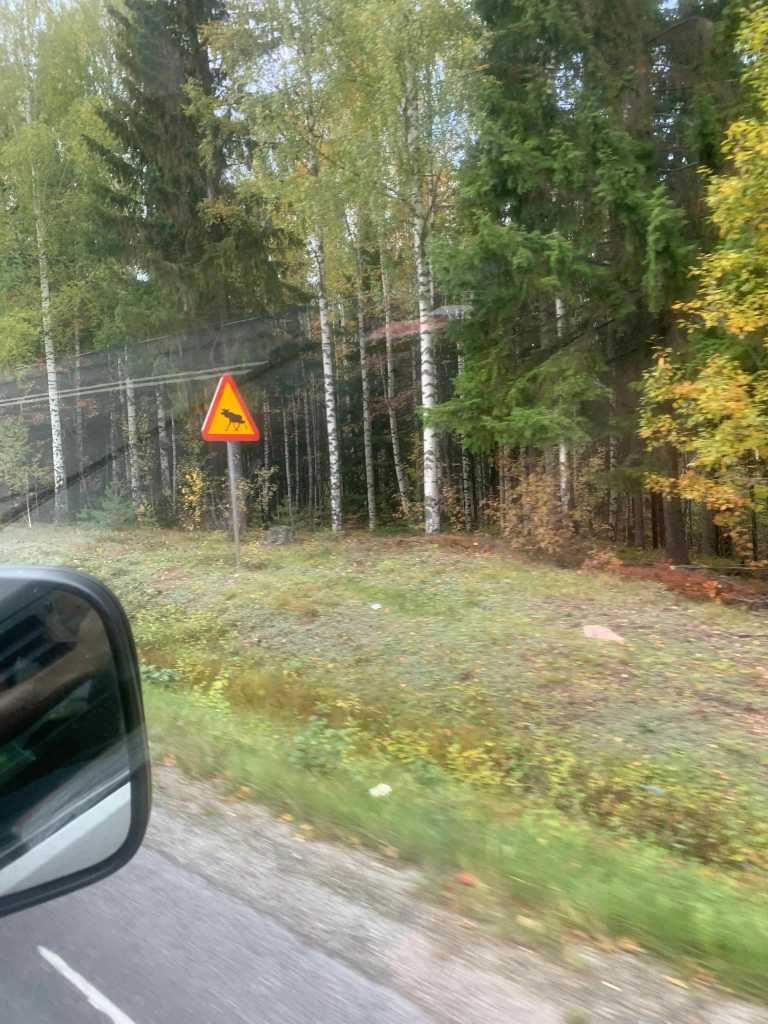
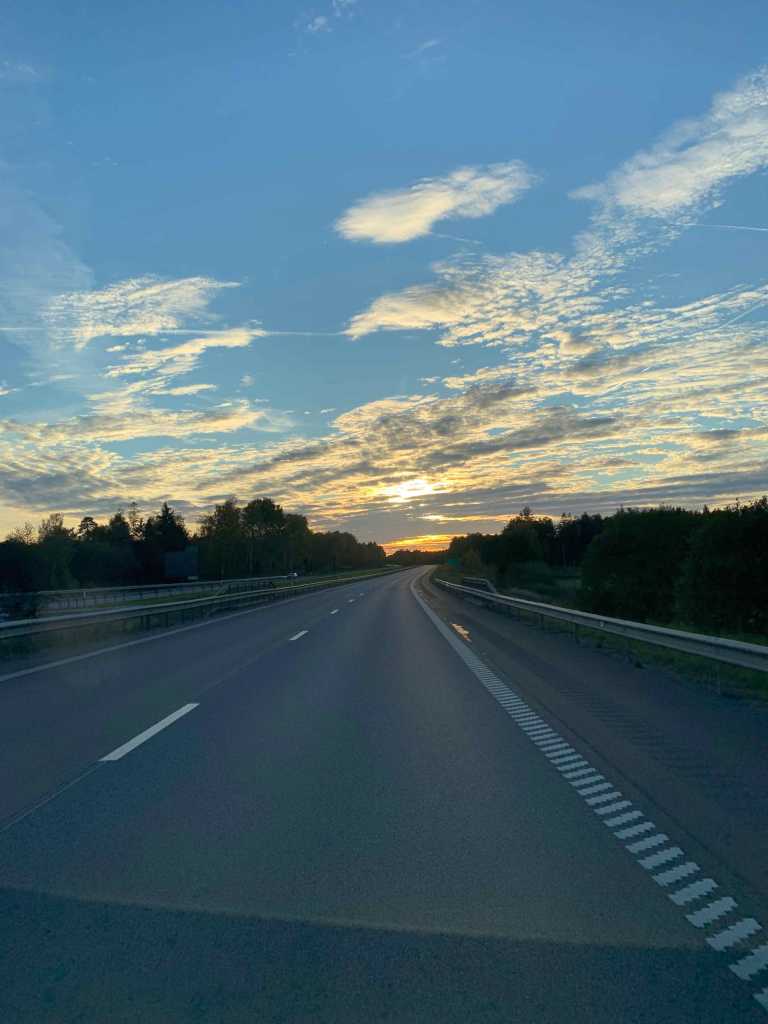
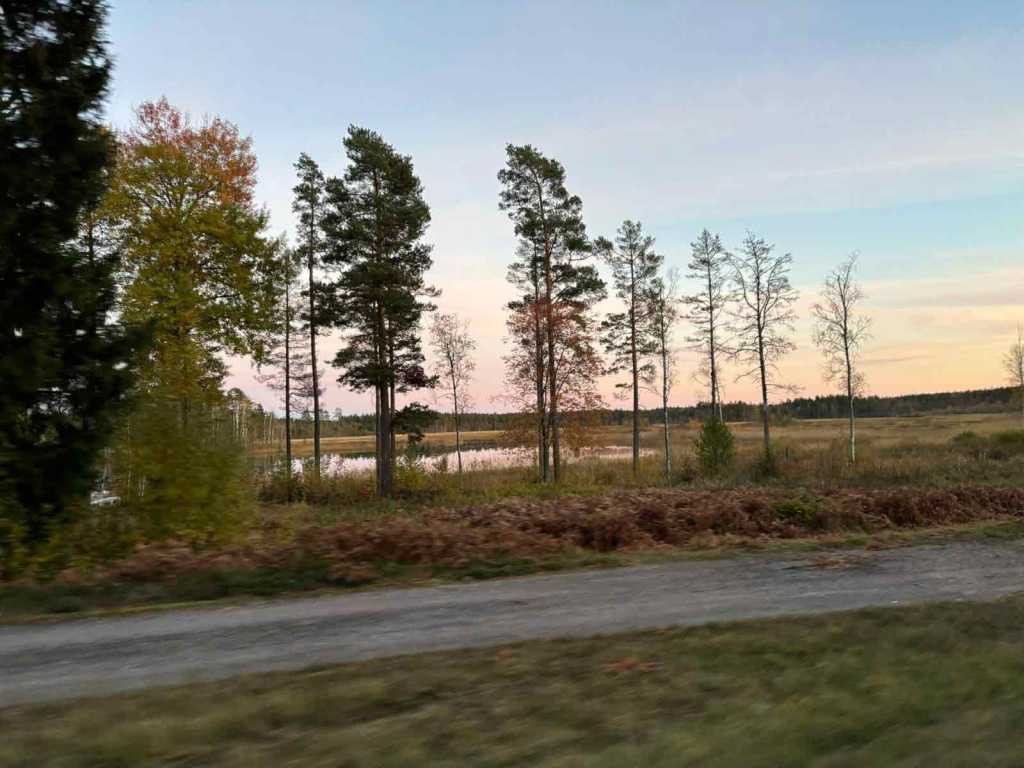
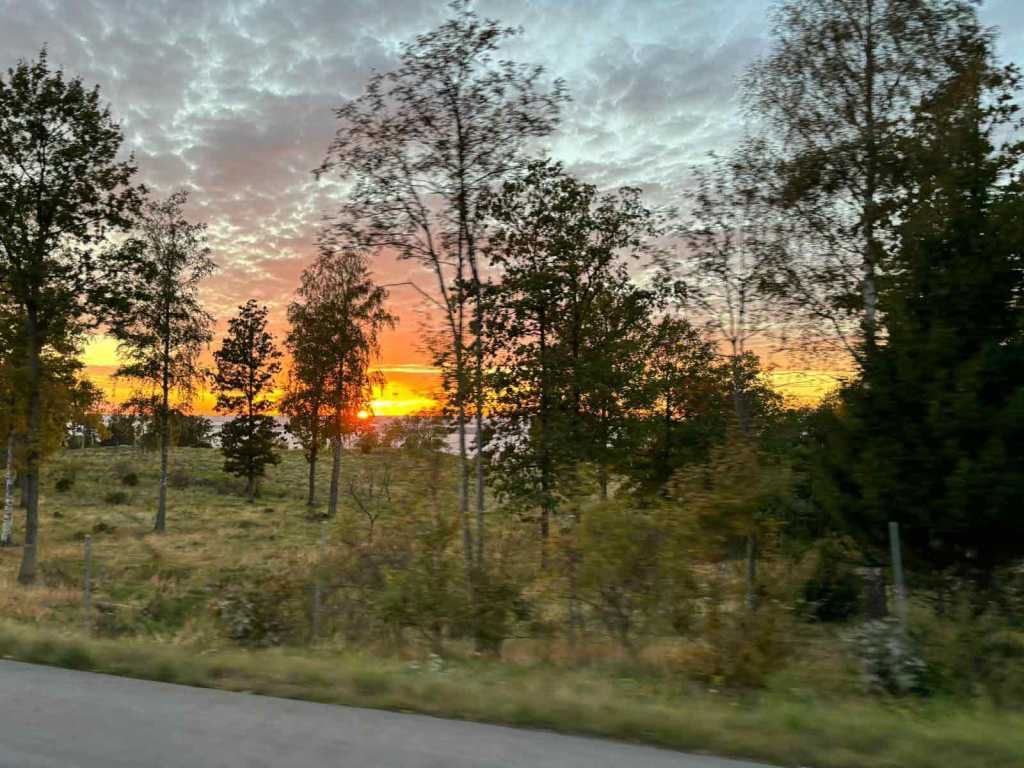
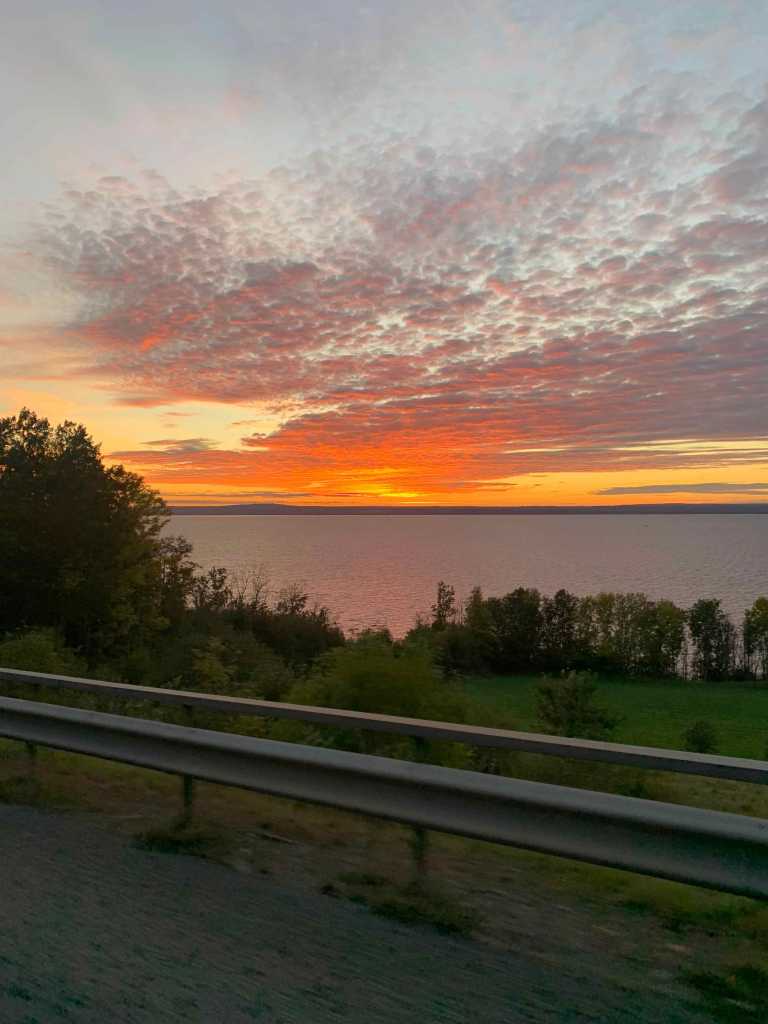
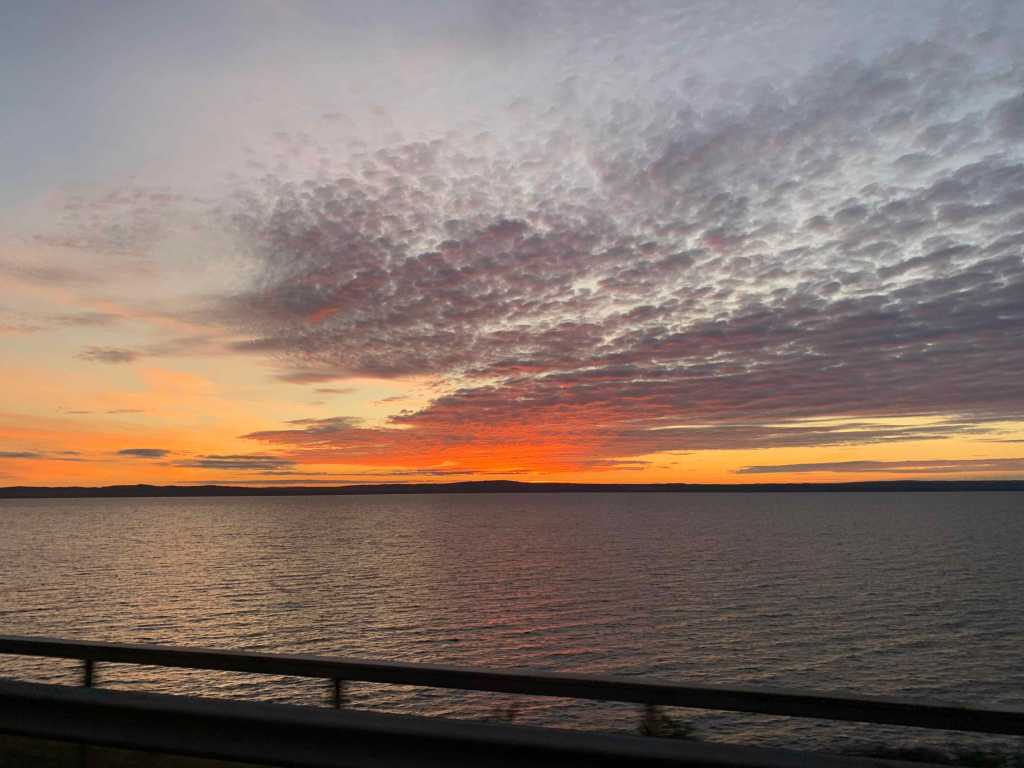
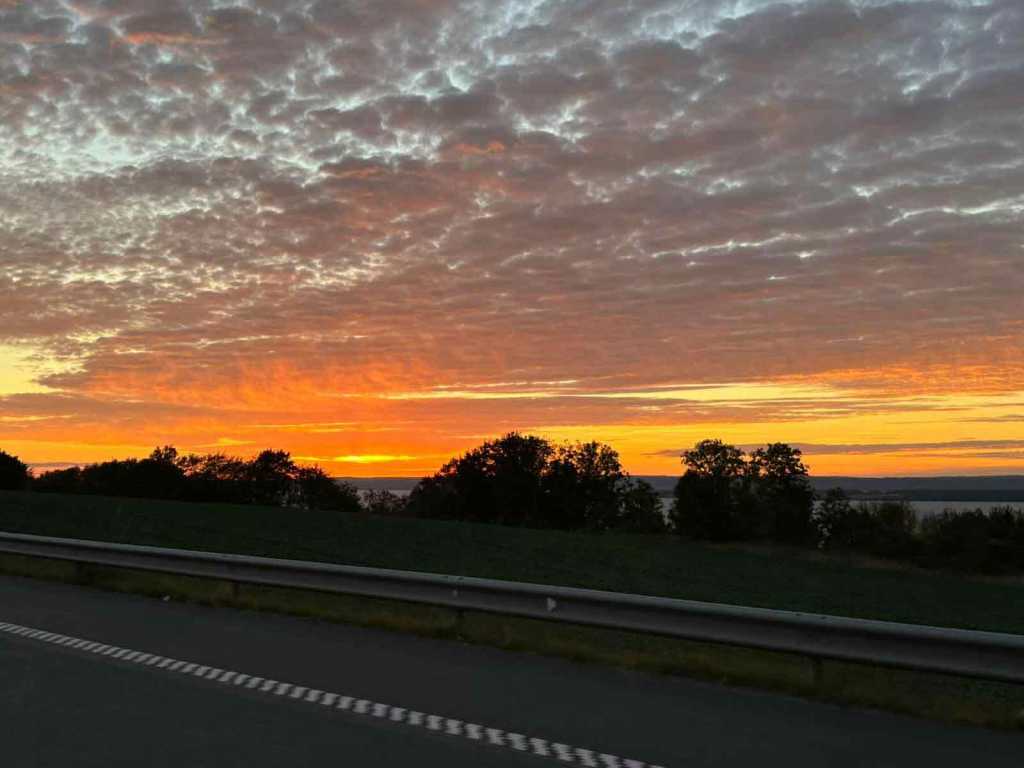
Sunday, October 6th – approx. 10:00 AM | Departure from Vellinge
Well-rested and after a hearty breakfast of scrambled eggs, the campsite owner, Matthias, approached us and told us that he used to own a VW Beetle. Now, however, he and his friends have taken up a different hobby: tractor pulling. He showed us this 2,500-horsepower behemoth in the adjacent hall. He and his friends work on it, then load the racing tractor into a specially converted, fully equipped truck – resembling a small hotel – and travel to tractor pulling events all over Europe. They’ve even been to Carinthia. After about 10 seconds of running, the engine is shot and has to be rebuilt. Incredible! Or Crazy? But I suspect he thought the same thing when he saw the wreck on our trailer…
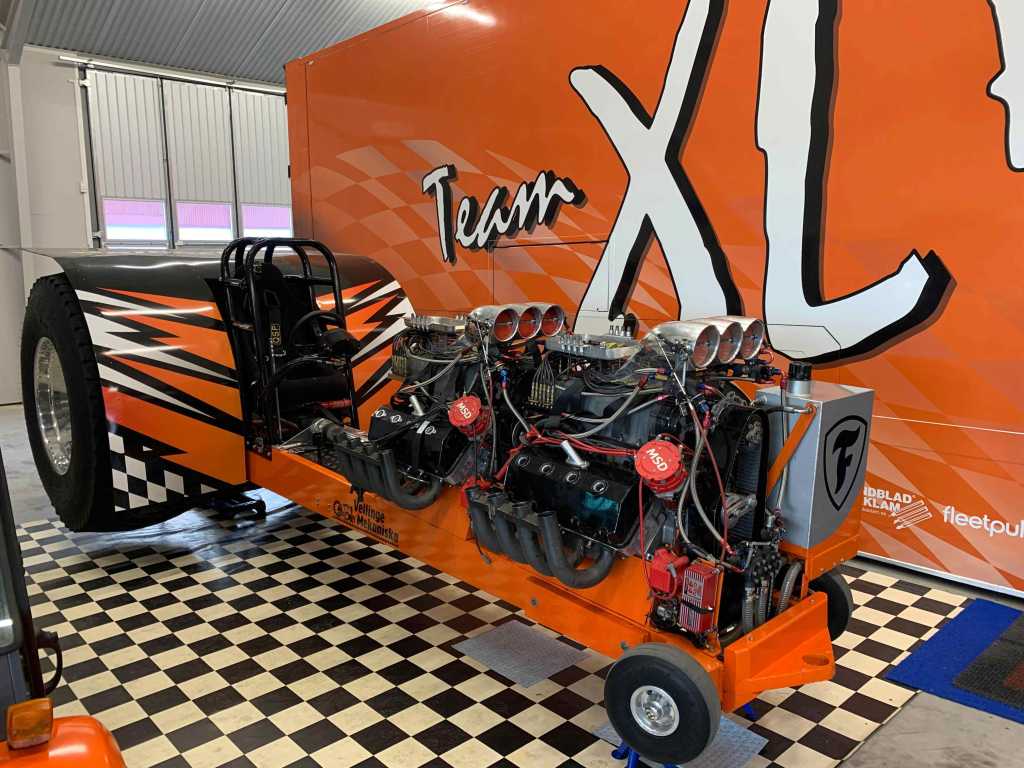
After this further, extremely impressive tour, we relaxed again for the last mini-stage to Trelleborg.
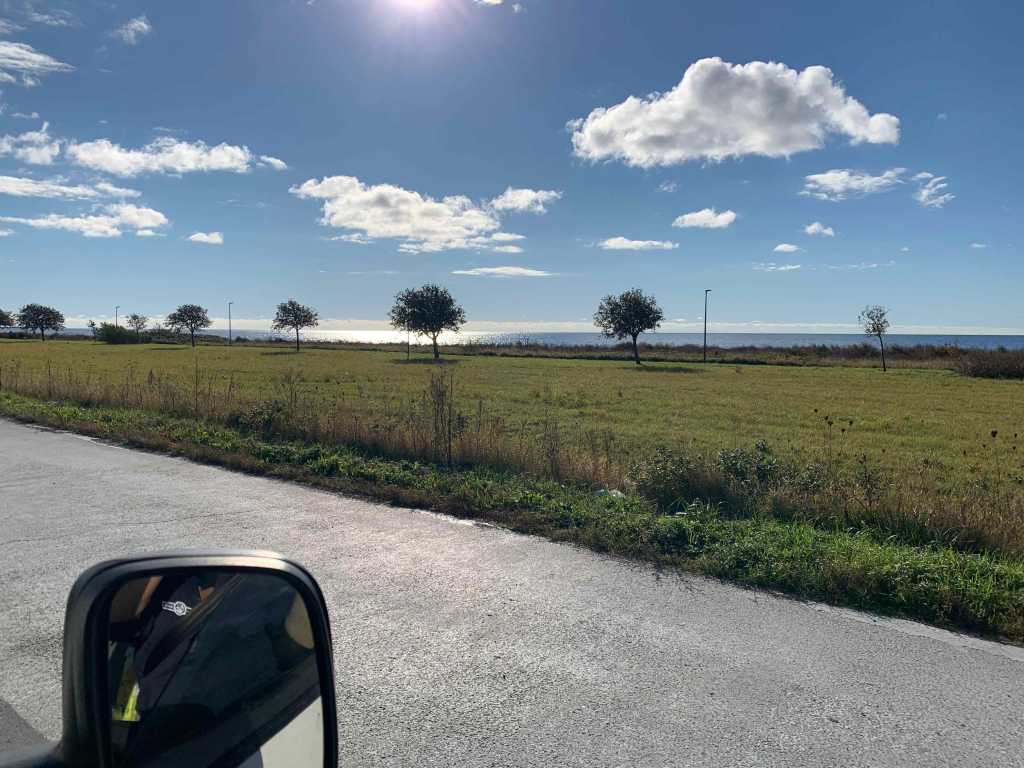
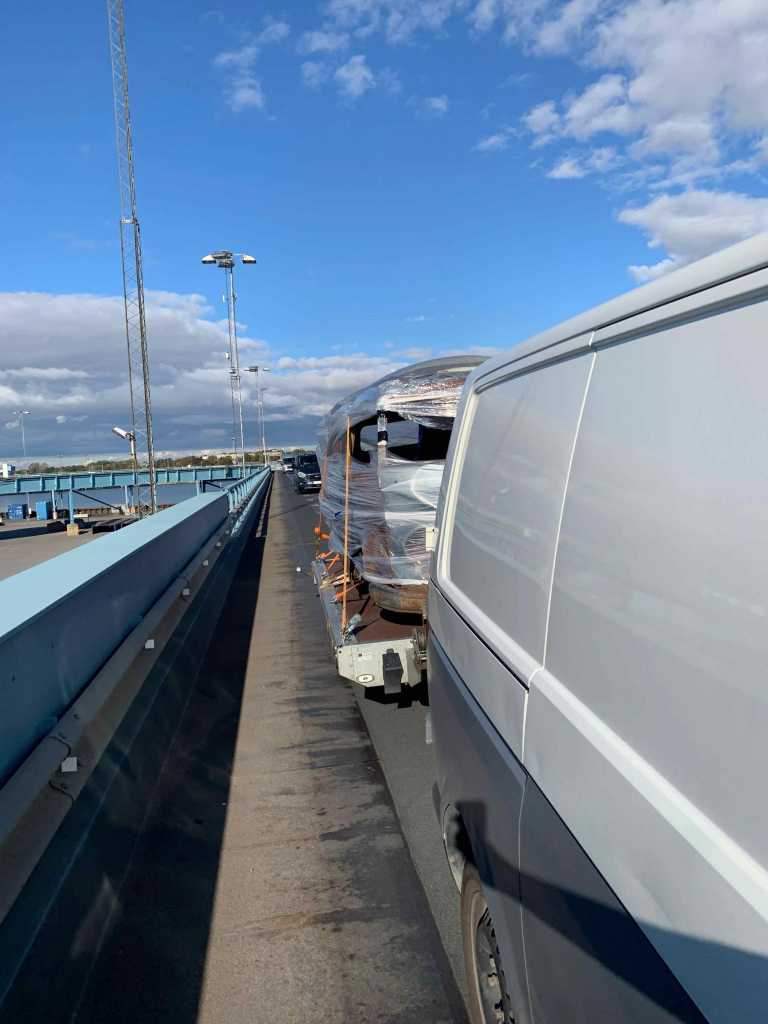
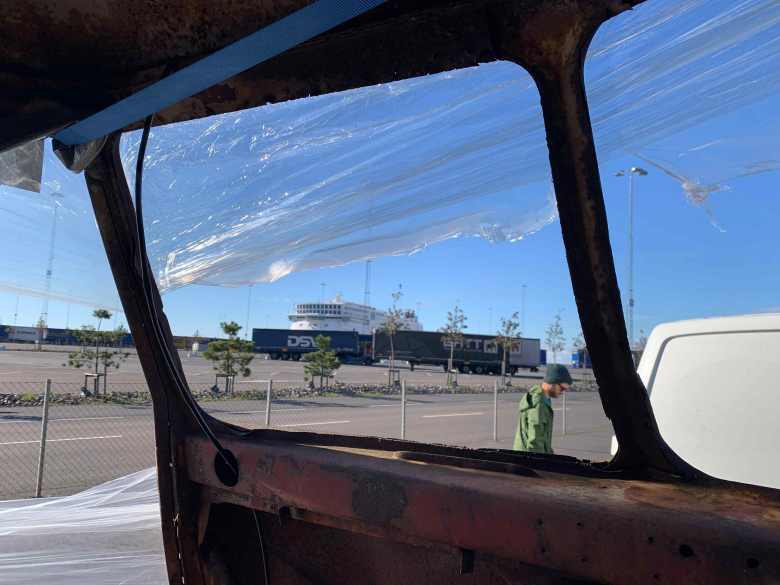
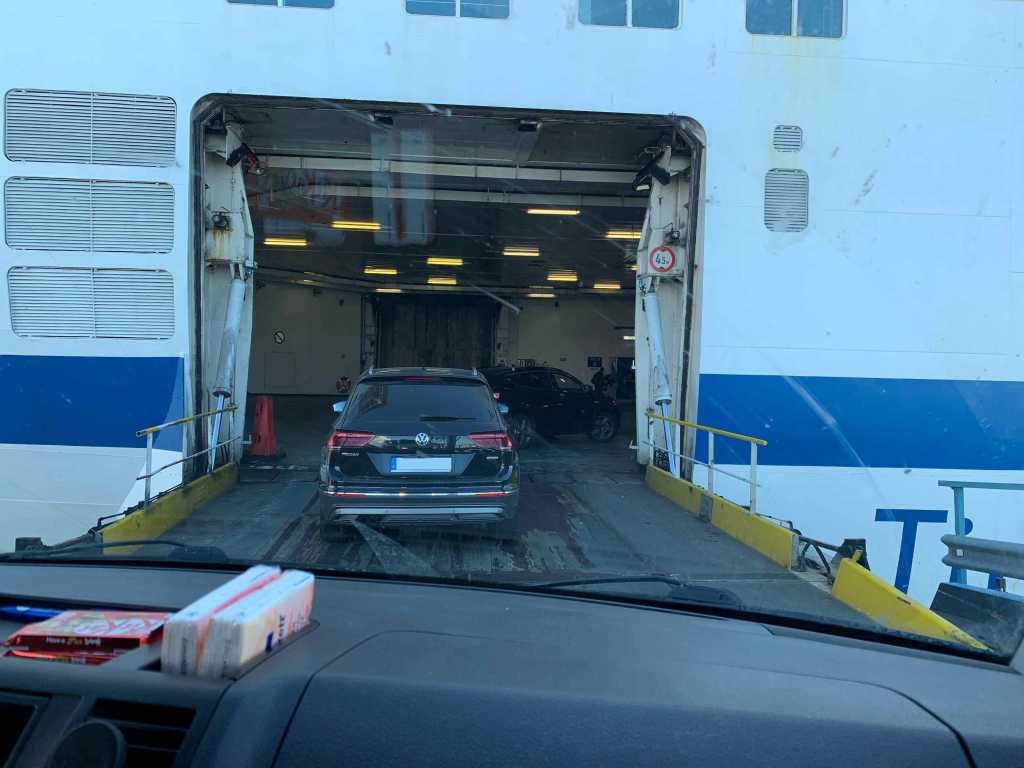
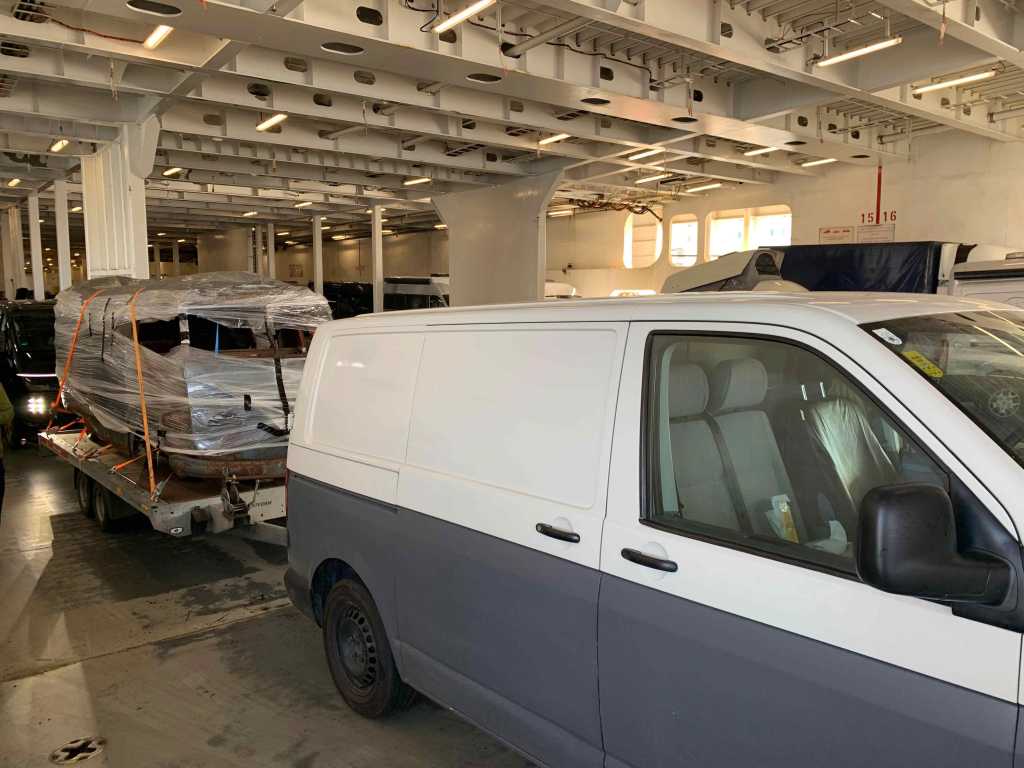
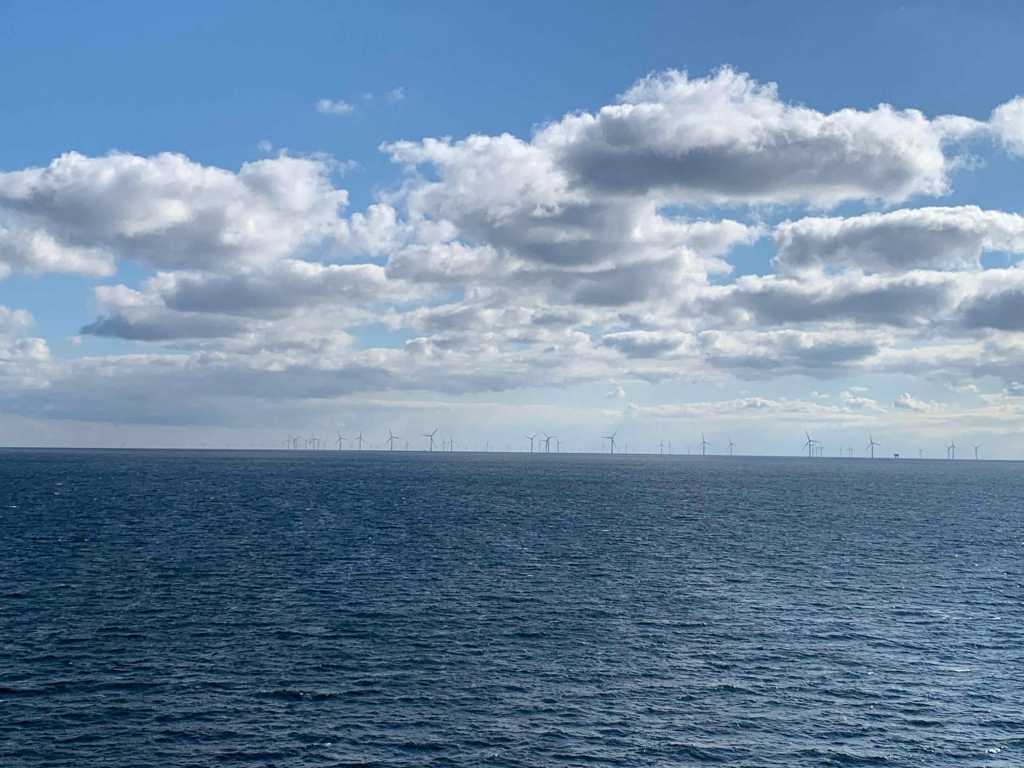
At 11:30, we boarded the ferry and then headed back to Rostock. Naturally, the cargo on the trailer was the main topic of conversation both in the port and on the ferry. We used the time to catch up on some sleep. This time the sea was a bit rougher, and so we arrived back in Rostock in northern Germany at 7:00 PM and immediately continued our journey home.
Monday, October 7th – approx. 10:00 AM | Arrival back in Lower Austria
After one last, strenuous overnight leg covering a total of 875 km, we were finally back at the starting point of our trip. Now we just had to unload the bus, which proved to be the final challenge. But we managed that too. The photo below shows a few more details of the roof of the barndoor bus – with fantastic colors that strongly remind me of the incredible sunsets in Sweden. Once everything was done, we headed home.
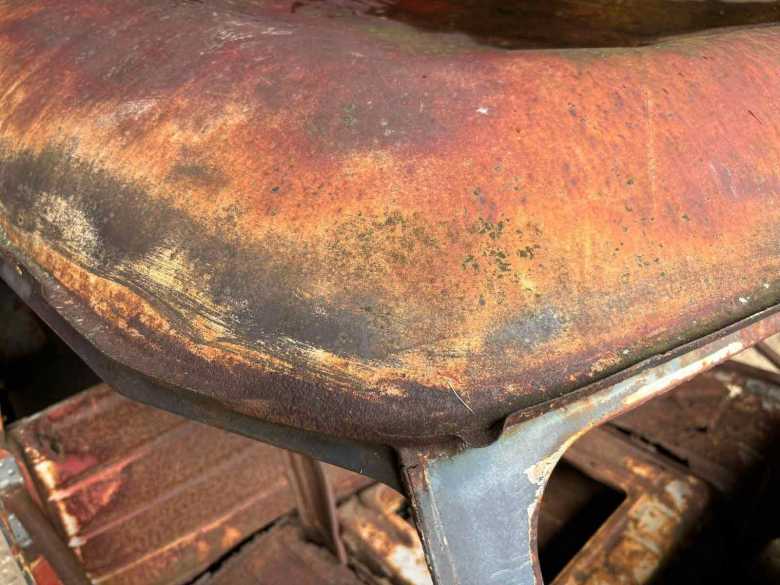
Overall, it was a very strenuous trip, with many kilometers covered – based on the routes described above alone, I could trace the total to 3,676 kilometers (2 x 150 km of which were on the ferry). However, this figure doesn’t include the few extra detours we sometimes made to visit people and their workshops a little outside of town.
The whole thing took exactly 108 hours, or precisely 4.5 days. Caffeine and sugar make it possible! 😉
And the craziest thing about it: I would do it again! Even though I only saw most of Sweden in passing, I’m absolutely thrilled.
And by the way: the very next day, we saw that it had already snowed a few hours further north of where we were in Sweden! Lucky us! 🙂
Many thanks to Bernhard, Fredrik, Demian & Göran
Make sure to follow air.cool.ed on Facebook, Instagram and Youtube.
If some new info about this bus might show up, then it for sure would be there.
